Results for “habitat”
Type a name: scientific, common, or one a species used to go by. Or narrow the catalogue with the filters.
Filters
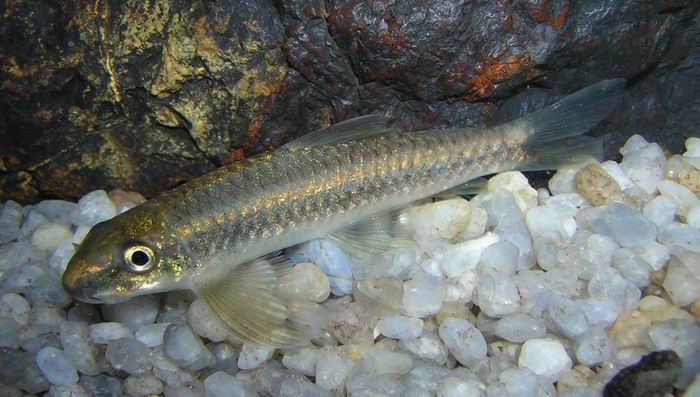
Garra borneensis
Vaillant, 1902
Max length115mm SL5in SLTanknot recordedTempnot recordedpHnot recordedSubstrates are generally composed of gravel, rocks, boulders or bedrock carpeted with a rich biofilm formed by algae and other micro-organisms. At a habitat in the Mendawai river basin in central Kalimantan, H. borneensis was collected from a foothill stream running swiftly over a rock and gravel substrate with clear water of pH 6.4.
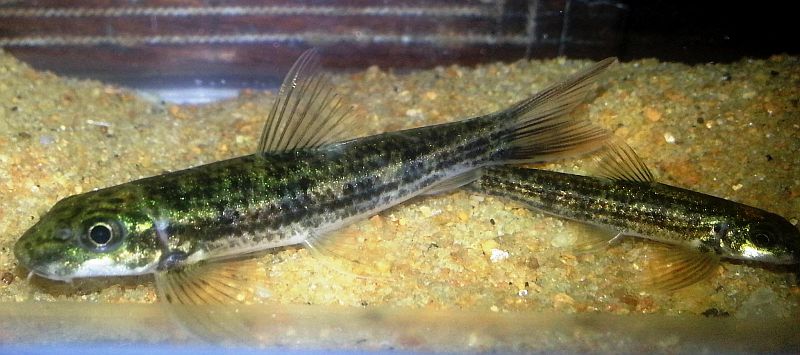
Garra surendranathanii
Shaji, Arun & Easa, 1996
Max length150mm SL6in SLTanknot recordedTempnot recordedpHnot recordedThe type series was collected from a stream-like tributary of the Chalakkudy River at an altitude of 483 m AMSL. In March 1996 the habitat measured around 15 m across and comprised shallow (~ 20 cm deep) water flowing slowly through moist deciduous forest over a substrate of pebbles and boulders.
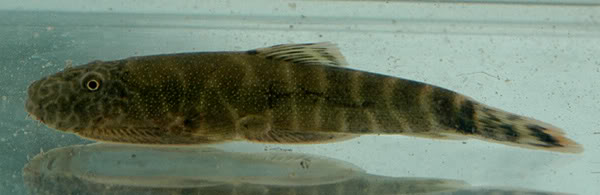
Gastromyzon introrsus
Tan, 2006
Max length95mm SL3.7in SLTank120 × 30cm48 × 12inTemp20–24°C68–75°FpH6.0–8.0The type locality was a fast-flowing, shallow (50 - 80 cm deep) river between 5-10 metres in width with a substrate of gravel and large rocks. PH was measured at 7.7 and the habitat was unshaded with on...
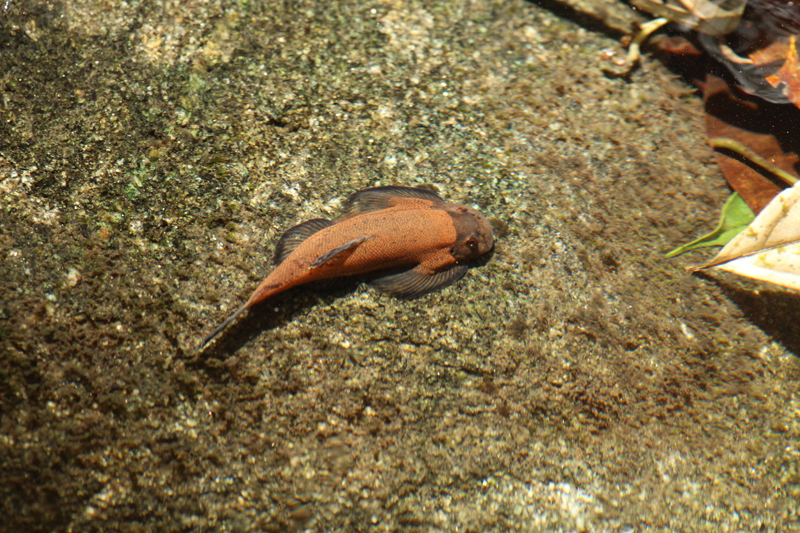
Gastromyzon lepidogaster
Roberts, 1982
Max length100mm SL3.9in SLTank120 × 30cm48 × 12inTemp18–24°C64–75°FpH6.0–8.5This species is variable in terms of colour. Large adults may be bright green, orange or barred but are apparently capable of changing from barred to plain in just a few seconds. These different forms have been recorded in the same natural habitats, and some individuals also possess prominent nuptial tubercules covering much of the body.
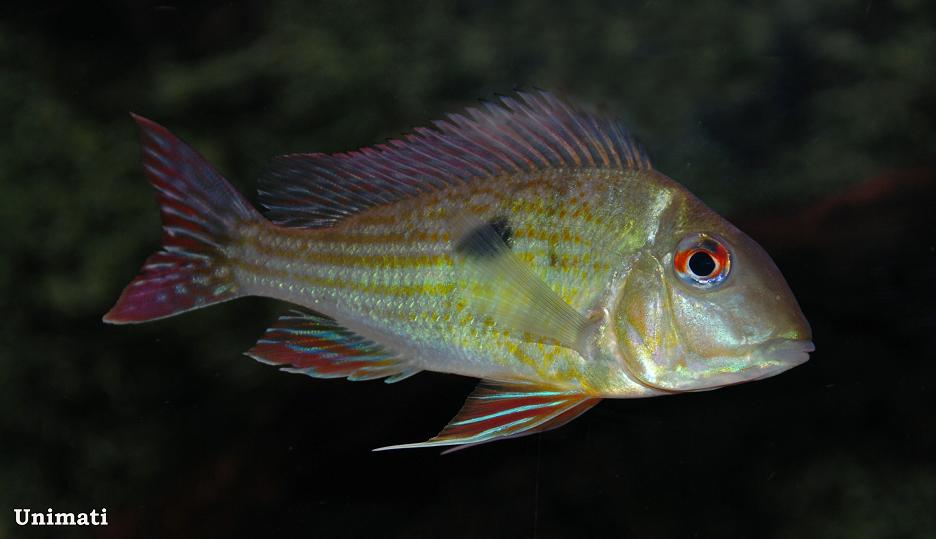
Geophagus abalios
López-Fernández & Taphorn, 2004
Max length200mm SL8in SLTank180 × 60cm72 × 24inTemp26–32°C79–90°FpH4.0–7.0It also occurs in the río Caura on the Guyana Shield plus the Ventauri and Mavaca drainages in the middle and upper Orinoco where it’s also known from some white water, referring to turbidity rather than turbulence, habitats. To the north its distribution appears limited by the Las Majaguas dam on the Río Cojedes, a tributary of the Apure where a probable introduced population inhabits the res...
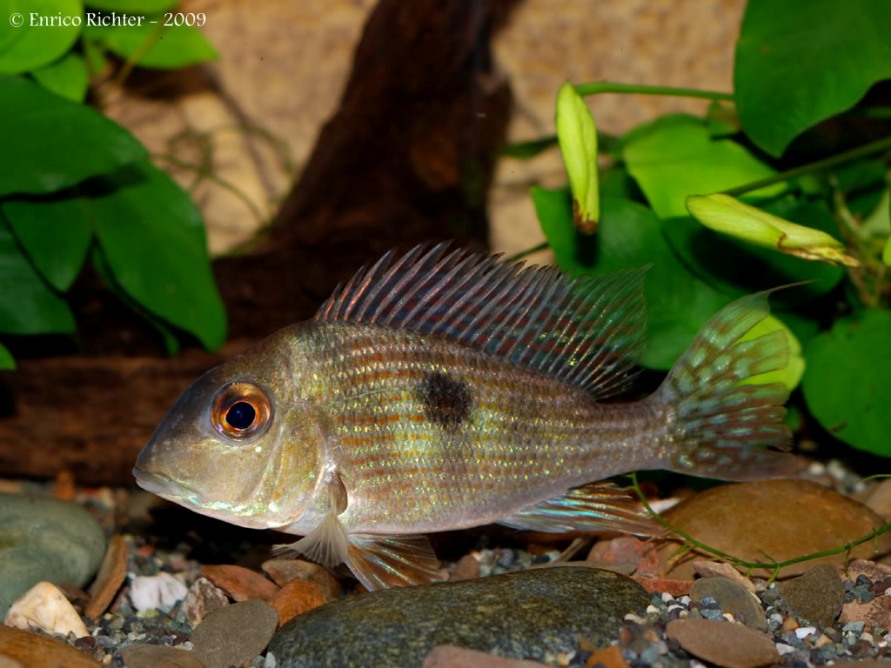
Geophagus sp. 'Pindaré'
authority not recorded
Max length150mm SL6in SLTank150 × 45cm60 × 18inTemp26–29°C79–84°FpH6.0–7.0Known only from the rio Pindaré in Maranhão state, north-eastern Brazil which drains into the Baía de São Marcos (St. Mark's Bay) along with the rios Mearim, of which it is sometimes considered a tributary, and Grajaú. Some sections of the Pindaré have been heavily degraded via removal of riparian vegetation for agriculture and habitats destroyed due to resultant siltation. The river is poorly-studied and the conservation status of its fishes mostly unconfirmed so su...
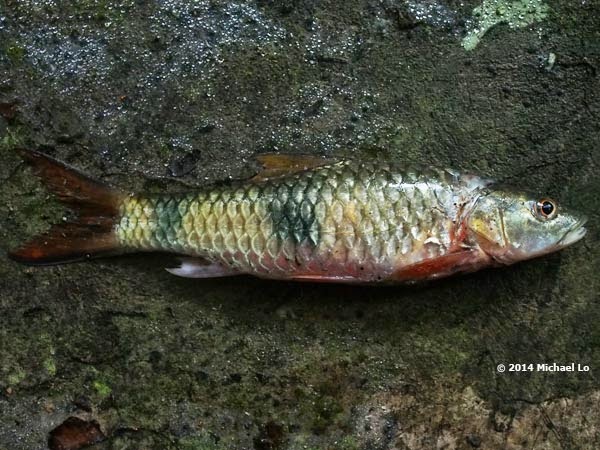
Hampala bimaculata
Popta, 1905
Max length500mm SL20in SLTanknot recordedTempnot recordedpHnot recordedPredominantly a riverine fish preferring clear, well-oxygenated, running waters with substrates of sand, gravel, rock or mud, typically flowing through tropical forest. In the habitat seen in our images sympatric fish species included Barbonymus balleroides, B. collingwoodi, Cyclocheilichthys repasson, C. apogon, Diplocheilichthys pleurotaenia, Garra borneensis, Leptobarbus hosii, and an unidentified Gastromyzon sp.
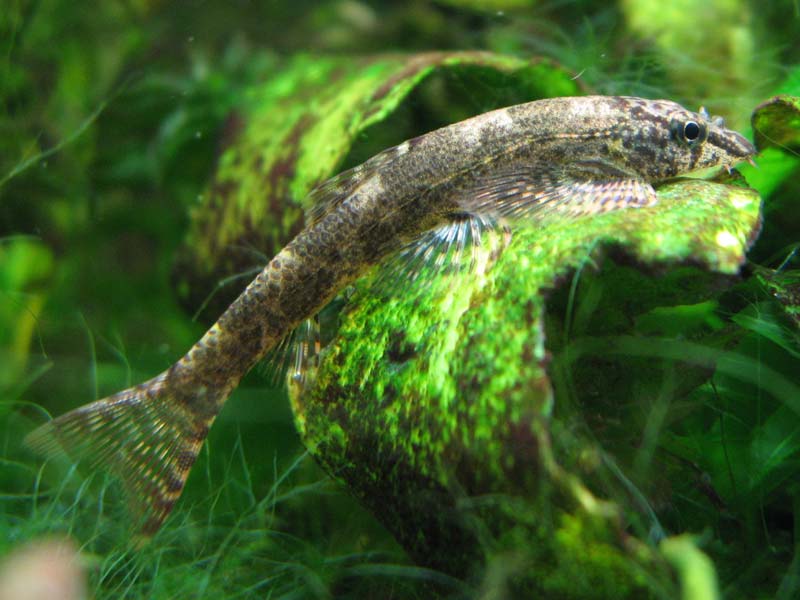
Homalopteroides smithi
Hora, 1932
Max length60mm SL2.4in SLTank60 × 30cm24 × 12inTemp20–25.5°C68–78°FpH6.0–7.5Described from close to the village of Ban Khiri Wong, Nakhon Si Thammarat Province, southern (peninsular) Thailand but since recorded throughout much of the country, including the Chao Phraya and Mekong river systems. It's also known from Peninsular Malaysia and parts of the Mekong basin in Laos, Cambodia and Vietnam. Rainboth (1996) considered it 'probably the commonest member of the genus in the Mekong' and in a 2008 study of balitorid habitats in centra...
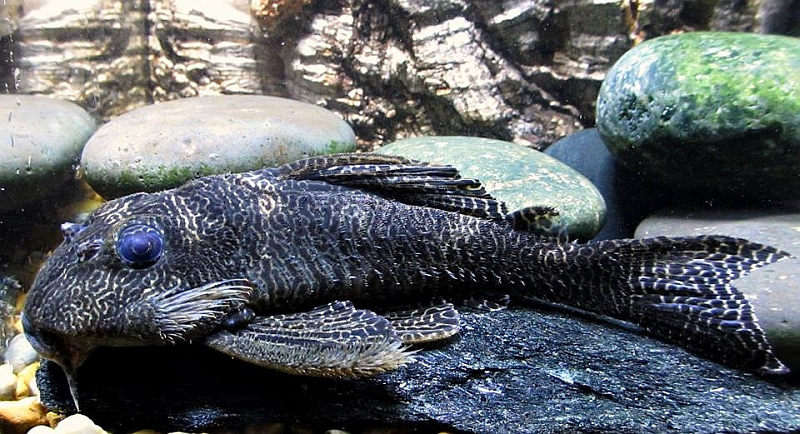
Hypancistrus sp.L066
authority not recorded
Max length140mm SL6in SLTank120 × 45cm48 × 18inTemp26–30°C79–86°FpH5.0–7.0Collected from the rio Xingu downstream and in the vicinity of Belo Monte, Pará state, northern Brazil. The majority of its natural habitat is likely to be severely degraded in the near future due to ongoing construction of the Belo Monte dam.
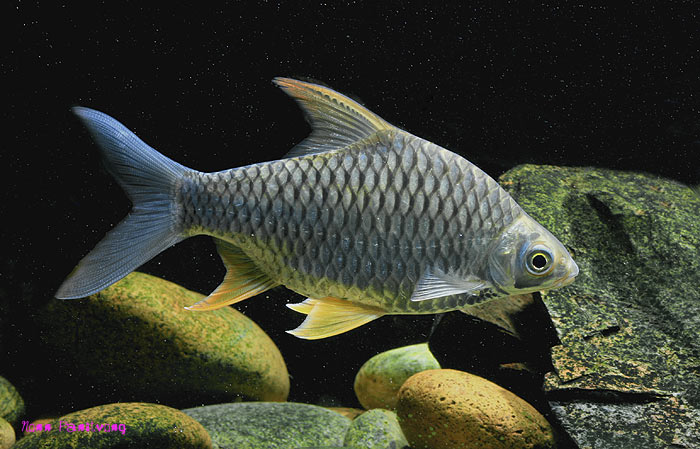
Hypsibarbus lagleri
Rainboth, 1996
Max length350mm SL14in SLTank240 × 60cm96 × 24inTemp20–26°C68–79°FpH6.0–8.0This species is migratory on a seasonal basis; during the dry season it can be found in larger river channels, whereas during drier months it moves into smaller tributaries and flooded forests. Apparently displays a preference for rocky habitats and is not known to adapt to reservoirs or other artificial impoundments.
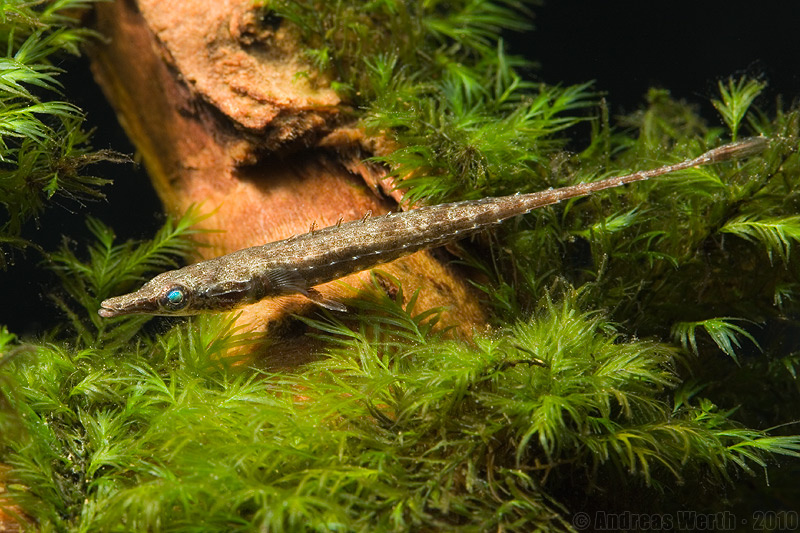
Indostomus crocodilus
Britz & Kottelat, 1999
Max length30mm SL1.2in SLTank40 × 20cm16 × 8inTemp22–27°C72–81°FpH5.0–7.0The type series was collected from a blackwater stream in Toh Daeng Peat swamp forest with the fish found in slow-moving or standing habitats among submerged shoreline roots and leaf litter. In the Tapi River floodplain it was collected from stagnant waters, one of which was an oxbow lake approximately 200 m long and 30 m across at its widest point, surrounded by 'freshwater scrub and swamp trees'. The substrate was composed of mud, woody structures including fallen twigs and branches, and decomposing plant material.
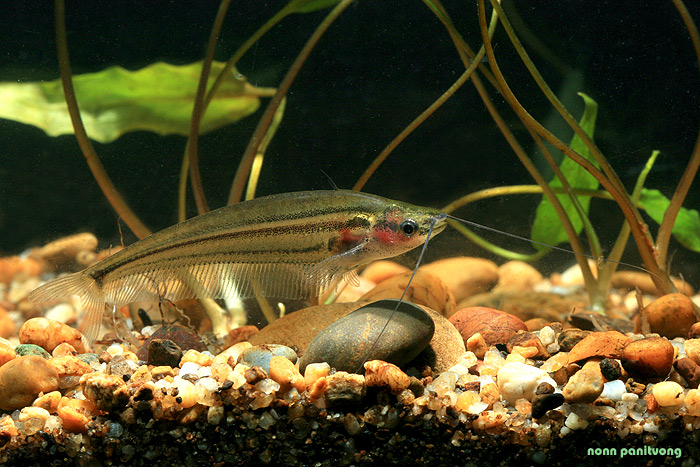
Kryptopterus macrocephalusStriped Glass Catfish
Bleeker, 1858
Max length100mm SL3.9in SLTank120 × 30cm48 × 12inTemp20–26°C68–79°FpH4.0–7.0Has been recorded in fast-flowing environments but most commonly associated with peat swamp forests and associated blackwater streams. Many such habitats have suffered degradation of some kind but in unaltered cases the dense canopy of branches above means very little light penetrates the surface of such environments, and riparian vegetation also tends to grow thickly.
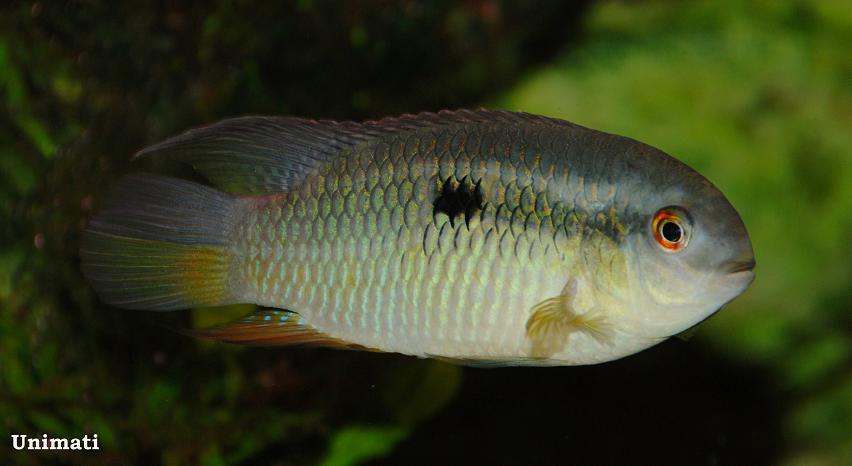
Laetacara fulvipinnis
Staeck & Schindler, 2007
Max length75mm SL3.0in SLTanknot recordedTemp20–28°C68–82°FpH4.0–7.0Has been collected from habitats containing clear, soft, acidic, tea-coloured blackwater, most typically among leaf litter or submerged vegetation in very shallow (10-50 cm depth) water along the margins of streams and other minor tributaries. At a village called El Niñal close to the mouth of the rio Pasimoni in the Casiquiare drainage pH was...
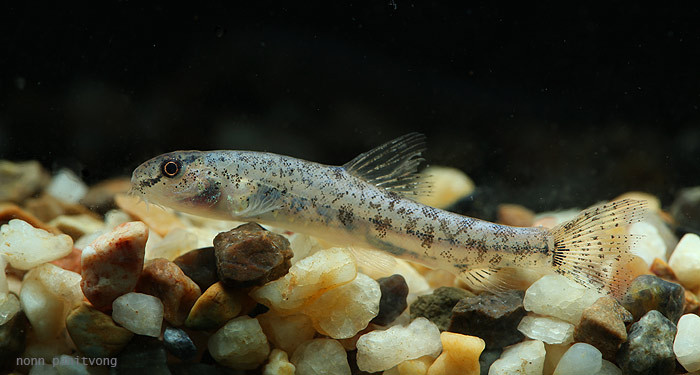
Lepidocephalichthys zeppelini
Havird & Tangjitjaroen, 2010
Max length26mm SL1.0in SLTank45 × 30cm18 × 12inTemp20–26°C68–79°FpH6.0–7.5The type locality consisted of remnant ephemeral pools in otherwise dry agricultural land, and many adults were collected from such habitats. Other species present included the congener L. hasselti plus members of Anabas, 'Puntius', Rasbora, Channa, and Hampala.
Mchenga flavimanus
authority not recorded
Max length120mm SL5in SLTank120 × 45cm48 × 18inTemp25–29°C77–84°FpH7.5–8.5The genus Mchenga was erected in 2006 by Stauffer and Konings and currently numbers half a dozen species, all of which are previous members of Copadichromis. The reclassification was based on various morphological and behavioural traits, including habitat preference and breeding strategy. Together with Copadichromis, Mchenga spp. form an exclusive group of Malawian cichlids commonly referred to as "Utaka" (prounounced "ooh-taw-kuh"). They're specialised to a pelagic l...
Microctenopoma ansorgiiOrnate ctenopoma
authority not recorded
Max length70mm SL2.8in SLTanknot recordedTemp20–27°C68–81°FpH5.5–7.5This is the most colourful of the African anabantoids and is much sought after by hobbyists. A male in full breeding dress is truly a sight to behold. In nature it can be found in small streams, inhabiting areas of dense vegetation close to the riverbanks. It is difficult to collect a lot of fish from these habitats and so M. ansorgei is relatively rare in the hobby. These fish can be difficult to acclimatise but once settled are very hardy and can live up to 5 years in the aquarium....
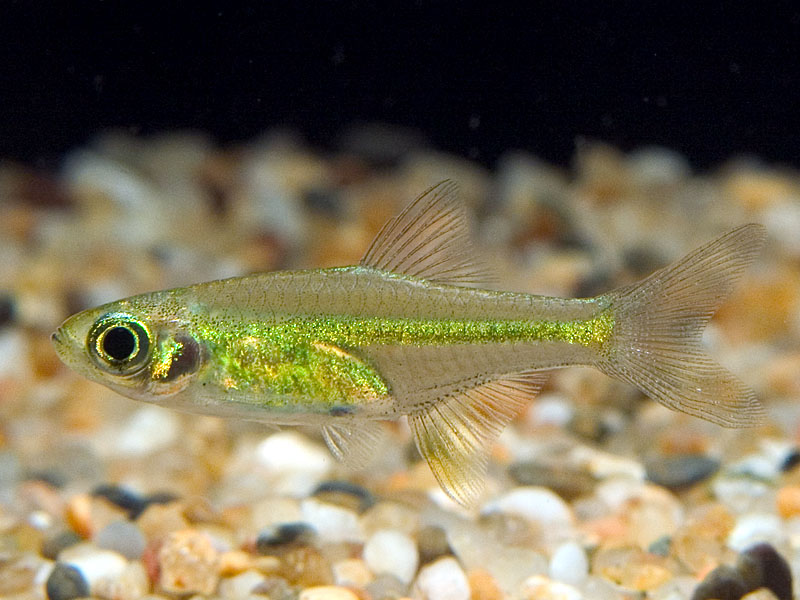
Microdevario kubotai
Kottelat & Witte, 1999
Max length20mm SL0.8in SLTank60 × 30cm24 × 12inTemp20–27°C68–81°FpH6.0–7.0Apparently inhabits calm to moderately-flowing stretches of well-oxygenated headwaters and minor tributaries. Such habitats tend to comprise transparent water, substrates of sand, gravel, rocks, boulders, and patches of leaf litter, with submerged driftwood, roots of riparian vegetation, and aquatic vegetation in places.
Mystus bimaculatusTwo Spot Mystus
authority not recorded
Max length65mm SL2.6in SLTank45 × 30cm18 × 12inTemp23–30°C73–86°FpH4.0–6.5A delightful little species that deserves greater popularity in the hobby. All attempts at captive breeding should be encouraged, as its natural habitat is in danger of destruction by human activity.
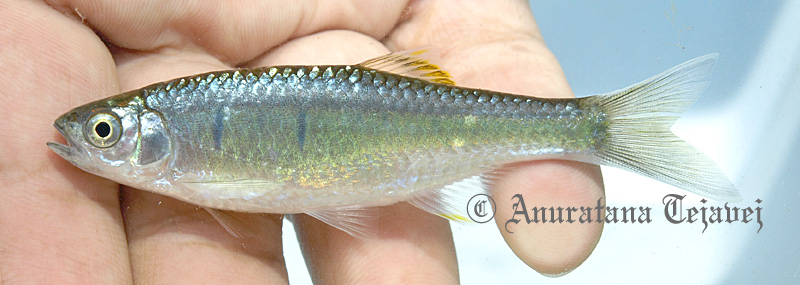
Opsarius koratensis
Smith, 1931
Max length100mm SL3.9in SLTank150 × 45cm60 × 18inTemp22–30°C72–86°FpH6.0–8.0Inhabits well-oxygenated, low-to-medium gradient, slow to moderate-flowing rivers and streams with substrates of gravel, cobbles, larger boulders and exposed bedrock. At the habitat in our image pH was 7.5, temperature 26°C and cond...
Orthochromis stormsi
authority not recorded
Max length120mm SL5in SLTank120 × 30cm48 × 12inTemp22–27°C72–81°FpH6.5–7.5O. stormsi was previously classified as Schwetzochromis stormsi and is still named as such by many sources. Its swimbladder is modified, being much reduced in size. This makes the fish less buoyant and therefore less likely to be swept away by the strong currents in its natural habitat. In the aquarium it spends most of its time on the substrate, where it swims in a characteristic 'hopping' fashion. Unfortunately, it is rather rare in the hobby....