Results for “scale”
Type a name: scientific, common, or one a species used to go by. Or narrow the catalogue with the filters.
Filters
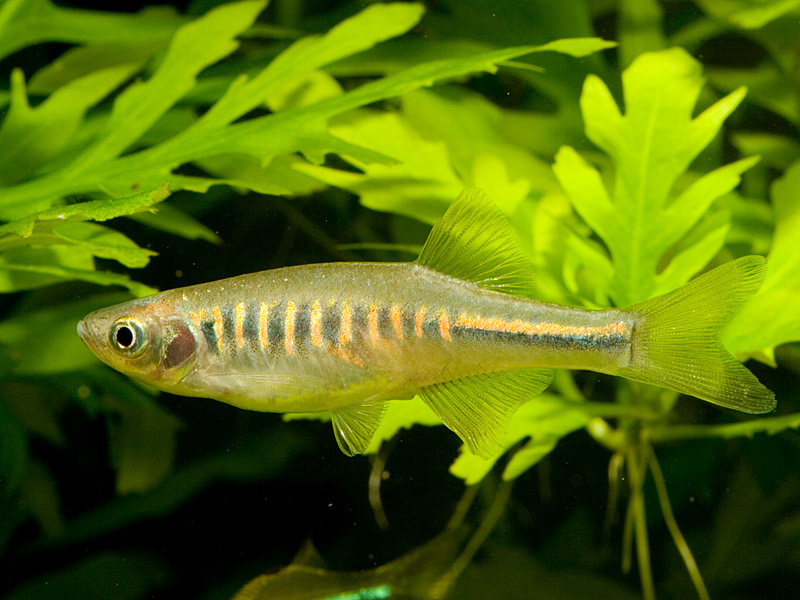
'Inlecypris' shanensis
Hora, 1928
Max length60mm SL2.4in SLTank80 × 30cm31 × 12inTemp18–26°C64–79°FpH6.0–8.0This species is sometimes referred to as 'Hora danio' or Salween danio'. It is distinguished from similar-looking species by a combination of characters as follows: lateral line complete or incomplete with 22-33 pored scales; absence of infraorbital process; 7 branched dorsal-fin rays; usually 10 or 11 branched anal-fin rays; barbels absent or rudimentary; flank markings comprising a series of narrow vertical bars on the anterior portion of each flank, fol...
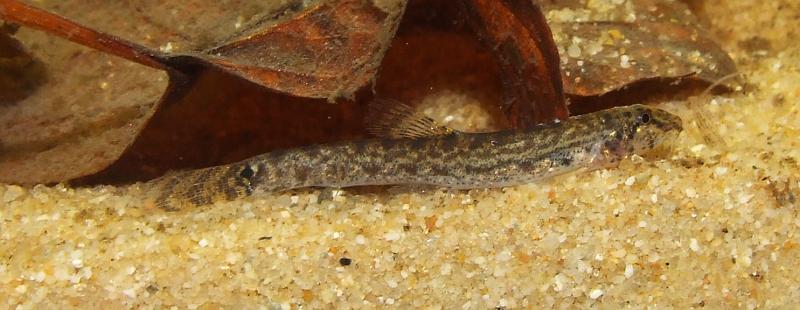
Kottelatlimia pristes
Roberts, 1989
Max length40mm SL1.6in SLTank45 × 30cm18 × 12inTemp21–26°C70–79°FpH3.5–6.5The genus Kottelatlimia was erected by Nalbant (1994) to accommodate K. katik which had previously been assigned to Lepidocephalichthys but differs in various aspects noted earlier by Kottelat and Lim (1992) including: relatively small adult size; scaleless...
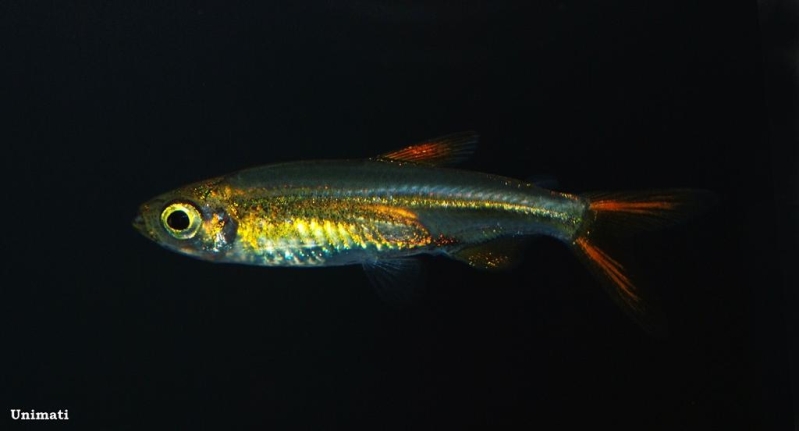
Ladigesia roloffiJelly Bean Tetra
Géry, 1968
Max length31mm SL1.2in SLTank60 × 30cm24 × 12inTemp20–26°C68–79°FpH5.0–7.0This species is sometimes referred to as 'Sierra Leone dwarf characin' and is the only member of its genus which can be distinguished from other alestids by lacking dorsal scales anterior to the adipose-fin insertion. The family Alestidae is the most spe...
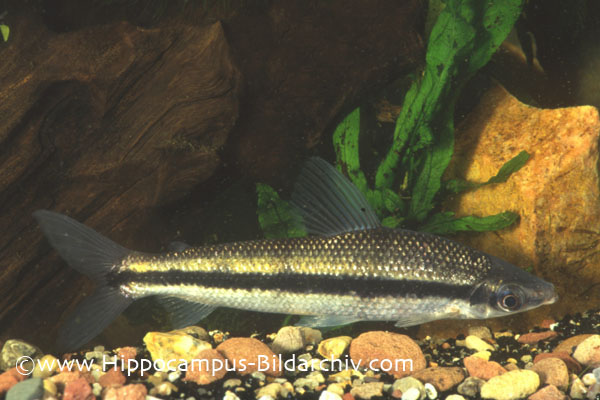
Laemolyta taeniataStriped Headstander
Kner, 1858
Max length288mm SL11in SLTank120 × 60cm48 × 24inTemp20–28°C68–82°FpH4.0–7.5L. taeniata is the largest-growing and second most widely-distributed member of the genus although it's a rarely-seen in the aquarium trade. It can be distinguished from all congeners since it uniquely possesses 5 lateral scale rows between the lateral line and dorsal-fin origin (vs. 4 or 6–8 in the remaining species).
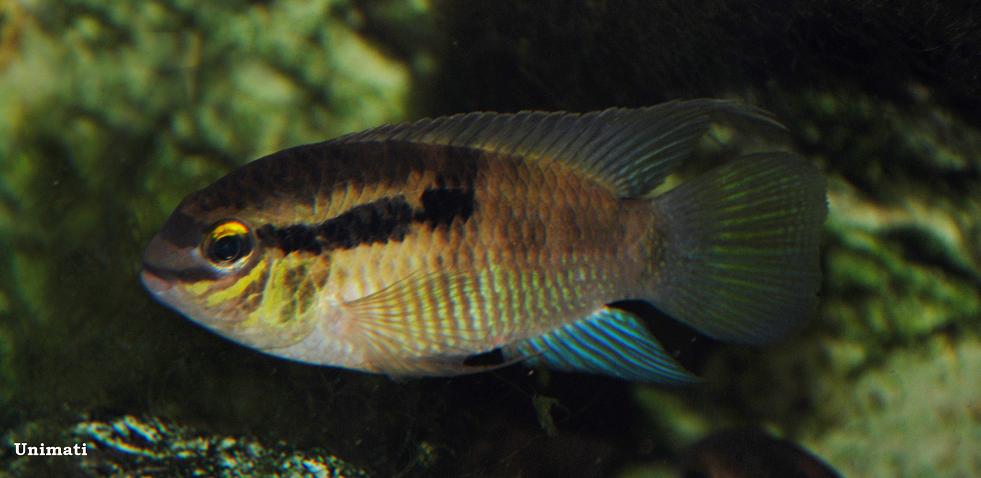
Laetacara thayeri
Steindachner, 1875
Max length65mm SL2.6in SLTanknot recordedTemp20–28°C68–82°FpH4.5–7.5This species is relatively rare in the aquarium trade. It can be differentiated from all congeners by a combination of possessing ctenoid (vs. cycloid) scales on the sides of the head plus lacking a dark spot at the caudal-fin base.
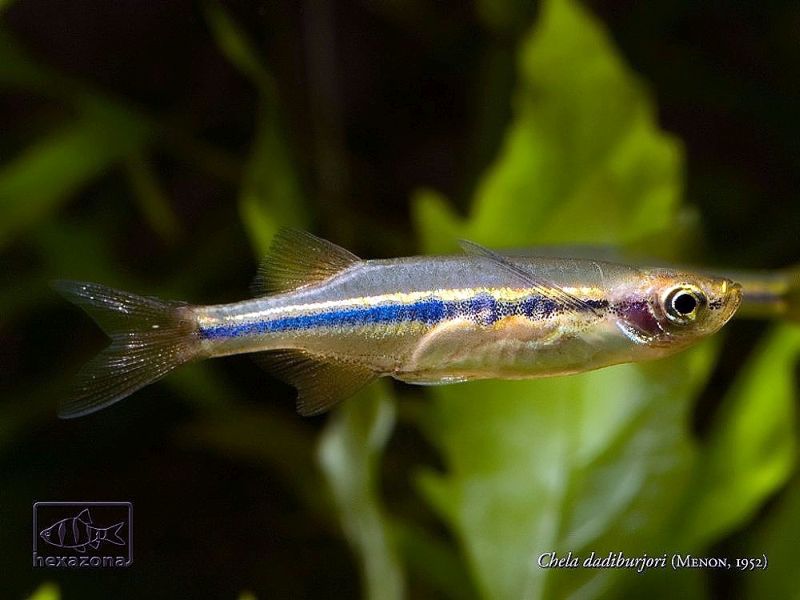
Laubuka dadiburjoriDadio
Menon, 1952
Max length30mm SL1.2in SLTank90 × 30cm36 × 12inTemp20–24°C68–75°FpH6.0–7.5It can be distinguished from other members of the genus by the following characters: lateral line absent or perforating only 2-5 scales; pharyngeal teeth hooked; body size small, not exceeding 30 mm SL; body depth less than 25 % SL; colour pattern comprising a dark bluish lateral stripe extending from the eye to the caudal peduncle, typically, but not always, forming 2-5 circular spots along its length.
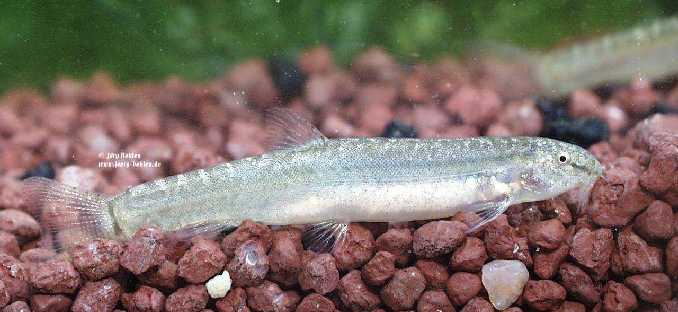
Lepidocephalichthys cf. irrorataLoktak Loach
Hora, 1921
Max length30mm SL1.2in SLTank45 × 30cm18 × 12inTemp20–25°C68–77°FpH5.5–7.5This species is not traded often but may occasionally be exported as bycatch among shipments of other species. It can be distinguished from congeners by the following combination of characters: presence of large, exposed scales on top of head; dorsal-fin origin posterior to pelvic-fin origin; moderate to small size (to 29 mm SL); caudal-fin emarginate and with dark reticulations; caudal-fin lobes with dark, elongated spots along upper and lower edges.
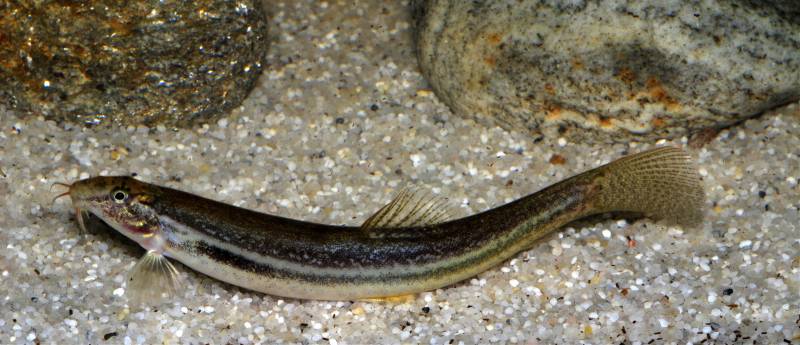
Lepidocephalichthys guntea
Hamilton, 1822
Max length150mm SL6in SLTank80 × 30cm31 × 12inTemp20–25°C68–77°FpH6.0–8.0This is one of the most frequently-traded members of the group and is an excellent choice for those new to keeping loaches. It's distinguishable from congeners by a combination of characters including: rounded/truncate caudal-fin; a scaleless patch on top of the head; relatively large adult size; flanks with spotted patterning in females and a solid...
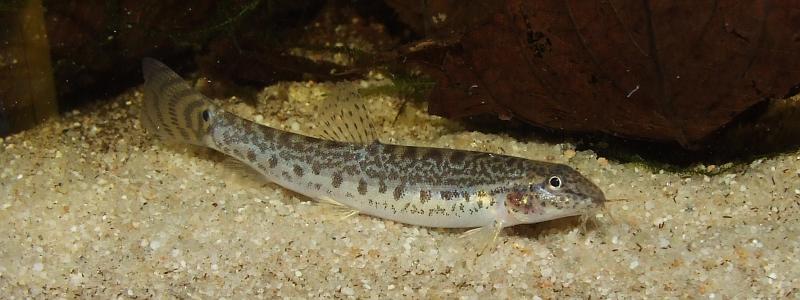
Lepidocephalichthys thermalis
Valenciennes, 1846
Max length50mm SL2.0in SLTank45 × 30cm18 × 12inTemp20–25°C68–77°FpH6.0–8.0This species is available sporadically and makes an excellent choice for those new to keeping loaches. It's distinguishable from congeners by a combination of characters including: truncate/rounded caudal-fin; no scales on top of head; dark, squarish spots o...
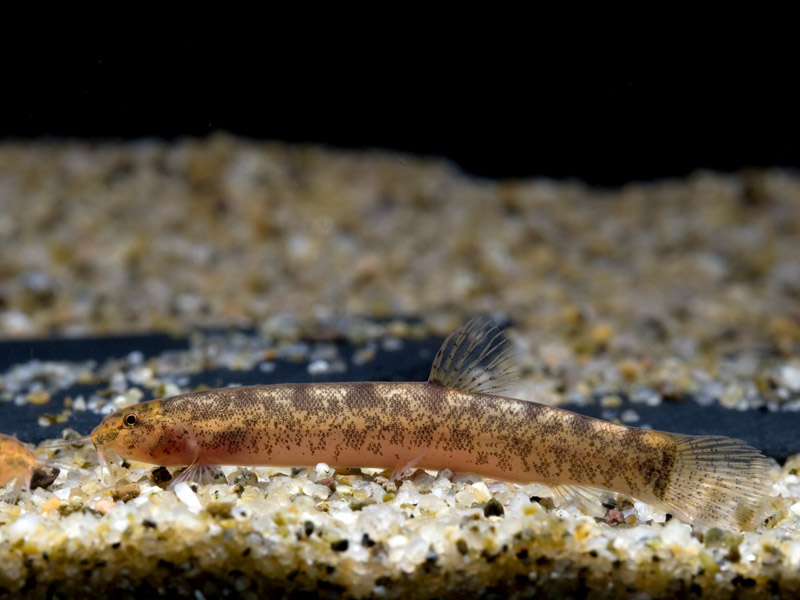
Lepidocephalichthys tomaculum
Kottelat & Lim, 1992
Max length39mm SL1.5in SLTank45 × 30cm18 × 12inTemp23–29°C73–84°FpH3.5–7.0This species is not traded often but may be available occasionally bycatch among shipments of other species. It can be told apart from congeners most easily by the following combination of characters: truncate caudal-fin; scaleless patch on top of head; caudal-fin with reticulated patterning, sometimes appearing as a series of thin vertical bars; body reddish brown with darker markings; 3-7 predorsal and 3-6 postdorsal thin, transverse dark bars running across the dorsal surface; relatively deep...
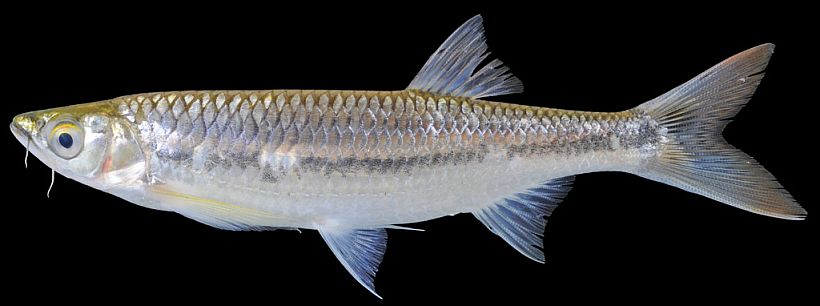
Luciosoma bleekeri
Steindachner, 1878
Max length210mm SL8in SLTank240 × 60cm96 × 24inTemp20–26°C68–79°FpH6.0–8.0L. bleekeri is most-easily distinguished from the congener L. setigerum, with which it is frequently confused, by absence (vs. presence) of a series of black spots on the lateral line scales.
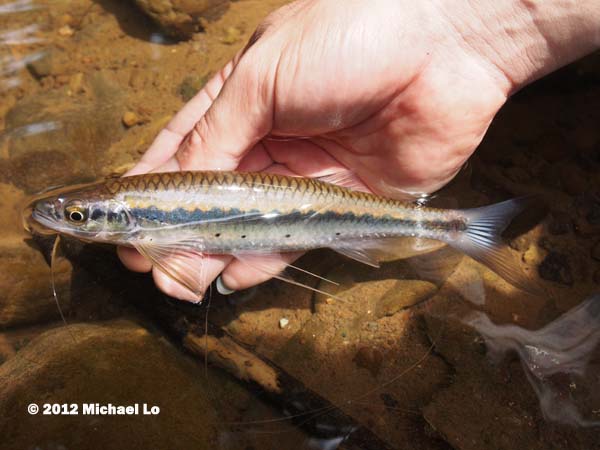
Luciosoma pellegrinii
Popta, 1905
Max length170mm SL7in SLTanknot recordedTempnot recordedpHnot recordedThe five species which currently comprise Luciosoma can be distinguished by elements of colour pattern. Popta described the colour pattern of L. pellegrinii as follows: body colour olive dorsally, with dark-edged scales, yellow ventrally; a lateral series of dark spots on the flank forming a midlateral band which extends onto the opercle but not the head; 4-8 blackish-brown, distinctly-separate spots on the lateral line; fins yellow; dorsal and anal fins with a blackish-brown band; anterior half of some pectoral-fin rays blackish-brown...
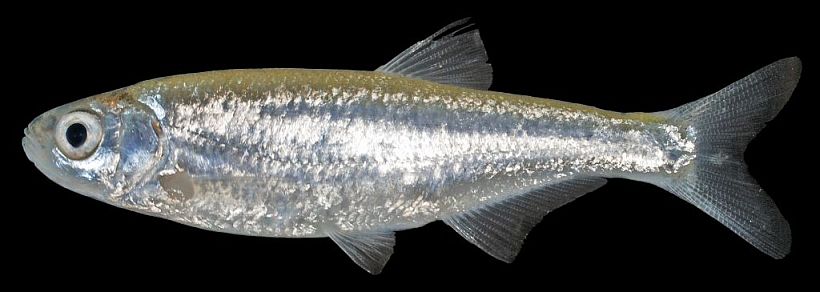
Metzia bounthobi
Shibukawa, Phousavanh, Phongsa & Iwata, 2012
Max length61mm SL2.4in SLTanknot recordedTempnot recordedpHnot recordedThis species can be distinguished from congeners by the following combination of characters: 18–20 (vs. 10-18) branched anal-fin rays; 49–55 (vs. 35-48) lateral-line scale rows; 33–36 (vs. 15-20) predorsal sca...
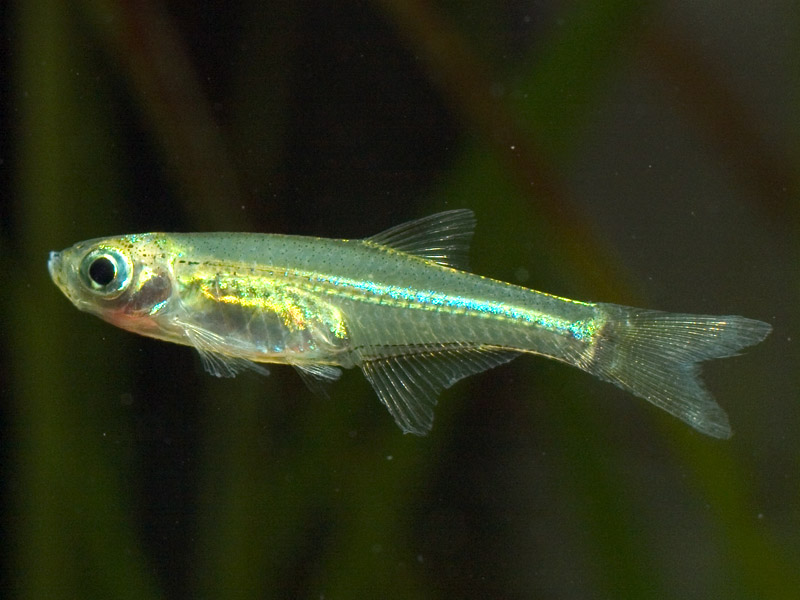
Microdevario gatesi
Herre, 1939
Max length23mm SL0.9in SLTank45 × 30cm18 × 12inTemp20–27°C68–81°FpH6.0–7.5The genus Microdevario was raised by Fang et al. (2009) after phylogenetic analyses revealed that some species formerly included in Microrasbora to be more closely allied with Devario and in need of reclassification. Microdevario is largely separated from Devario and other closely related genera such as Chela and Laubuca by virtue of internal characters but also the following: small adult size; anal and dorsal fins with concave-shaped distal margin; absence of barbels; absence of perforated scales; 9-10 branched anal-fin rays; 7 branched dorsal-fin rays; less abdominal than caudal vertebrae.
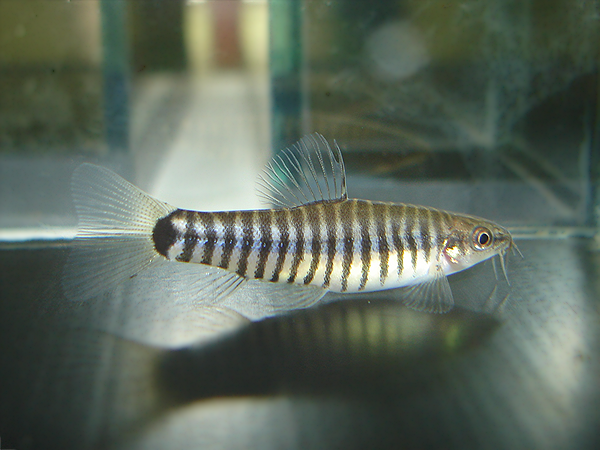
Micronemacheilus cruciatus
Rendahl, 1944
Max length40mm SL1.6in SLTank60 × 30cm24 × 12inTemp22–27°C72–81°FpH6.0–7.5This species is traded under various names including 'Vietnamese multi-banded zebra loach', 'hovering zebra loach', 'Laos pygmy multi-stripe loach', and 'banded dwarf loach'. It can be distinguished from related species by the following combination of characters: body with distinct vertical bars; 8 branched dorsal-fin rays; 3-10 pored lateral line scales; one pair of large papillae in median portion of upper lip; two pairs of large papillae in median portion of lower lip; lower posterior edge of opercle with 3-4 prominent indentations.
Mogurnda adspersaSouthern Purple Spotted Gudgeon
authority not recorded
Max length140mm SL6in SLTank120 × 30cm48 × 12inTemp16–24°C61–75°FpH7.0–7.5This species is considered endangered across its native range, but has recently begun to appear in the hobby a little more often as a result of commercial farming. It's still by no means common though. Superficially it looks very similar to the much commoner Northern purple spotted gudgeon (Mogurnda mogurnda), but can be distinguished by the presence of only 30-36 scales along its lateral line, (as opposed to 37-48 in M. mogurnda), and a higher degree of red spotting in the second dorsal fi...
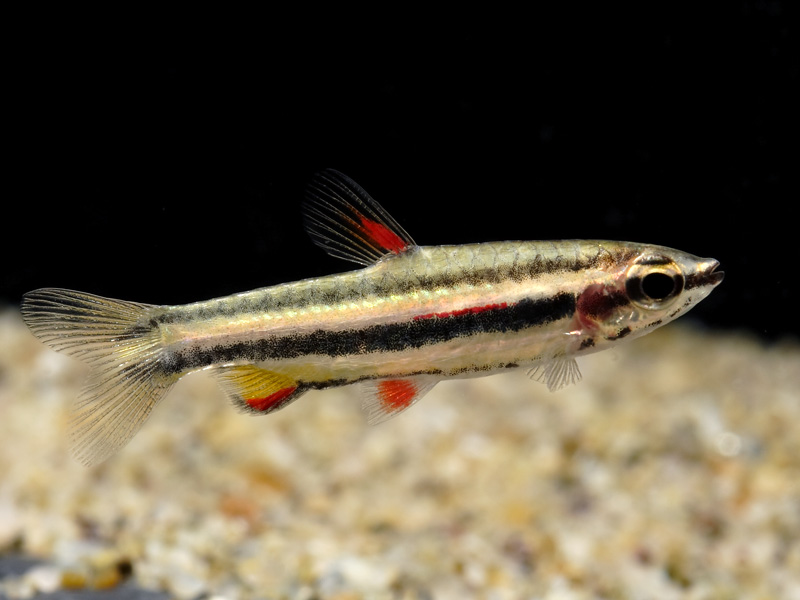
Nannostomus marginatusDwarf Pencilfish
Eigenmann, 1909
Max length25mm SL1.0in SLTank45 × 30cm18 × 12inTemp22–28°C72–82°FpH4.0–7.0There also exist a number of minor differences in colour pattern between populations. For example some Peruvian forms have yellow pigmentation on the body and fins, and those from Guyana and Suriname possess a short red stripe on vertical scale rows 6-9, above the central dark stripe on the body. Rio Negro forms have a similar red stripe but overlapping the central dark stripe and extending along most of the flank, while a form from Colombia has an elongate red stripe which is broken in two beneath the dorsal-fi...
Nanochromis nudiceps
authority not recorded
Max length80mm SL3.1in SLTanknot recordedTemp24–27°C75–81°FpH5.0–7.0This species is rarely imported. It is easily confused with N. parilus but can be distinguished by the fact that male fish lack the barring seen in the upper part of the of parilus and have dark edges to the scales on the body. Females can be distinguished by the spotting in the lower part of the caudal, which is unpatterned in parilus. We do not recommend this species to the beginner due to its very specific water and care requirements....
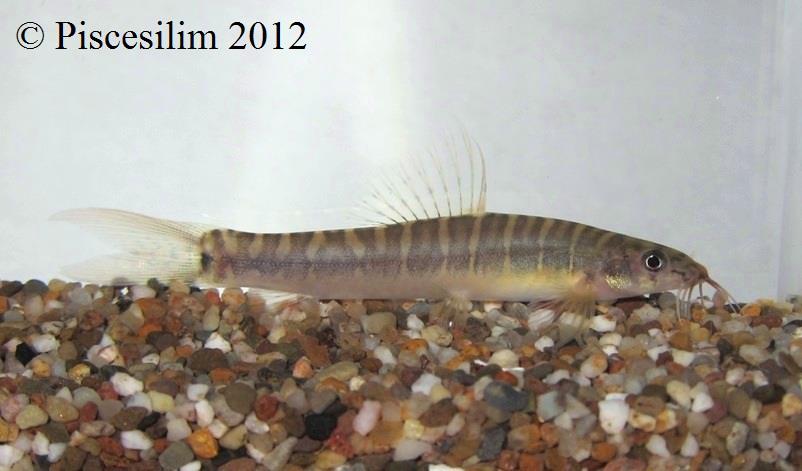
Nemacheilus selangoricus
Duncker, 1904
Max length60mm SL2.4in SLTank60 × 30cm24 × 12inTemp20–25°C68–77°FpH5.0–7.5N. selangoricus is most similar to N. spiniferus since it possesses acuminate scales above and below the lateral line on the caudal peduncle, a feature not shared with any other congener. It can however be distinguished by the following characters: presence of 8-12 very regular dark bars on flanks (vs. 10-13 irregularly-shaped bars in N. spiniferus), 3-5 times...
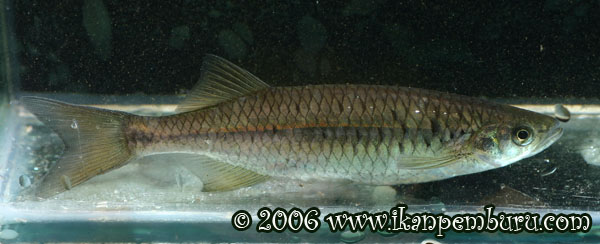
Nematabramis alestes
Seale & Bean, 1907
Max length105mm SL4in SLTanknot recordedTempnot recordedpHnot recordedN. alestes is the only member of the genus in which the barbels are shorter than the head, with additional diagnostic characters as follows: 8-9 branched dorsal-fin rays; 12-14 branched anal-fin rays; 22-23 predorsal scales; body with a pronounced ventral keel.