Results for “type”
Type a name: scientific, common, or one a species used to go by. Or narrow the catalogue with the filters.
Filters
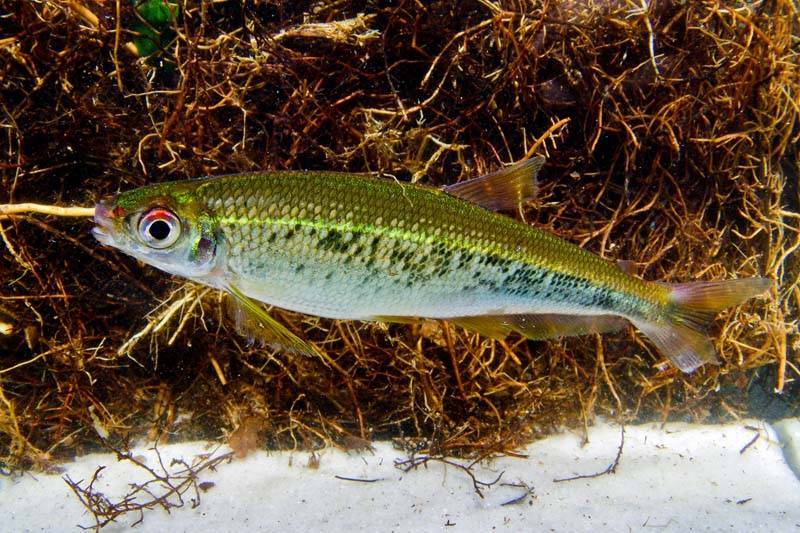
Iguanodectes variatus
Géry, 1993
Max length103mm SL4in SLTanknot recordedTempnot recordedpHnot recordedThis species has been recorded from the Guaporé, Madeira, Branco, Trombetas, and Urubu river systems within the Amazon river basin, Brazil. Type locality is 'Igarapé Jatuarana, 5 kilometers above Samuel, Rio Guaporé, Rondonia, Brazil'.
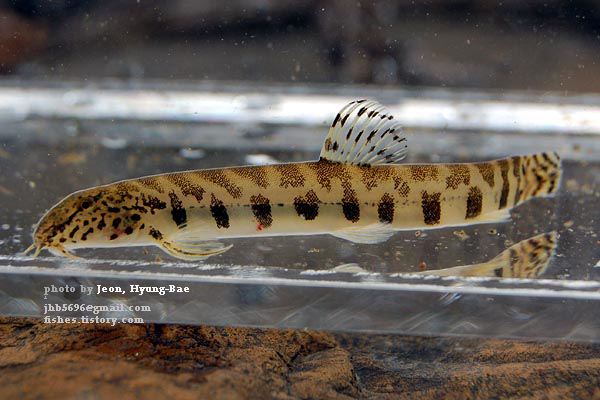
Iksookimia pumila
Kim & Lee, 1987
Max length80mm SL3.1in SLTank60 × 30cm24 × 12inTemp20–24°C68–75°FpH7.0–8.0All Iksookimia species are endemic to Korea, and I. pumila is known only from the Baek River drainage in south-western Korea where its presence has been undermined at some localities due to construction of a dam in the middle reaches of the river during the late 1990s. Type locality is 'Paikchon stream at Sangso-myon, Puan-gun, Chollabuk-do, South Korea'. The reservoir formed by the dam has also be...
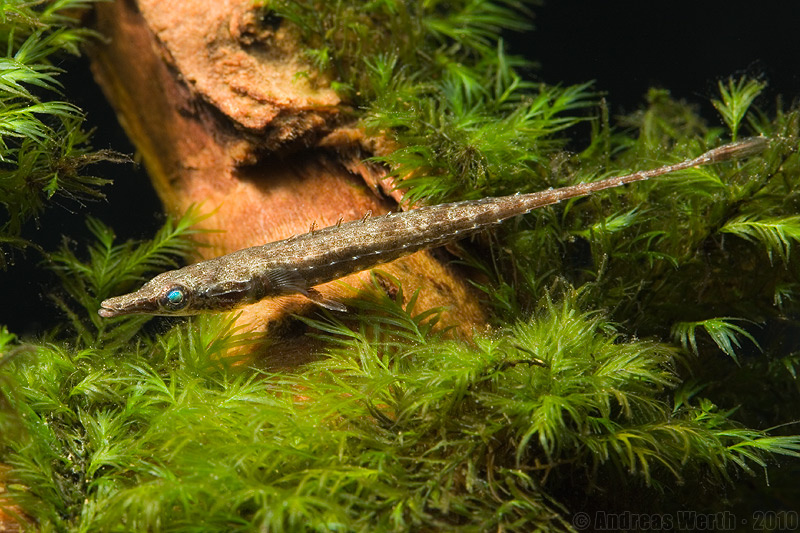
Indostomus crocodilus
Britz & Kottelat, 1999
Max length30mm SL1.2in SLTank40 × 20cm16 × 8inTemp22–27°C72–81°FpH5.0–7.0The type series was collected from a blackwater stream in Toh Daeng Peat swamp forest with the fish found in slow-moving or standing habitats among submerged shoreline roots and leaf litter. In the Tapi River floodplain it was collected from stagnant waters, one of which was an oxbow lake approximately 200 m long and 30 m across at its widest point, surrounded by 'freshwater scrub and swamp trees'. The substrate was composed of mud, woody structures including fallen twigs and branches, and decomposing plant material.
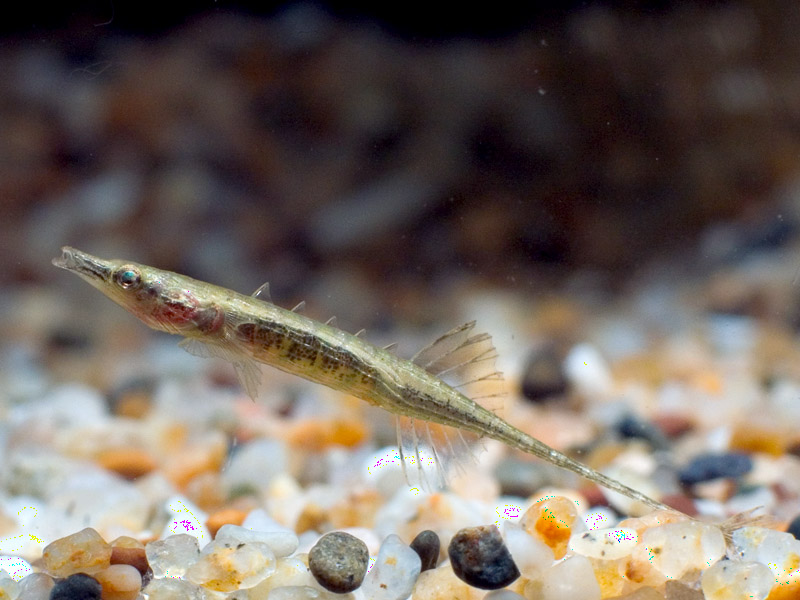
Indostomus paradoxusArmoured Stickleback
Prashad & Mukerji, 1929
Max length30mm SL1.2in SLTank40 × 20cm16 × 8inTemp22–27°C72–81°FpH6.5–7.5This species is rare in the aquarium hobby though its name is often misapplied to the closely-related I. crocodilus. It can be told apart from congeners by the following characters: dorsal and anal fins without dark markings, with a light brown bar in breeding males; ventral surface light brown; throat white, occasionally with a few brown spots; ridges of head bones weakly serrated or not serrated, depending on the bone. The family Indostomidae currently contains just a single genus with three species of which I. paradoxus is the type. It was raised alongside both family...
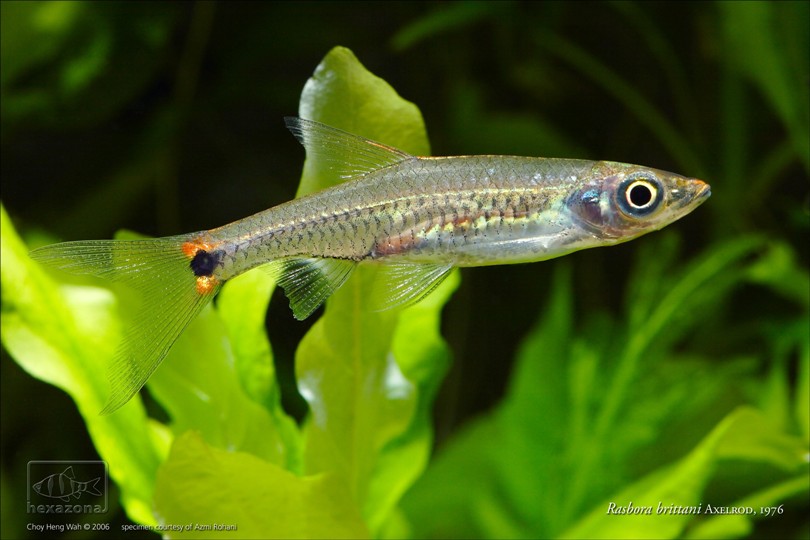
Kottelatia brittani
Axelrod, 1976
Max length60mm SL2.4in SLTank75 × 30cm30 × 12inTemp20–26°C68–79°FpH6.0–7.5This species was described from 'Johore River, Segamat, Malaysia', which corresponds to Segamat District within the the Johor River watershed, Johor state, southern Peninsular Malaysia, but the type specimens were obtained via a Singapore wholesaler so it's possible that a mistake was made as there exist no other records of the species in Peninsular Malaysia. It's also been recorded from the Kapuas drainage...
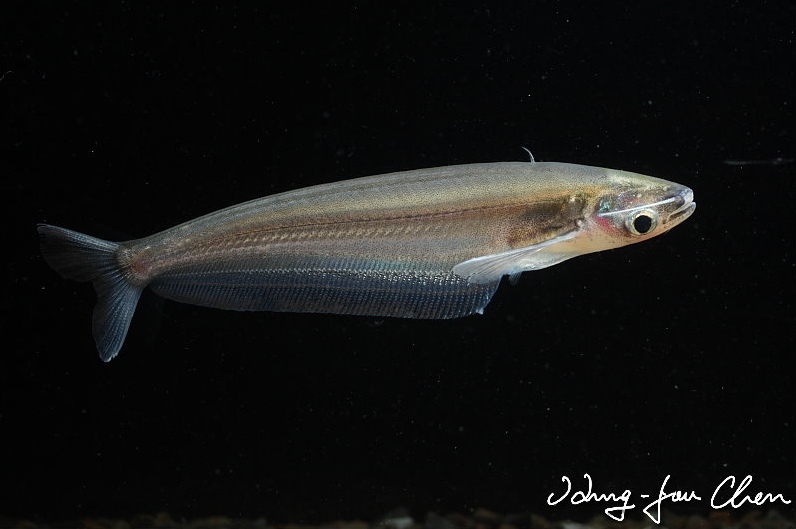
Kryptopterus cryptopterusBlue Sheatfish
Bleeker, 1851
Max length147mm SL6in SLTank120 × 45cm48 × 18inTemp20–27°C68–81°FpH6.0–7.5Known from the Malay Peninsula and Singapore plus Greater Sunda Islands of Sumatra, Borneo and Java in Indonesia with populati0ns from Thailand, Cambodia, Laos and Vietnam formerly considered as conspecific now referred to K. geminus (Ng, 2003). Type locality is given as 'Bandjarmassing' which corresponds to a town now more commonly referred to as 'Banjarmasin' in South Kalimantan (Kalimantan Selatan) province, Indonesia (Borneo).
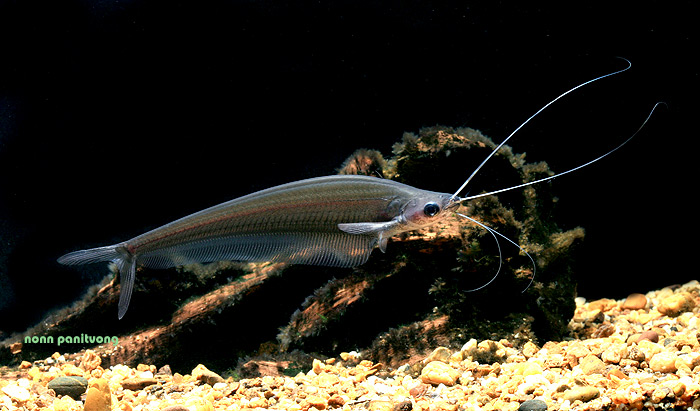
Kryptopterus limpok
Bleeker, 1852
Max length260mm SL10in SLTank240 × 60cm96 × 24inTemp20–28°C68–82°FpH6.0–7.5Type locality is 'Palembang, Sumatra, Indonesia', but this species is widely-distributed throughout much of Southeast Asia including major river systems in Thailand, Laos, Cambodia, Vietnam and Peninsular Malaysia plus the Greater Sunda Islands of Sumatra, Borneo and Java. It's been extensively recorded from the Mekong, Cha...
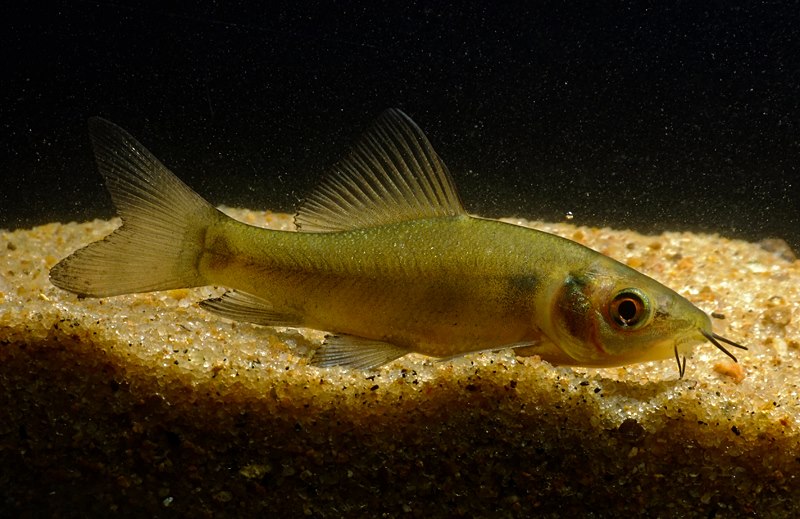
Labeo calbasuOrangefin Labeo
Hamilton, 1822
Max length800mm SL31in SLTanknot recordedTempnot recordedpHnot recordedThis species is extremely widespread and has been recorded from Pakistan, Nepal, most of India, Bangladesh, Myanmar and southern China. Type locality is 'Bengal and western provinces, India'.
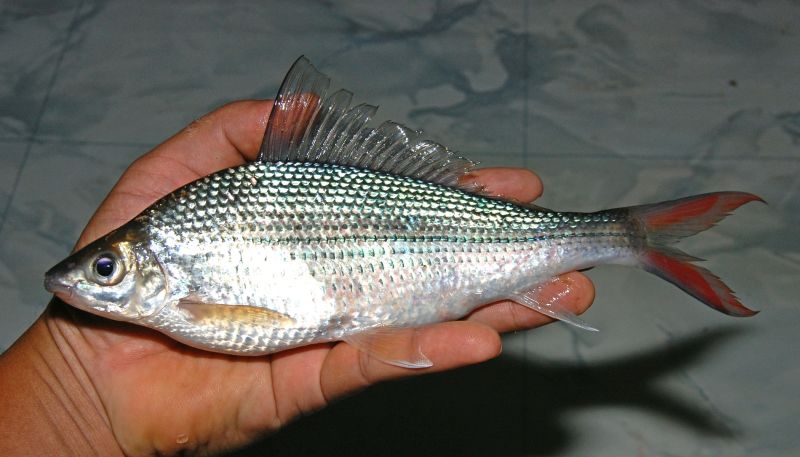
Labiobarbus fasciatus
Bleeker, 1853
Max length200mm SL8in SLTanknot recordedTempnot recordedpHnot recordedKnown from the Pahang River system in southern Peninsular Malaysia, and the Greater Sunda Islands of Sumatra and Borneo. On the latter records exist from the Kapuas, Barito, and Mahakam watersheds in Kalimantan, the Indonesian portion of the island Type locality is 'Pangabuang, Lampong Province, Sumatra, Indonesia'.
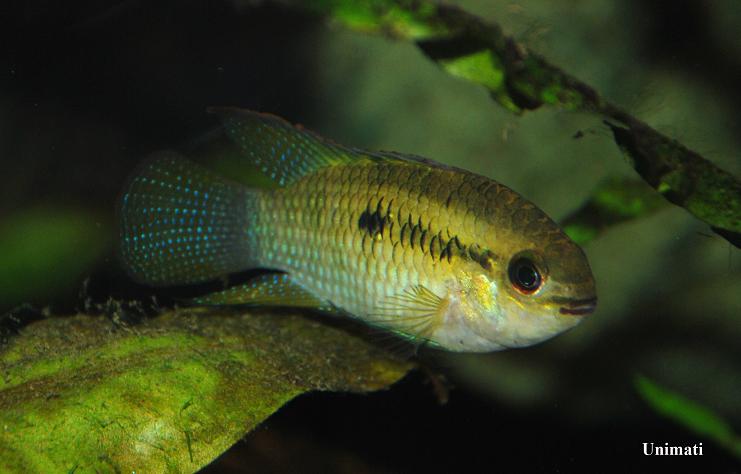
Laetacara curvicepsDwarf Flag Cichlid
Ahl, 1924
Max length50mm SL2.0in SLTanknot recordedTemp20–28°C68–82°FpH4.5–7.5Native to the lower Amazon river basin in Brazil with some populations exhibiting differences in colour pattern to one another, particularly in respect of the degree of red and blue pigmentation on the body and fins. Type locality is given simply as 'Amazon River, Brazil'. Field observations suggest it to display a pref...
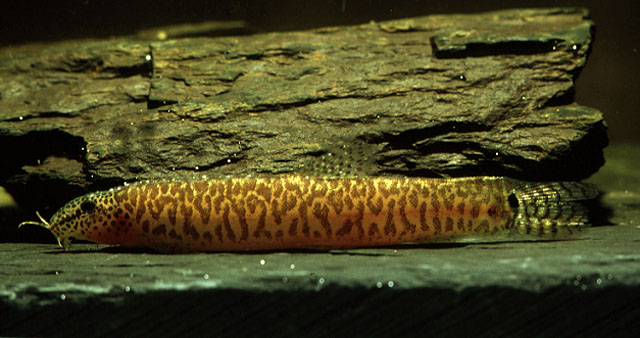
Lepidocephalichthys jonklaasi
Deraniyagala, 1956
Max length45mm SL1.8in SLTank60 × 30cm24 × 12inTemp20–25°C68–77°FpH5.5–7.5Endemic to Sri Lanka with type locality 'shaded pools of mountain streams at Akuressa, Southern Province, Sri Lanka, elevation 500 meters'. It's known from at least five localities, all of which are located in restricted to Sri Lanka's 'wet zone' in the southwest of the island, with records exis...
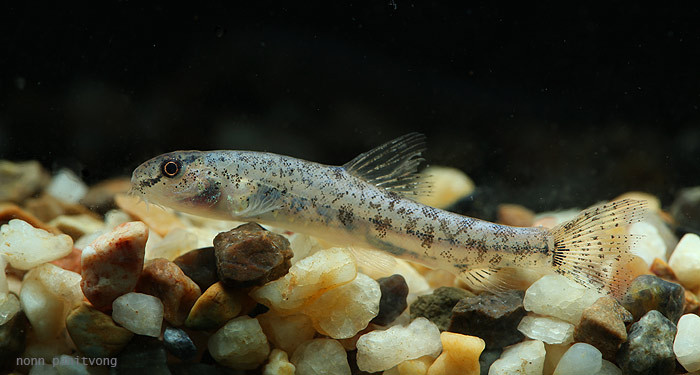
Lepidocephalichthys zeppelini
Havird & Tangjitjaroen, 2010
Max length26mm SL1.0in SLTank45 × 30cm18 × 12inTemp20–26°C68–79°FpH6.0–7.5The type locality consisted of remnant ephemeral pools in otherwise dry agricultural land, and many adults were collected from such habitats. Other species present included the congener L. hasselti plus members of Anabas, 'Puntius', Rasbora, Channa, and Hampala.
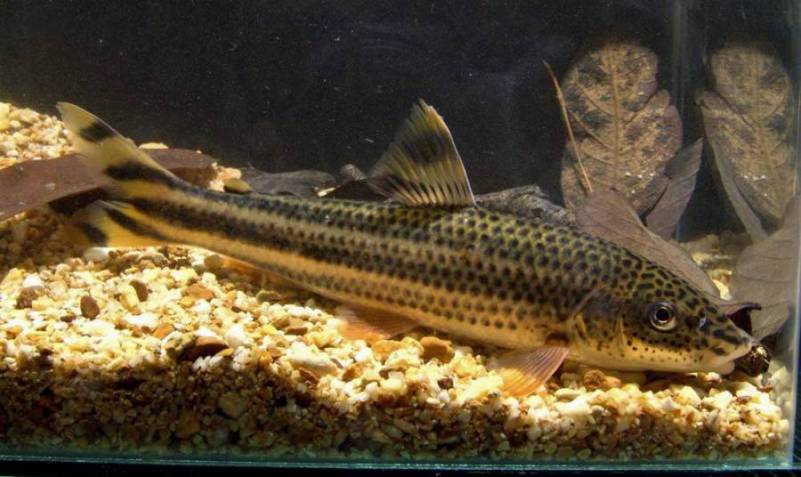
Leporellus vittatus
Valenciennes, 1850
Max length300mm SL12in SLTank210 × 60cm84 × 24inTemp18–26°C64–79°FpH5.5–7.5Type locality is given simply as 'Amazon River, Brazil' and according to current thinking this species has a huge natural range encompassing the Amazon River system in Brazil and Peru plus the Paraná-Paraguay drainage in southern Brazil and Paraguay and rio São Francisco basin in southern Brazil. Specimens in our images were collected fro...
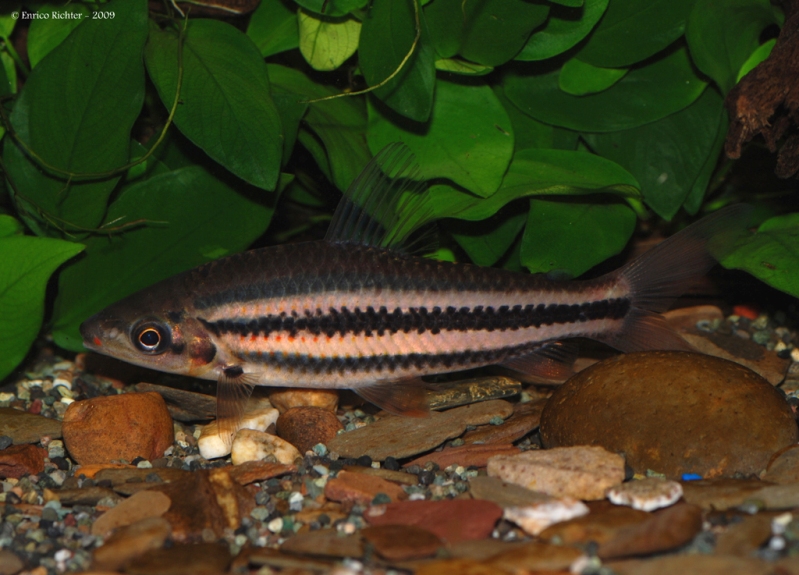
Leporinus arcusLipstick Leporinus
Eigenmann, 1912
Max length300mm SL12in SLTank210 × 60cm84 × 24inTemp20–28°C68–82°FpH6.0–7.5Type locality is 'Tukeit, Guyana', and this species is known from various river drainages of Venezuela, Guyana, Suriname and French Guiana including the Orinoco, Essequibo, and upper Courantyne (aka Corantijn) basins. Additional records exist from the upper Amazon basin in Guyana, these presumably corresponding to the Takutu river basin, itself part of the upper rio Branco.
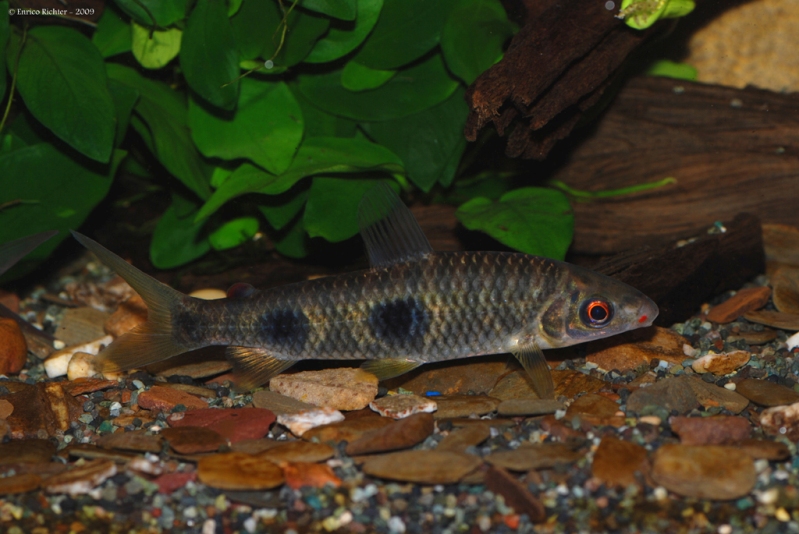
Leporinus copelandii
Steindachner, 1875
Max length200mm SL8in SLTank180 × 60cm72 × 24inTemp20–28°C68–82°FpH6.0–7.5Type locality is giev as 'Rio Parahyba and tributaries at Mendez; Juiz de Fora; River Doce; River São Matheos; Rio Jequitinhonha; Rio Quenda at Santa Cruz', all of which pertain to localities within the Paraíba do Sul and Doce river systems in Minas Gerais, Espírito Santo, rio de Janeiro and São Paulo states, southeastern Brazil.
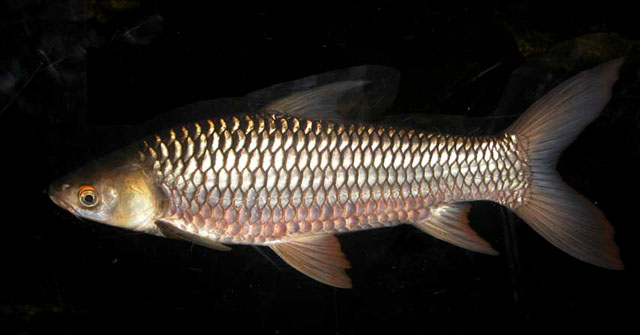
Leptobarbus hoeveniiMad Barb
Bleeker, 1851
Max length1000mm SL39in SLTanknot recordedTemp20–26°C68–79°FpH6.0–8.0Apparently native to Peninsular Malaysia plus the Greater Sunda Islands of Borneo, Sumatra, and Java. Reports of this species from the Mekong, Chao Phraya, and other rivers in Indochina refer to the congener L. rubripinna (see 'Notes'). Type locality is 'Indonesia: Borneo: Kalimantan Selatan: Banjarmasin'.
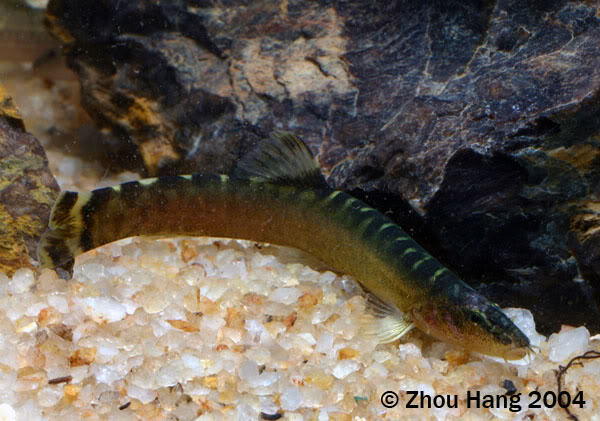
Leptobotia guilinensis
Chen, 1980
Max length100mm SL3.9in SLTank120 × 30cm48 × 12inTemp15.5–21°C60–70°FpH6.5–7.5L. elongata is the type species of the genus but according to current knowledge there exist 13 members in total, all of which are endemic to China and northern Vietnam. They're diagnosable by the following shared characters: possession of a simple (non-bifurcated), short sub-ocular spine not extending beyond the posterior edge of the eye; a laterally-compressed body; relatively deep caudal peduncle; pelvic fins reaching origin of anal-fin; anus below base of dorsal-fin and equidistant between pelvic and anal-fin origins.
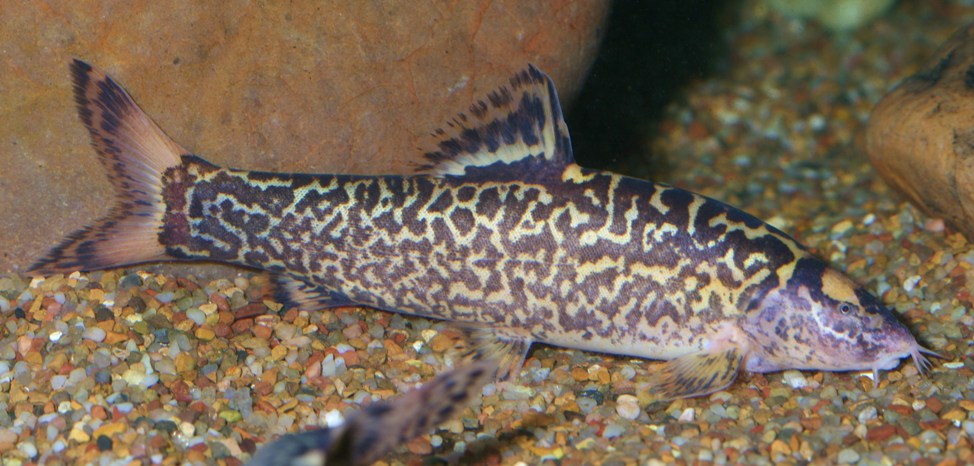
Leptobotia taeniops
Sauvage, 1878
Max length150mm SL6in SLTank120 × 45cm48 × 18inTemp15.5–21°C60–70°FpH6.5–7.5L. taeniops is almost unheard of in the aquarium trade although we know of one or two private collectors maintaining it. It was previously included in the related genus Parabotia. L. elongata is the type species of the genus but according to current thinking there exi...
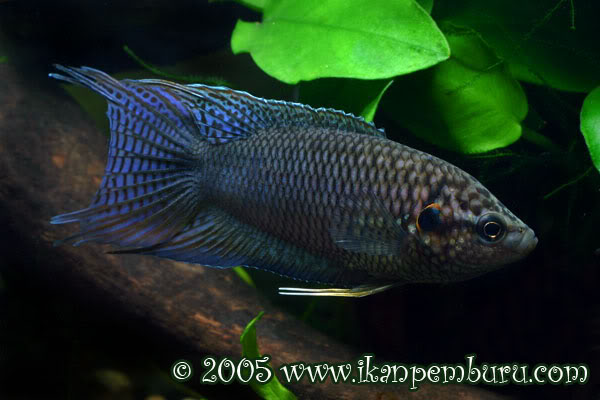
Macropodus hongkongensis
Freyhof & Herder, 2002
Max length70mm SL2.8in SLTank80 × 30cm31 × 12inTemp15–25°C59–77°FpH6.0–8.0In 1996 the species was known from five localities in Hong Kong, but at least one of these has been destroyed and it is now known only from Tai Po and Sai Kung districts. Additional populations have subsequently been discovered in Guangdong and Fujian provinces on the southern Chinese mainland. Type locality is 'China: Hong Kong: Tai Po: Sha Lo Tung'.
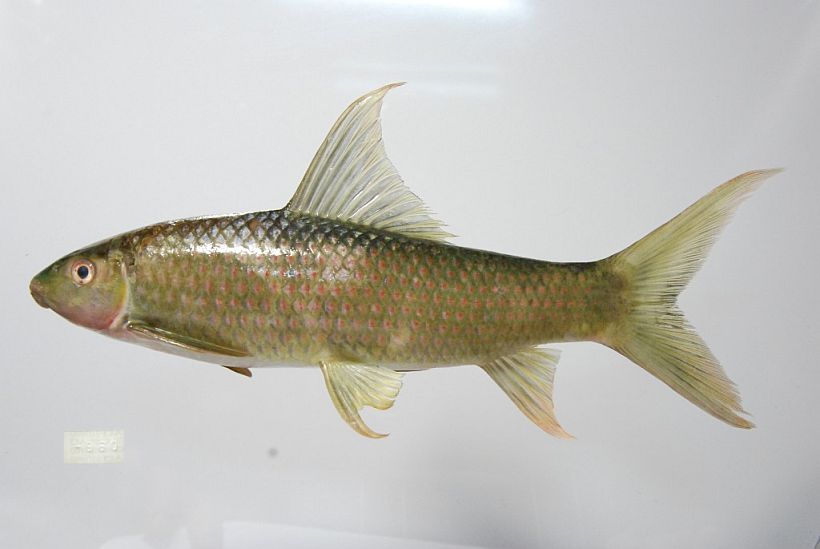
Mekongina erythrospila
Fowler, 1937
Max length450mm SL18in SLTanknot recordedTemp20–26°C68–79°FpH6.0–8.0Endemic to the middle and lower Mekong River system in Laos, Thailand, Cambodia, and Vietnam. Its known range extends from Chiang Rai province, Thailand in the north to Kratie province, Cambodia in the south, and it occurs in several important tributary systems including the Sesan, Srepok, and Tonlé Sap. Type locality is 'Mekong River at Kemarat, Thailand'.