Results for “base”
Type a name: scientific, common, or one a species used to go by. Or narrow the catalogue with the filters.
Filters
Hemigrammus stictusRed-base Tetra
authority not recorded
Matched on the common name Red-base Tetra
Max length60mm SL2.4in SLTank60 × 38cm24 × 15inTemp23–27°C73–81°FpH5.5–7.0Not often seen for sale, but occasionally shows up as a contaminant among imports of more popular species. It's a subtly attractive species when in good condition. Like all Hemigrammus, the taxonomic status of this species is currently Incertae Sedis, meaning uncertain. The genus is currently used as something of a catch-all for over 70 species of small characin. Most experts agree that a full revision is required, with the likely outcome that many species will be placed into new or diff...
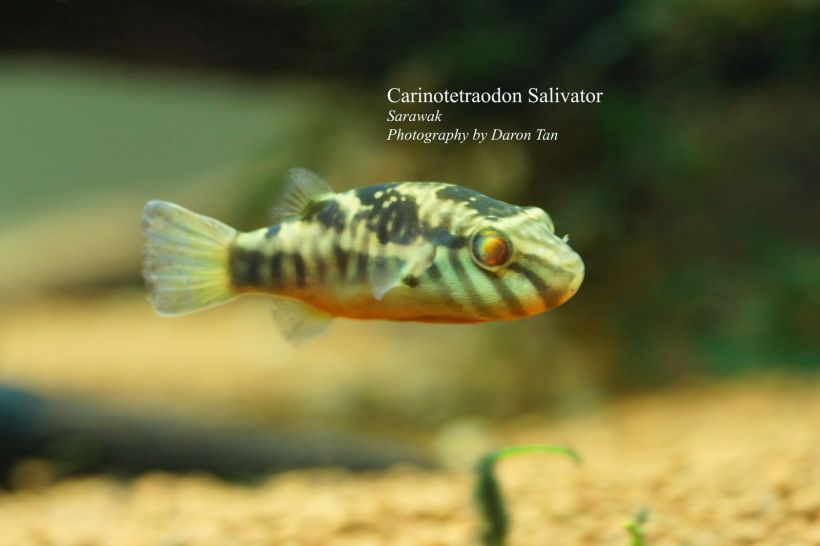
Carinotetraodon salivator
Lim & Kottelat, 1995
Max length50mm SL2.0in SLTank60 × 30cm24 × 12inTemp20–28°C68–82°FpH5.0–7.5It is included in a group often referred to as 'red-eyed puffers', which currently contains four recognised species distributed in Indochina and the Greater Sunda Islands. It can be distinguished from C. borneensis, C. irrubesco, and C. lorteti, the remaining members of this group, by the following combination of characters: 11 dorsal-fin rays; 16 pectoral-fin rays; 11-13 anal-fin rays; 11 caudal-fin rays; eyes not bulging above the head; in males dorsal-fin hyaline, black spot on dorsal-fin base present, pectoral-fin base hyaline, anal-fin hyaline with no black spot at base...
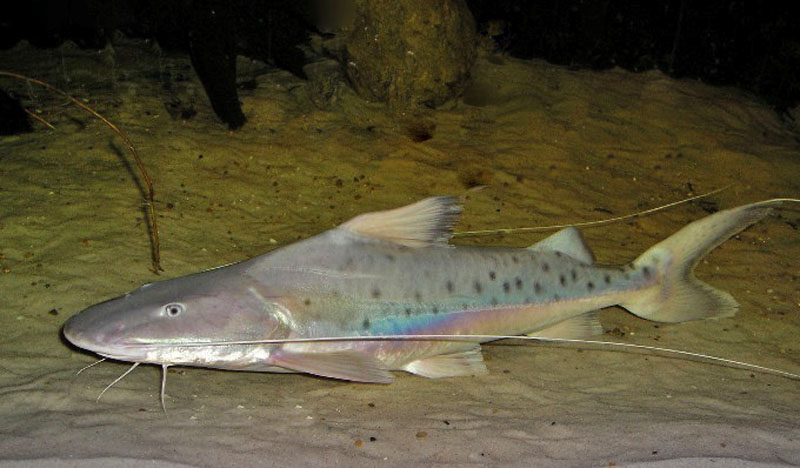
Brachyplatystoma capapretum
Lundberg & Akama, 2005
Max length880mm SL35in SLTanknot recordedTemp22–28°C72–82°FpH6.0–8.0This species can be told apart from the very similar-looking congener B. filamentosum by its smaller adult size (B. filamentosum can grow to almost 3 m in length), shorter maxillary barbels (never extending beyond base of adipose fin (vs. extending beyond base of adipose fin), moderately-forked with lobes of equal size (vs. deeply-forked caudal fin with upper lobe usually longer than the lower) and body col...
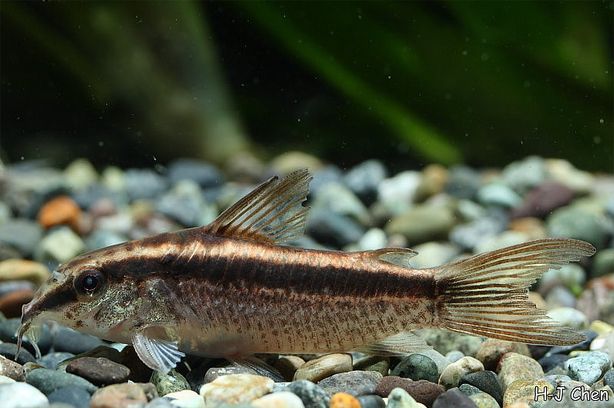
Corydoras gracilis
Nijssen & Isbrücker, 1976
Max length40mm SL1.6in SLTank60 × 30cm24 × 12inTemp20–26°C68–79°FpH5.0–7.5It can be distinguished from the majority of other Corydoras species by its distinctive colour pattern, comprising a uniform, lightish base pigmentation with a dark arched stripe extending over the upper portion of each flank, from the tip of the snout to the caudal-fin base. This is shared with a few congeners, however, including C. arcuatus, C. narcissus, and C. urucu.
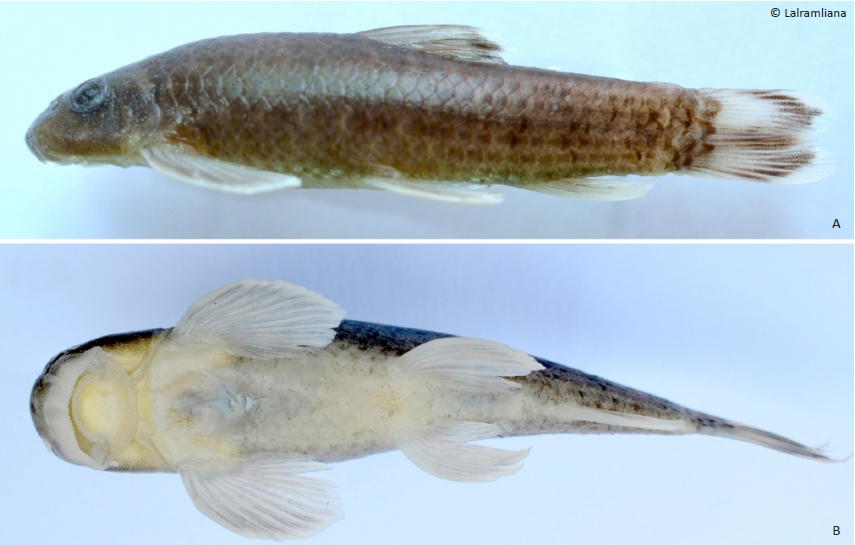
Garra dampaensis
Laironunga, Lainuntluanga & Lairamliana, 2013
Max length55mm SL2.2in SLTanknot recordedTempnot recordedpHnot recordedThis species can be told apart from Indian congeners by the following combination of characters: no transverse groove or proboscis on the snout; tip of dorsal fin falcate; long axillary scale present at the base of pelvic fin, reaching base of last pelvic fin ray; 27–29 lateral-line scales, 10–11 regularly arranged predorsal scales; W-shaped black band across middle of caudal fin; presence of scales on the abdomen.
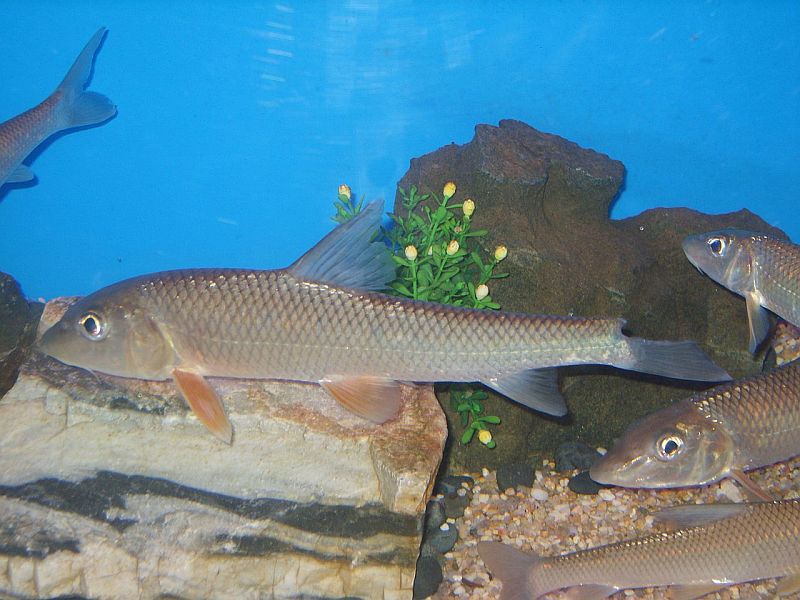
Hemibarbus labeoBarbel Steed
Pallas, 1776
Max length450mm SL18in SLTanknot recordedTempnot recordedpHnot recordedThis species can be distinguished from other members of the genus by the following combination of characters: absence of dark spots on body in adults; body elongate with slightly convex dorsal profile; head longer than body is deep; snout much longer than postorbital head length; lips well developed, lateral lobes of lower lip broad and thick with folds, median process small; barbel thickness shorter or equal to eye diameter; dorsal spine strong, ⅔ of HL; dorsal-fin origin closer to tip of snout than caudal-fin base base; 15+ gill rakers; 6½ branched anal-fin rays; posterior simple dorsal-fin rays ossified and spinous.
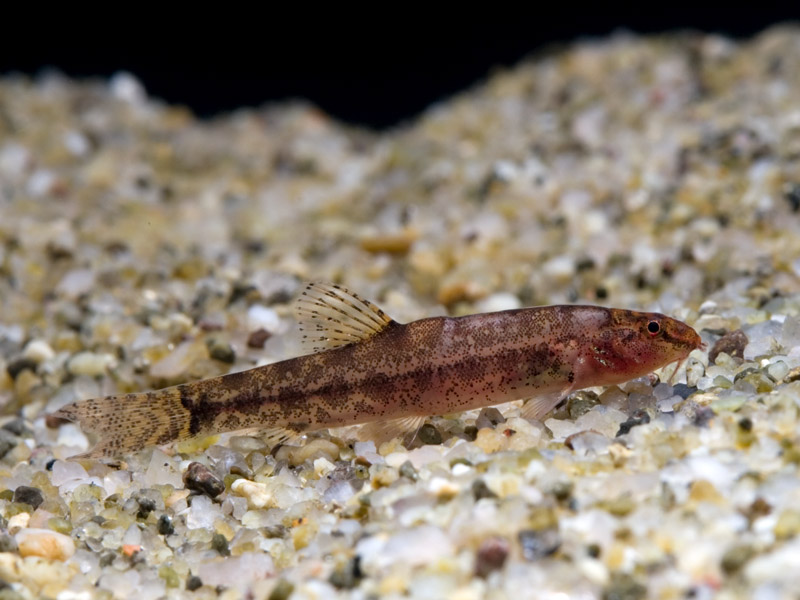
Lepidocephalichthys furcatus
de Beaufort, 1933
Max length50mm SL2.0in SLTank45 × 30cm18 × 12inTemp23–26°C73–79°FpH5.5–7.5This species is not traded often but is occasionally available as bycatch among shipments of other species. It can be told apart from congeners most easily by the prominent, dorsally-orientated, roughly semi-circular lamina circularis in males, a feature unique within the genus. Other distinguishing characters include a combination of: forked caudal-fin; relatively small adult size; dark <-shaped mark at the base of the caudal-fin; a black spot at the base of branched caudal-fin rays 3-5.
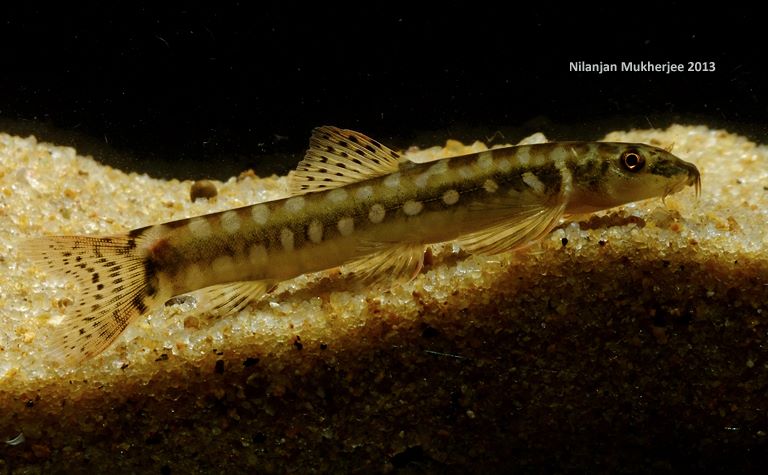
Mesonoemacheilus guentheri
Day, 1867
Max length60mm SL2.4in SLTank60 × 30cm24 × 12inTemp19–25.5°C66–78°FpH6.0–7.5However, according to the identification key of Rema Devi and Indra (2002), the two can be distinguished by a combination of factors as follows: body spots rounded in shape (vs. 'Y' or 'V' shaped in M. herrei); caudal peduncle relatively long (vs. relatively short); anal-fin not reaching base of caudal-fin (vs. anal-fin reaching base of caudal-fin); caudal peduncle with a dark band (vs. caudal peduncle with a dark spot); sub...
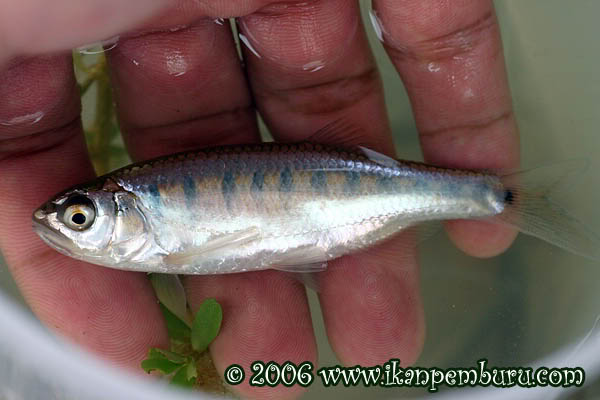
Opsarius caudiocellatus
Chu, 1984
Max length86mm SL3.4in SLTank150 × 45cm60 × 18inTemp18–24°C64–75°FpH6.5–8.0This species may have appeared in the aquarium trade though probably not under the correct name. It can be told apart from similar-looking congeners by the following combination of characters: presence of a black round spot at the caudal base; dorsal-fin rays black with connecting membranes transparent; posterior dorsal-fin origin located midway between upper angle of gill aperture and caudal-fin base, or slightly closer to the latter.
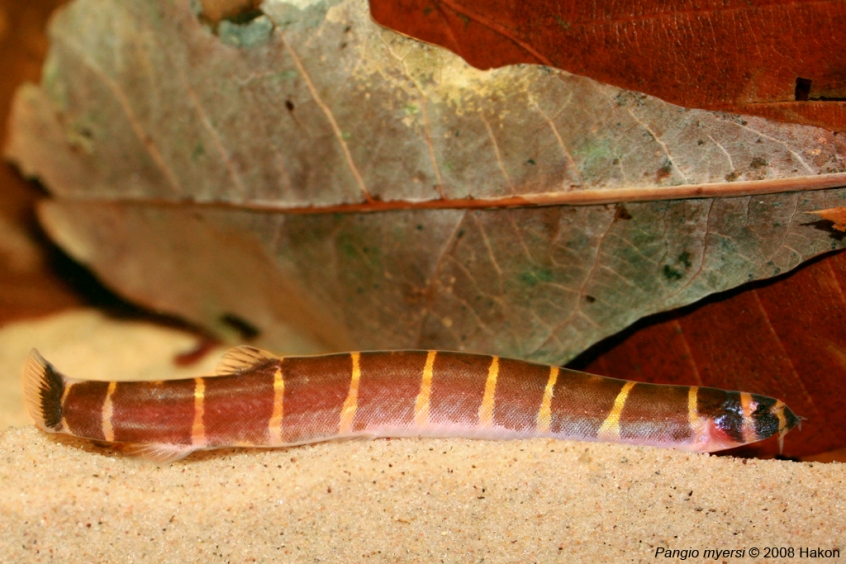
Pangio myersiGiant Kuhli Loach
Harry, 1949
Max length100mm SL3.9in SLTank60 × 30cm24 × 12inTemp21–26°C70–79°FpH3.5–7.0It's included in the P. kuhlii group of closely-related species and can be distinguished from other members by the following combination of characters: 8-11 very broad, quadrangular, regular dark body bars; orange base body colour; caudal-fin either entirely black or with a large black blotch at the base and a submarginal dark bar or row of spots. The latter feature can be useful in identifying young or newly-imported, undernourished specimens which can...
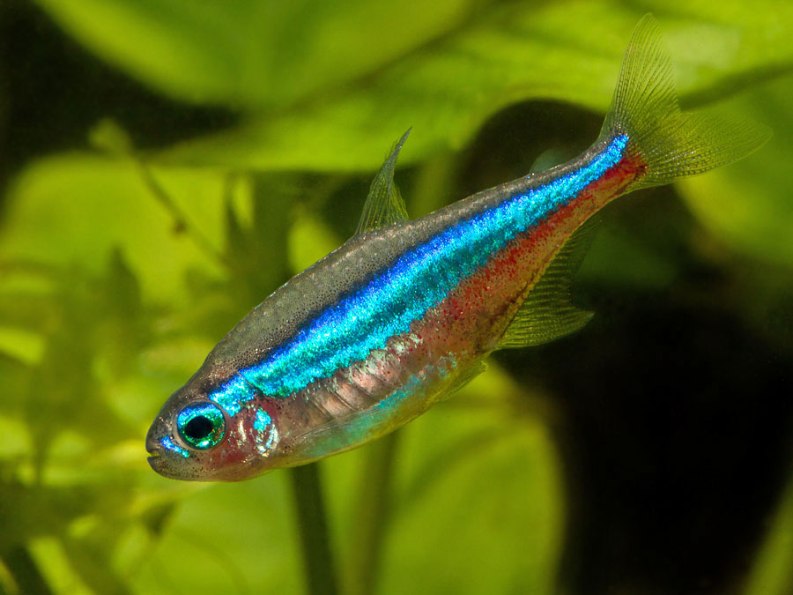
Paracheirodon simulansGreen Neon Tetra
Géry, 1963
Max length25mm SL1.0in SLTank45 × 30cm18 × 12inTemp21–35°C70–95°FpH3.0–6.5For aquarists perhaps more useful are the subtle differences in colour pattern with P. simulans differing from both P. innesi and P. axelrodi in possessing a greener (vs. bluer) lateral stripe which covers more (vs. less) of the eye/head and extends to the caudal-fin base (vs. terminating anterior to caudal-fin base), a lesser (vs. greater) amount of relatively duller (vs. brighter) red pigmentation on the flanks. The taxonomic history of all three species is complicated with earlier authors such as Géry (1960, 1977) ten...
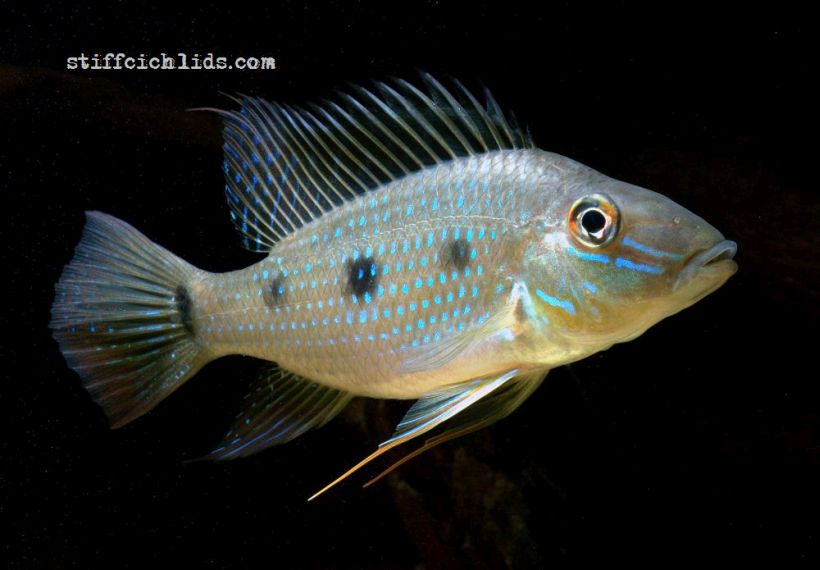
Satanoperca acuticepsSharphead Eartheater
Heckel, 1840
Max length170mm SL7in SLTank180 × 60cm72 × 24inTemp20–28°C68–82°FpH5.5–7.5This species is relatively rare in the ornamental trade, where it is sometimes confused with its similarly-patterned congeners S. daemon and S. lilith. These three species all possess 1-3 dark blotches on the side of the body and a relatively large ocellus on the upper caudal-fin base, characters that immediately separate them from the remainder of the genus which lack blotches on the body and have a relatively small ocellus on the upper caudal-fin base.
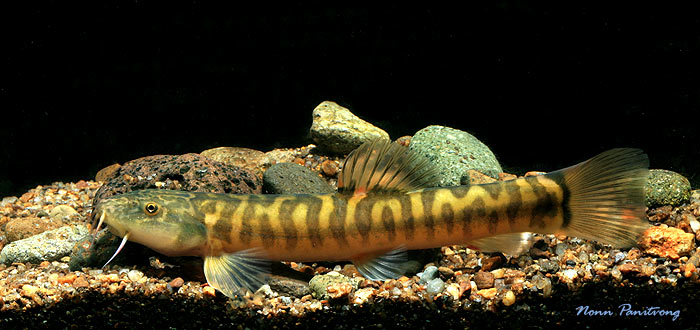
Schistura schultzi
Smith, 1945
Max length93mm SL3.7in SLTank120 × 30cm48 × 12inTemp16–24°C61–75°FpH6.0–8.0There appears to be some discrepancy between Smith's original description and Kottelat (1990) in that Smith states the fish is a member of a group of species lacking an ocellus at the upper caudal-fin base, whereas Kottelat mentions the presence of 'a black spot at upper extremity of caudal-fin base, surrounded by a whitish area'.
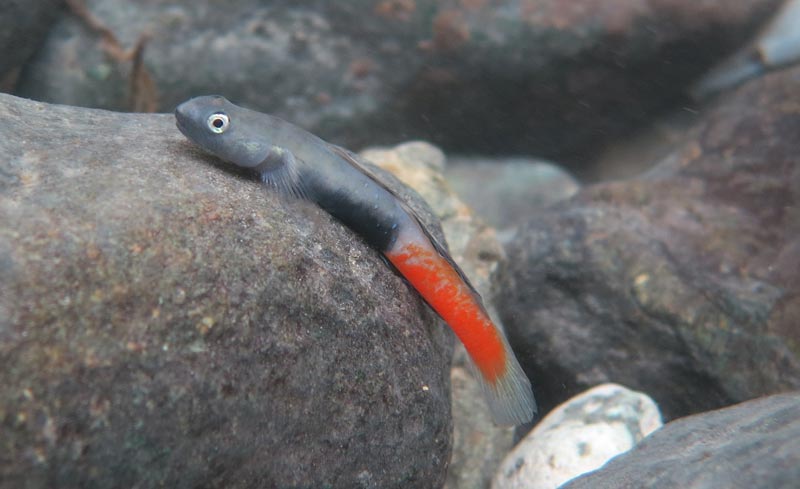
Sicyopus cebuensis
Chen & Shao, 1998
Max length45mm SL1.8in SLTank60 × 30cm24 × 12inTemp22–28°C72–82°FpH6.5–7.5This species is not in the aquarium trade though is maintained by a few private collectors. It can be distinguished from all other members of the genus by the following combination of characters: first dorsal-fin withfirst dorsal-fin elongate in males; anterior portion of body with loosely-arranged ctenoid scales; head, entire nape to first dorsal-fin base, pectoral base, and belly naked; male colour pattern comprising creamy-yellow anterior portion of body with dark blotch at midbody and bright orange/red in postero...
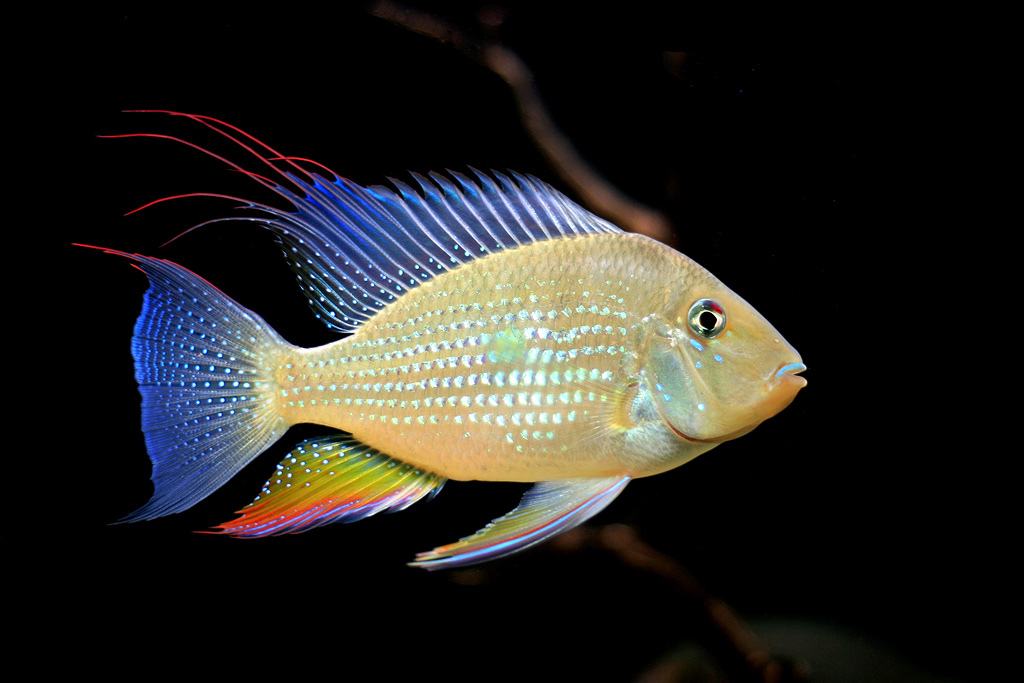
Acarichthys heckeliiThreadfin Acara
Müller & Troschel, 1849
Max length200mm SL8in SLTanknot recordedTemp24–30°C75–86°FpH6.0–8.0The genus Acarichthys remains monotypic and was resdescribed by Kullander (1986) who characterised it by the following: lack of epibranchial lobe; comparatively few (12-14)rays; pelvic fins with relatively broad tips (branches of the first ray are equal in length or the inner is slightly longer); possession of a single supraneural plus 14-15 vertebrae (these characters taken as a combination); no caudal extensions to swim bladder; no caudal ribs. Its current taxonomic position is based largel...
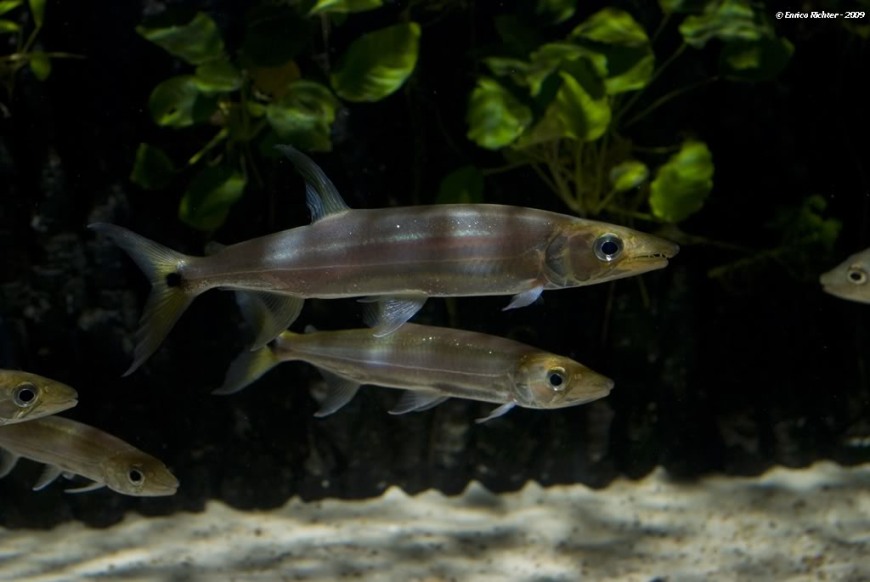
Acestrorhynchus falcirostrisBig-Eyed Cachorro
Cuvier, 1819
Max length350mm SL14in SLTank250 × 90cm98 × 36inTemp22–28°C72–82°FpH6.0–7.5This species is a member of the putative A. nasutus group of closely-related species within the genus alongside A. nasutus, A. maculipinna and A. isalineae. These are characterised by possession of two dark, longitudinal stripes, one running from the tip of the snout to the base and the other from the posterior edge of the lower maxilla to the underside of the caudal peduncle.
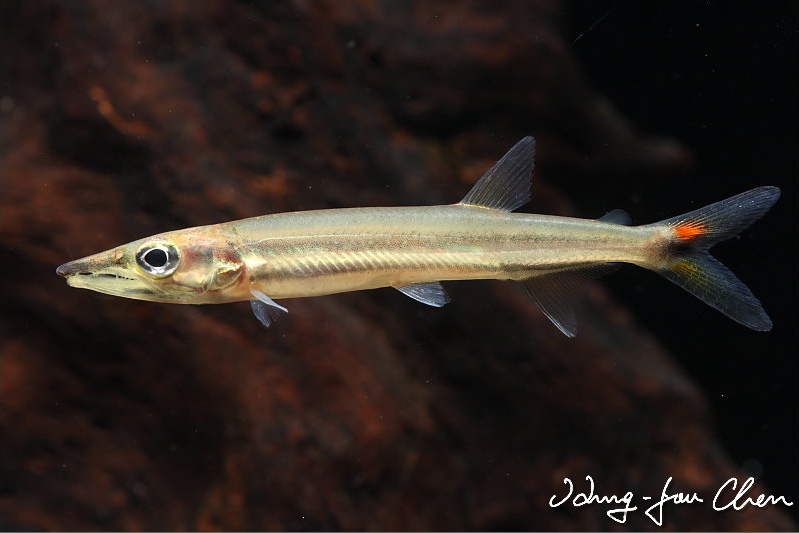
Acestrorhynchus isalineaeStriped Barracuda Tetra
Menezes & Géry, 1983
Max length105mm SL4in SLTank120 × 45cm48 × 18inTemp24–28°C75–82°FpH6.0–7.5This species is a member of the putative A. nasutus group of closely-related species within the genus alongside A. nasutus, A. maculipinna and A. isalineae. These are all characterised by possession of two dark, longitudinal stripes, one running from the tip of the snout to the base and the other from the posterior edge of the lower maxilla to the underside of the caudal peduncle.
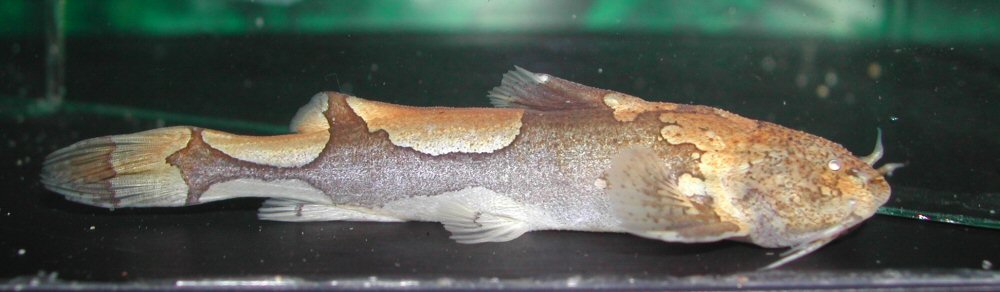
Akysis longifilisSittaung Stream Catfish
Ng, 2006
Max length53mm SL2.1in SLTank45 × 30cm18 × 12inTemp16.5–24°C62–75°FpH6.0–7.5This species is among the few members of the family to have been exported for the aquarium hobby. It can be differentiated from all other Akysis species by the following combination of characters: base of...
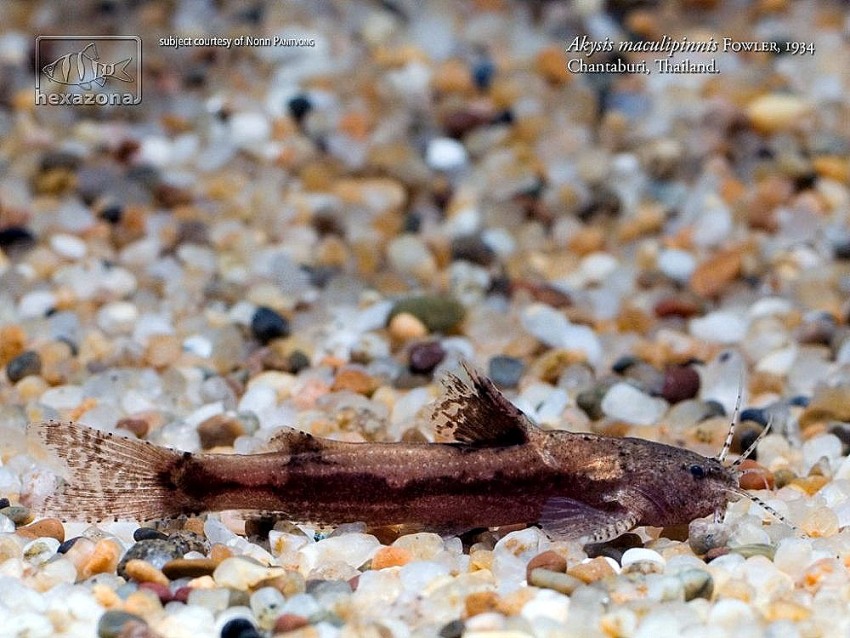
Akysis maculipinnisSpotfin Stream Catfish
Fowler, 1934
Max length35mm SL1.4in SLTank45 × 30cm18 × 12inTemp16.5–24°C62–75°FpH6.0–7.5This species has been exported for the aquarium hobby and ranks among the smaller members of the family. It can be differentiated from all other Akysis species by the following combination of characters: head length 22.0-28.6% of standard length (SL); caudal peduncle depth 8.8-10.7% of SL; anal-fin base length 15.2-19.1% of SL; eye diameter 12-16% of head length (HL); nasal barbel length 57 92% of HL; posession of 3-4 serrae on the posterior edge ofspine; body patterning mottled with indistinct ...
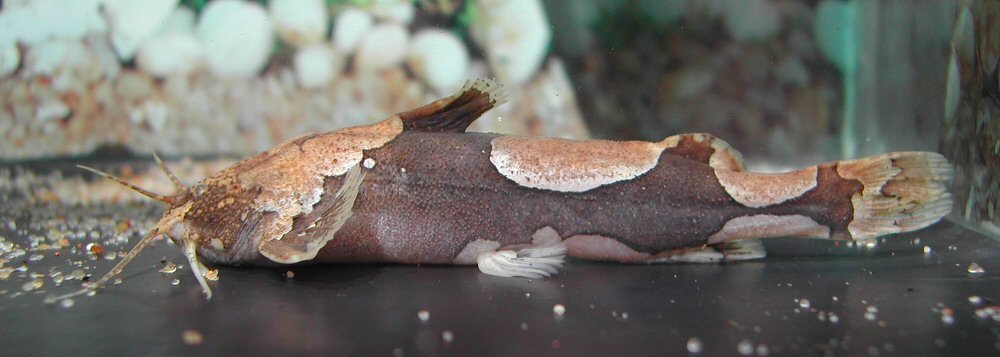
Akysis portellusSmallmouth Stream Catfish
Ng, 2009
Max length43mm SL1.7in SLTank45 × 30cm18 × 12inTemp16.5–24°C62–75°FpH6.0–7.5This species is among the few members of the family to have been exported for the aquarium hobby. It can be differentiated from all other Akysis species by the following combination of characters: base ofmeasures 17.1-19.2% of standard length (S...