Results for “biotope”
Type a name: scientific, common, or one a species used to go by. Or narrow the catalogue with the filters.
Filters
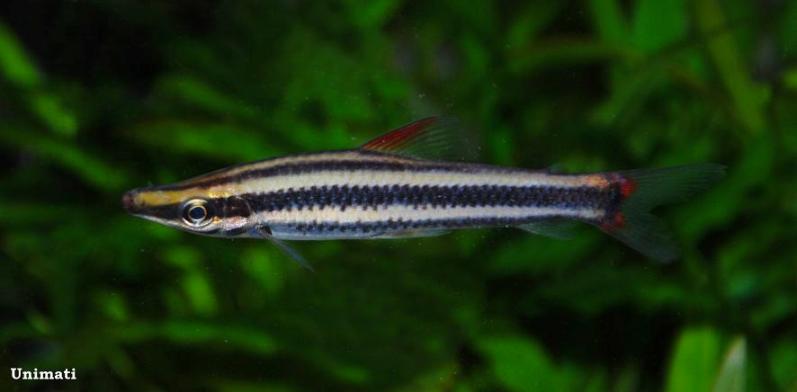
Anostomus anostomusStriped Headstander
Linnaeus, 1758
Max length200mm SL8in SLTank120 × 30cm48 × 12inTemp20–28°C68–82°FpH5.5–7.5A biotope-style set-up could consist of a sandy substrate, piles of smooth rocks and driftwood roots and branches, some of which should penetrate the water surface. Aquatic vegetation can be included if you wish but is likely to be eaten.
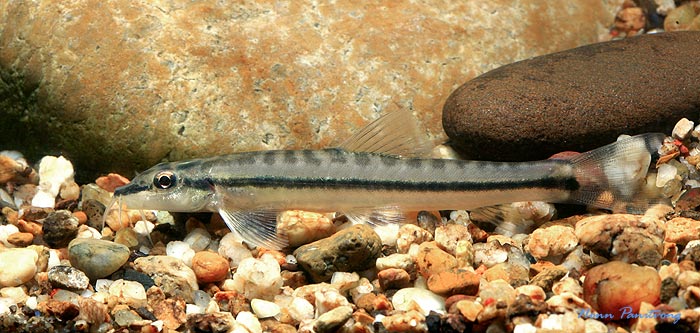
Nemacheilus longistriatusLaos Blackline Torpedo Loach
Kottelat, 1990
Max length125mm SL5in SLTank90 × 30cm36 × 12inTemp23–26°C73–79°FpH6.5–7.5Fishes which inhabit similar biotopes in nature constitute the best options, especially peaceful, open water-dwelling cyprinids since the presence of one or two schools can make a visible difference to the confidence of this naturally reclusive loach. Other possibilities include rheoph...
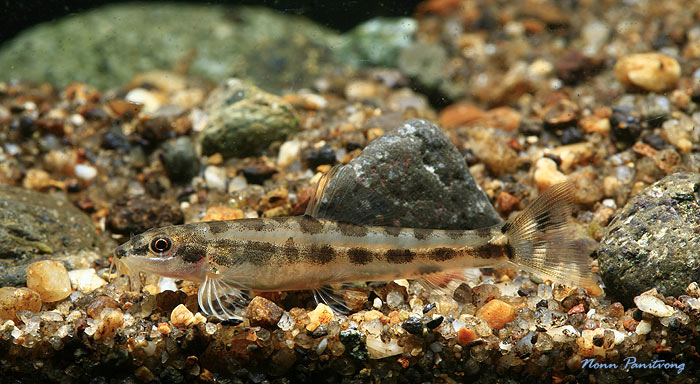
Schistura geisleri
Kottelat, 1990
Max length35mm SL1.4in SLTank60 × 30cm24 × 12inTemp21–26°C70–79°FpH6.0–7.5Fishes which inhabit similar biotopes in nature constitute the best options, especially peaceful, open water-dwelling cyprinids since the presence of one or two schools can make a visible difference to the confidence of this naturally reclusive loach.
Synodontis brichardiBrichard's Synodontis
authority not recorded
Max length150mm SL6in SLTank120 × 30cm48 × 12inTemp22–26°C72–79°FpH6.2–7.5An unusual and highly adapted species, S. brichardi is one of our favourite Synos and really deserves to be kept in a biotope aquarium to be appreciated at its best. Here, it will be seen moving in and out of areas of high and low current and rasping at algae attached to rocks as in nature. It is much more diurnal than many Synodontis species, if maintained correctly. The colours of this fish intensify with age....