Results for “detritus”
Type a name: scientific, common, or one a species used to go by. Or narrow the catalogue with the filters.
Filters
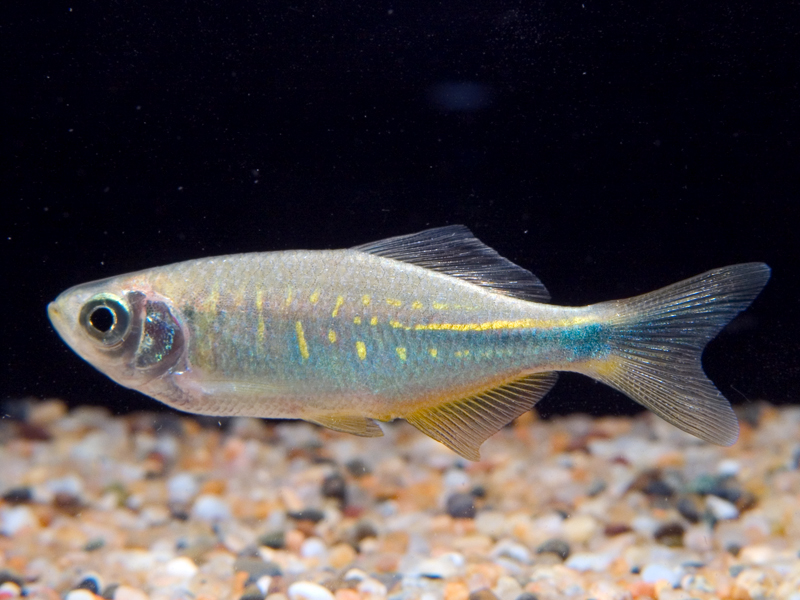
Devario devarioBengal Danio
Hamilton, 1822
Max length80mm SL3.1in SLTank120 × 45cm48 × 18inTemp15–26°C59–79°FpH6.0–8.0Ecological studies have revealed this species to be more of a generalist than its chiefly insectivorous congeners. Aquatic and terrestrial insects form a significant proportion of the diet, but substantial amounts of filamentous algae and diatoms are consumed with water mites, fish scales, isopods, nematodes and detritus also taken occasionally. In the aquarium it's largely unfu...
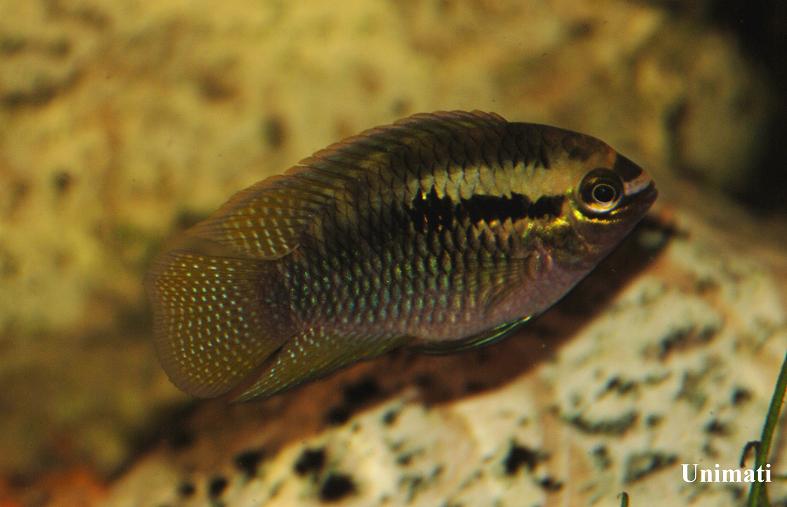
Laetacara dorsigeraRedbreast Acara
Heckel, 1840
Max length37mm SL1.5in SLTanknot recordedTemp20–28°C68–82°FpH5.0–7.5Wild fish are probably foragers feeding on algae, organic detritus, small insects, worms, crustaceans, and other zooplankton. In the aquarium it's easily-fed but the best condition and colours offer regular meals of small live and frozen foods such as bloodworm, Daphnia, and Artemia, alongside good quality dried flakes and granules, at least some of which should include additional plant or algal content.
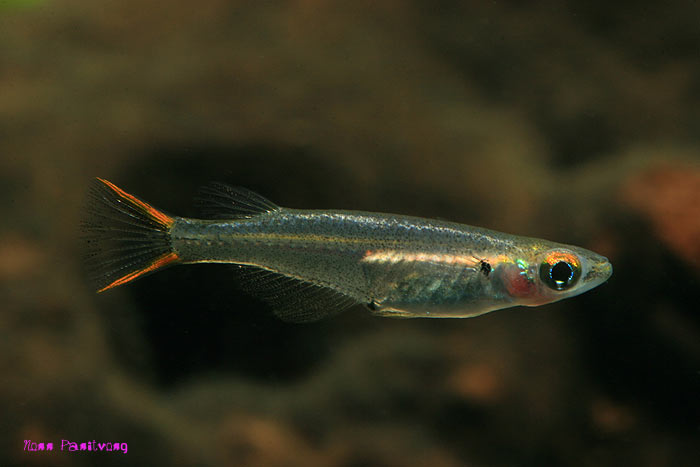
Oryzias songkhramensis
Magtoon, 2010
Max length20mm SL0.8in SLTank40 × 20cm16 × 8inTemp23–30°C73–86°FpH6.0–7.5An exclusive inhabitant of fresh, normally standing, waters including shallow pools, ditches, rice paddies and clear water swamps. The type locality is a small ditch measuring just 3 - 6 metres in width and 0.5 - 2 metres deep. The water was clear and the substrate composed of sand, detritus and mud with growths of the macrophytes Nymphaea lotus, Jussiaea repens and Hydrilla verticillata.