Results for “dispersal”
Type a name: scientific, common, or one a species used to go by. Or narrow the catalogue with the filters.
Filters
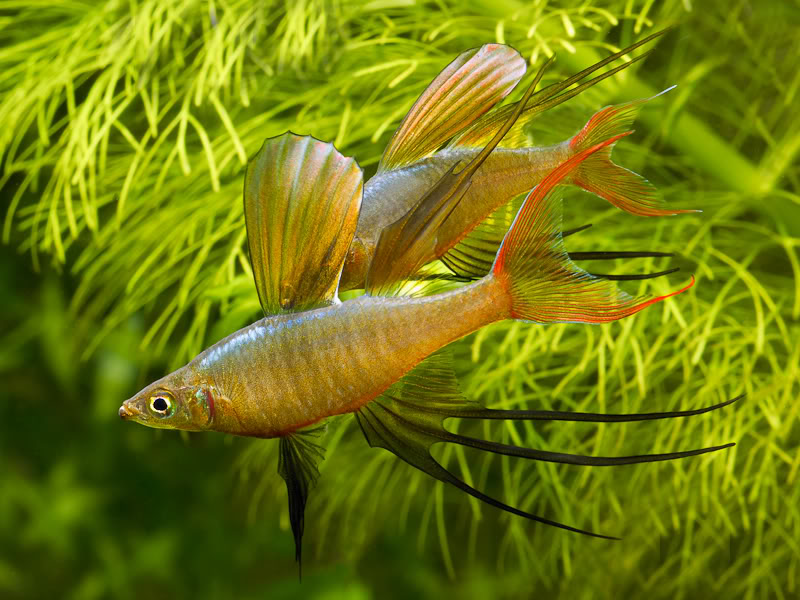
Iriatherina werneriThreadfin Rainbowfish
Meinken, 1974
Max length40mm SL1.6in SLTank60 × 30cm24 × 12inTemp22–30°C72–86°FpH5.0–8.0There also exists a sister-group relationship between the Melanotaeniidae and Malagasy family Bedotiidae, which may seem surprising given their respective modern-day distributional patterns. The precise origin and subsequent dispersal of the two families has been the subject of debate, with some palentologists suggesting that Madagascar's freshwater fishes derived froma trans-oceanic dispersal during the Cenozoic Era, but the most compelling arguments currently indicate a freshwater radiation which occurred during the Mezozoic break-up of Gondwana.
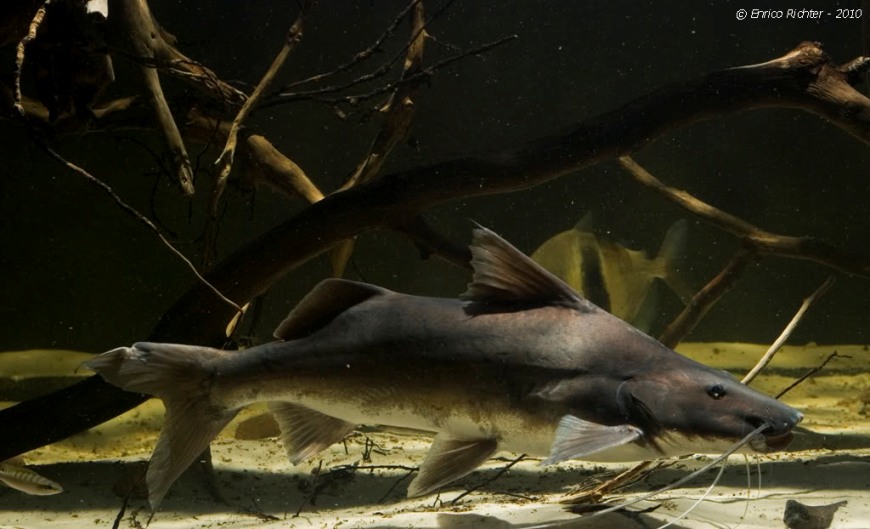
Brachyplatystoma vaillantii
Valenciennes, 1840
Max length1050mm SL41in SLTanknot recordedTemp22–28°C72–82°FpH6.0–8.0This rich feeding ground is exploited until the sea water returns, at which point the catfishes begin to migrate upstream in massive numbers, moving up the Amazon and its tributaries. Sexually mature individuals are not normally recorded during these events so they're thought related to feeding and dispersal rather than spawning. The fish are subject to intensive capture by commercial and artisanal fishing operations during this upstream movement.
Cichlasoma trimaculatumThree Spot Cichlid
authority not recorded
Max length400mm SL16in SLTank122 × 38cm48 × 15inTemp23–30°C73–86°FpH7.0Cichlasoma Trimaculatus is a large colourful cichlid, if a little aggressive. It is believed to be one of the fish that was used to create the hybrid Flowerhorn cichlid. We prefer it in its natural state. As with most large cichlids they can be fairly messy eaters so ensure decent filtration is provided. It is recommended to use a spraybar to disperse the water returning to the tank as trimacs will not appreciate strong flow....
Pseudocrenilabrus philanderSouthern Mouth-Brooder
authority not recorded
Max length75mm SL3.0in SLTank120 × 30cm48 × 12inTemp22–25°C72–77°FpH6.5–7.5This species is not often seen in the hobby, which is a pity as it is a stunning fish with interesting behaviour. If you do manage to get some, be sure to provide the best possible conditions from the start, as they appear to travel quite badly and losses are common. There are currently 3 subspecies, Pseudocrenilabrus philander philander, P. p. dispersus and P. p. luebberti. However, recent studies suggest as many as 11 distinct populations exist, differing in location, colour, patterning, be...