Results for “ecological niche”
Type a name: scientific, common, or one a species used to go by. Or narrow the catalogue with the filters.
Filters
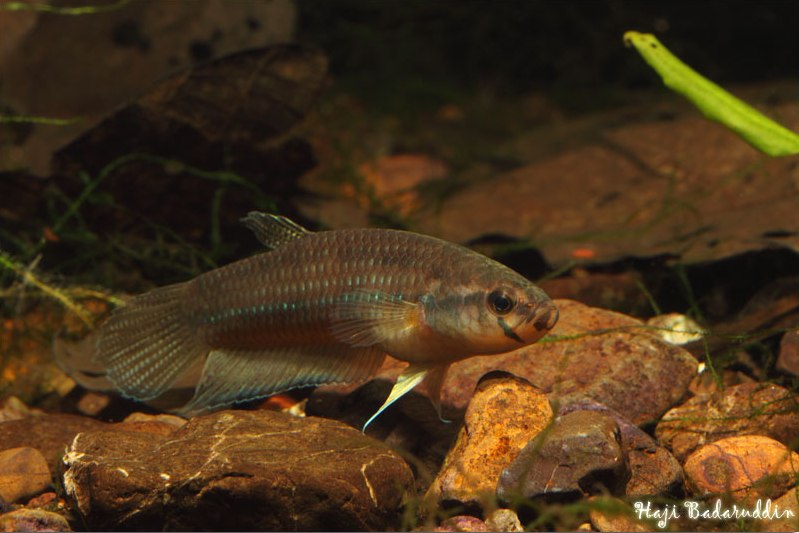
Betta antoni
Tan & Ng, 2006
Max length50mm SL2.0in SLTank60 × 30cm24 × 12inTemp22–27°C72–81°FpH5.5–7.0The genus Betta is the most speciose within the family Osphronemidae with almost 70 recognised members and looks set to grow further with new ones continuing to be described on a regular basis since the turn of the century. Member species have successfully adapted to inhabit a variety of ecological niches from stagnant ditches to flowing hill streams including some extreme environments such as highly acidic peat swamp forests.
Callochromis macropsBig-eyed Mouthbrooder
authority not recorded
Max length135mm SL5in SLTank120 × 45cm48 × 18inTemp24–27°C75–81°FpH7.8–9.5Members of the genus Callochromis feed in a similar way to the South American "eartheaters" such as Geophagus species. They extract invertebrates and other items hidden in the substrate by taking in mouthfulls of sand and sifting it through the gills. The common term "sand sifters" is applied to these and other Tanganyikan species that inhabit a similar ecological niche, such as Enantiopus and Xenotilapia spp. Several geographical colour forms of this species exist. These ...
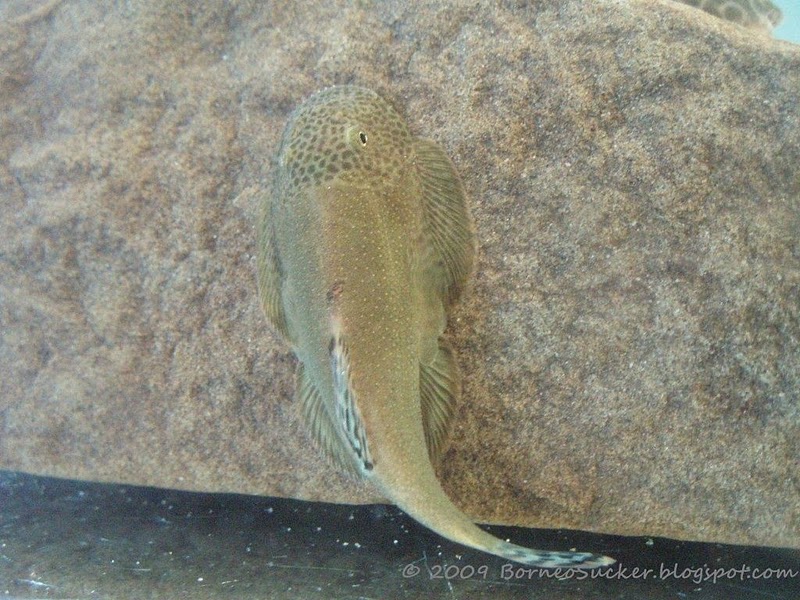
Gastromyzon aeroides
Tan & Sulaiman, 2006
Max length46mm SL1.8in SLTank60 × 30cm24 × 12inTemp20–24°C68–75°FpH6.0–7.5Field observations have revealed that individuals almost always position themselves facing into the flow, either along the sides, behind or under rocks, their specialised morphology (see 'Notes') allowing them to feed and maintain position without being swept away. Not many fishes have been able to successfully colonise this narrow ecological niche, but syntopic species in nature include Gastromyzon extrorsus (Petagas River), G. introrsus, G. lepidogaster (Pad...
Nannocharax brevisAfrican Darter Characin
authority not recorded
Max length45mm SL1.8in SLTank45 × 30cm18 × 12inTemp23–27°C73–81°FpH6.0–7.5There are currently 25 described species in the genus Nannocharax, these forming a monophyletic group with members of the very similar Hemigrammocharax. None can be described as particularly common in the hobby but N. brevis and N. fasciatus are the most often seen. They are notoriously tricky to identify though, and it's quite possible that more than two species are being sold under these names. In nature these fish occupy a similar ecological niche to the South American darter characi...