Results for “fork length”
Type a name: scientific, common, or one a species used to go by. Or narrow the catalogue with the filters.
Filters
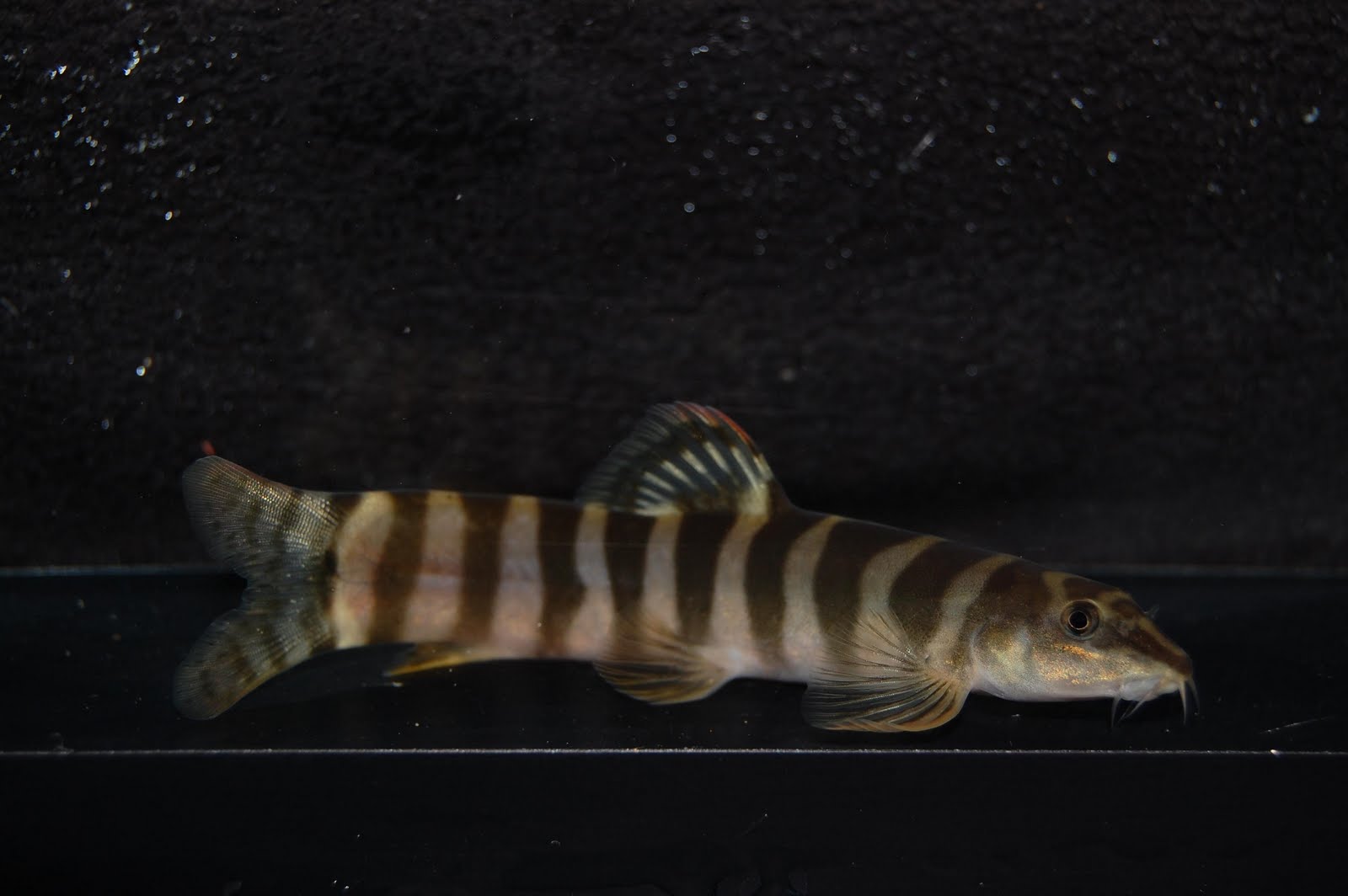
Schistura hypsiuraSuper Convict Loach
Bohlen, Ŝlechtová & Udomritthiruj, 2014
Max length73mm SL2.9in SLTank80 × 30cm31 × 12inTemp18–24°C64–75°FpH6.0–7.5It can be distinguished from congeners by the following combination of characters: caudal peduncle deep, ≥ the deepest part of the remainder of the body; no dorsal or ventral skin crests along the caudal peduncle; caudal-fin deeply forked, the outermost principal rays in the upper and lower lobes more than twice the length of the innermost: suborbital flap in males present; a well-developed suborbital groove in females; 6–8 very regular bars along the flank.
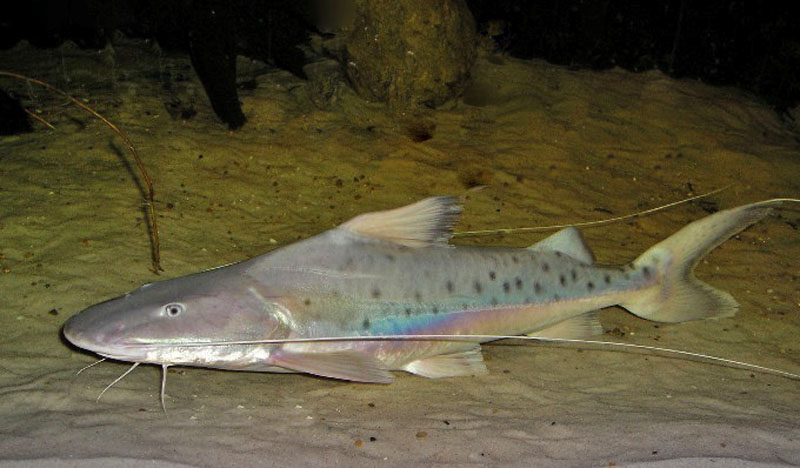
Brachyplatystoma capapretum
Lundberg & Akama, 2005
Max length880mm SL35in SLTanknot recordedTemp22–28°C72–82°FpH6.0–8.0This species can be told apart from the very similar-looking congener B. filamentosum by its smaller adult size (B. filamentosum can grow to almost 3 m in length), shorter maxillary barbels (never extending beyond base of adipose fin (vs. extending beyond base of adipose fin), moderately-forked with lobes of equal size (vs. deeply-forked caudal fin with upper lobe usually longer than the lower) and body col...
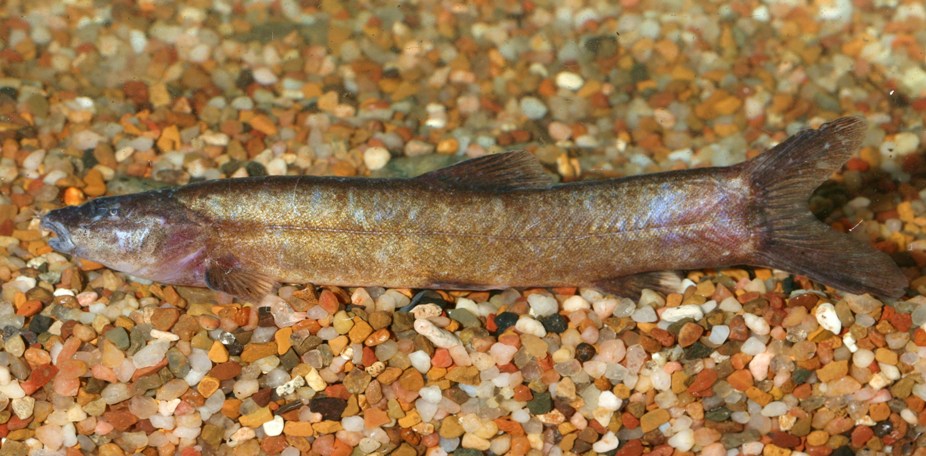
Leptobotia microphthalma
Fu & Ye, 1983
Max length150mm SL6in SLTank120 × 45cm48 × 18inTemp15.5–21°C60–70°FpH6.5–7.5Superficially similar to L. tientainensis but according to the formal description can be separated by a combination of characters including: more deeply-forked caudal-fin (shortest central rays fit 2.6-2.9 times in the outer rays vs. 1.7-2.5 times); significantly smaller eye (fits 26 times in head length vs. 10 times); caudal-fin with 1-2 dark bands at lateral edges v...