Results for “furcate”
Type a name: scientific, common, or one a species used to go by. Or narrow the catalogue with the filters.
Filters
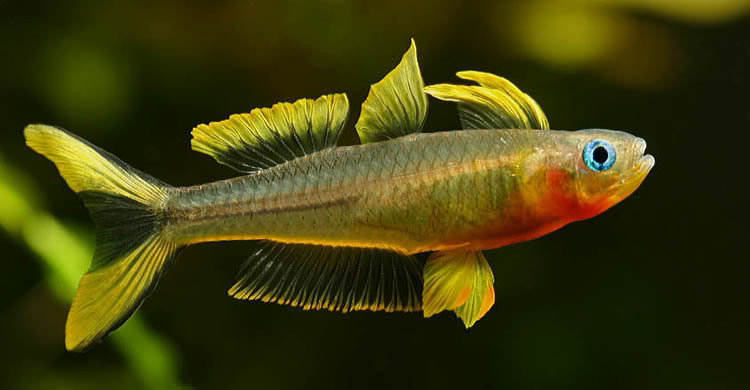
Pseudomugil furcatusForktail Blue-eye
Nichols, 1955
Matched on Popondetta furcata, a name it was formerly known by
Max length60mm SL2.4in SLTank60 × 30cm24 × 12inTemp24–28°C75–82°FpH7.0–8.0This species is also traded as 'forktail rainbowfish' or 'yellow forktail', and it's also undergone several changes in scientific name since description. Pseudomugil furcatus is the original designation, but Allen (1980) created the genus Popondetta for it on the basis of morphological characters including number of anal-fin rays (16-20 in P. furcatus, 8-12 in other Pseudomugil spp.), absence of anterior...
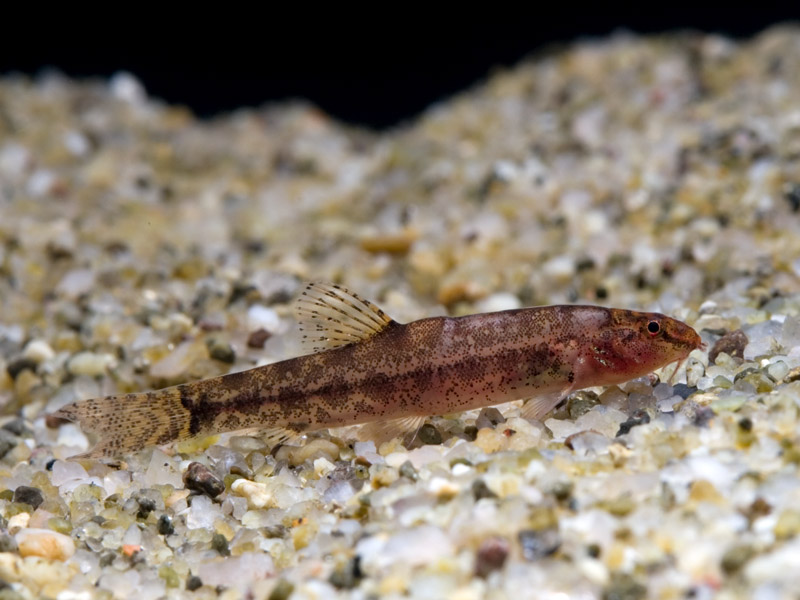
Lepidocephalichthys furcatus
de Beaufort, 1933
Matched on Lepidocephalus furcatus, a name it was formerly known by
Max length50mm SL2.0in SLTank45 × 30cm18 × 12inTemp23–26°C73–79°FpH5.5–7.5This species is not traded often but is occasionally available as bycatch among shipments of other species. It can be told apart from congeners most easily by the prominent, dorsally-orientated, roughly semi-circular lamina circularis in males, a feature unique within the genus. Other distinguishing characters include a combination of: forked caudal-fin; relatively small adult size; dark <-shaped mark at the base of the caudal-fin; a black spot at the base of branched caudal-fin rays 3-5.
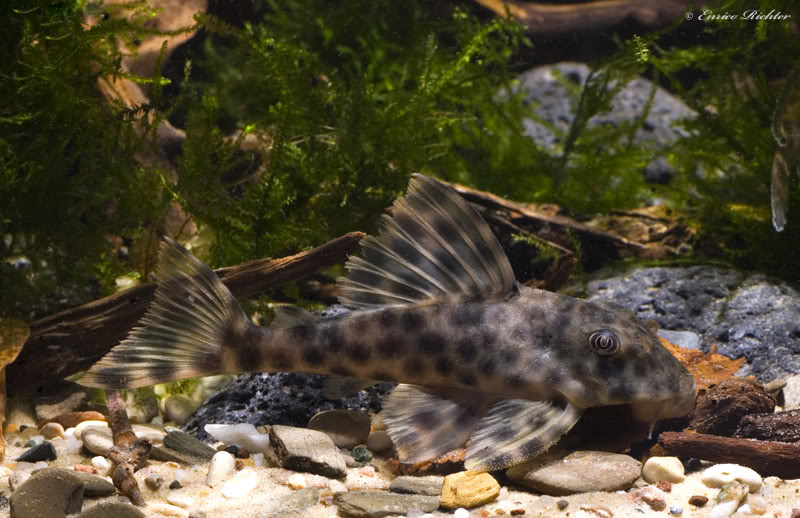
Peckoltia oligospilaL006
Günther, 1864
Max length100mm SL3.9in SLTank120 × 30cm48 × 12inTemp24–30°C75–86°FpH5.5–7.5This species can be distinguished from all congeners except P. bachi and some specimens of P. furcata by possessing only faint spots and saddles on the body. It can be told apart from P. bachi by possession of narrow (vs. wide) pelvic-fin spines, having the eyes positioned high (vs. low) on the head, and distinctly round (vs. appearing more as a mottling) spots on the body.