Results for “inbreeding”
Type a name: scientific, common, or one a species used to go by. Or narrow the catalogue with the filters.
Filters
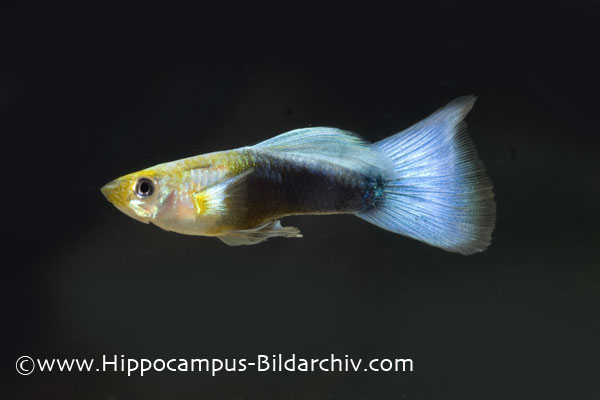
Poecilia reticulataGuppy
Peters, 1859
Max length60mm SL2.4in SLTank45 × 30cm18 × 12inTemp17–28°C63–82°FpH7.0–8.5One of the most popular aquarium fish in the world, the guppy is instantly recognisable to most people. There are many aquarium bred varieties of this species available, most have elongated finnage and gaudy colouration. The wild form is seldom seen for sale. Unfortunately many commercially bred guppies are not very hardy due to inbreeding and over-production and are prone to disease and premature death. We therefore recommend the purchase of quality stock from breeders or society auctions. P. ...
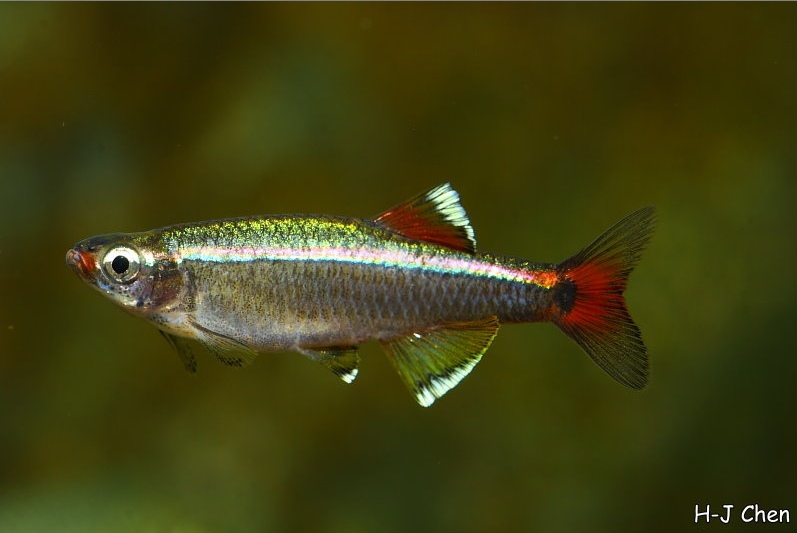
Tanichthys albonubesWhite Cloud Mountain Minnow
Lin, 1932
Max length40mm SL1.6in SLTank60 × 30cm24 × 12inTemp14–22°C57–72°FpH6.0–8.5One of the most ubiquitous species in the hobby and several ornamental strains are available including 'long-finned', 'golden', 'albino', and 'super red', for which care is identical to that of the 'standard' fish. Unfortunately the degree of inbreeding amongst farm-bred stock has resulted in a situation whereby many of the fish available today are genetically weak and prone to disease or develop physical deformities.
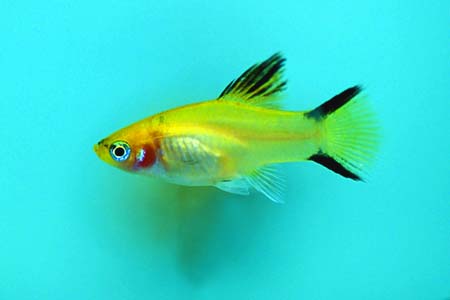
Xiphophorus maculatusPlaty
Gunther, 1866
Max length50mm SL2.0in SLTank60 × 30cm24 × 12inTemp20–26°C68–79°FpH7.0–8.2Another massively popular aquarium fish, with dozens of selectively bred varieties available, including mickey mouse, wagtail, tuxedo, moon, blue, red, comet and hi-fin. Some of these are produced by crossbreeding with X.helleri or X. variatus. Unfortunately many commercially bred platies are not very hardy due to inbreeding and over-production and are prone to disease and premature death. Wild fish are almost never seen in the hobby. As long as the ph remains above neutral this fish is ...
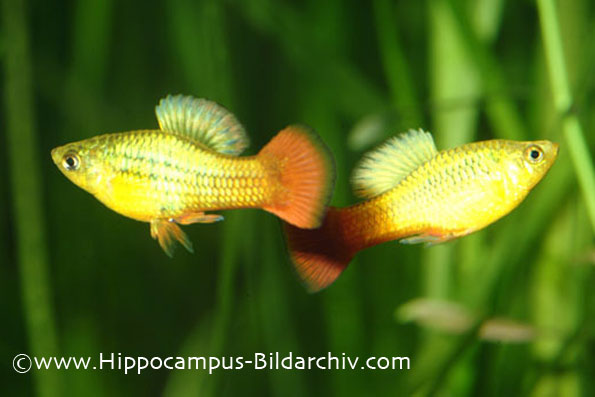
Xiphophorus variatusVariable Platy
Meek, 1904
Max length50mm SL2.0in SLTank60 × 30cm24 × 12inTemp20–26°C68–79°FpH7.0–8.2Another massively popular aquarium fish, with dozens of selectively bred varieties available. Some of these are produced by crossbreeding with X.helleri or X. maculatus. Unfortunately many commercially bred platies are not very hardy due to inbreeding and over-production and are prone to disease and premature death. The wild X. variatus can be distinguished from X. maculatus by its slimmer, more elongated body shape and slightly longer dorsal fin. This last feature has been seized upon by many...