Results for “invasive”
Type a name: scientific, common, or one a species used to go by. Or narrow the catalogue with the filters.
Filters
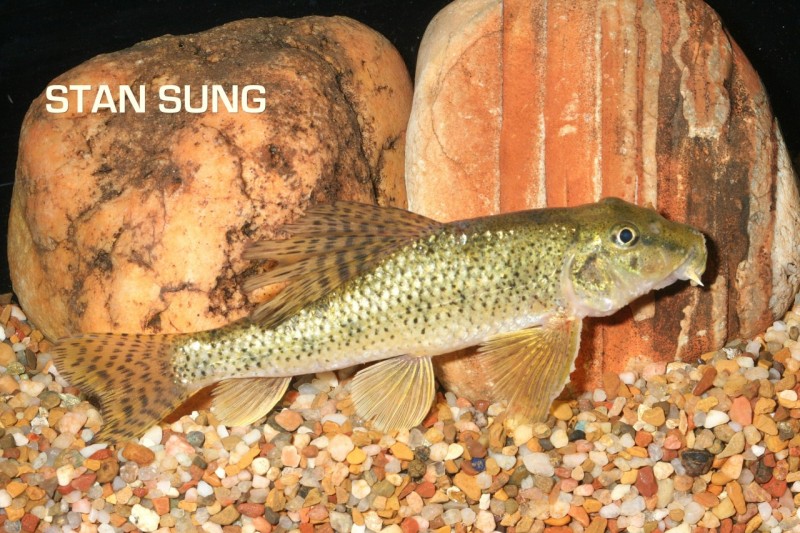
Abbottina rivularisChinese False Gudgeon
Basilewsky, 1855
Max length150mm SL6in SLTank150 × 45cm60 × 18inTemp16–24°C61–75°FpH6.0–8.0Native to continental China, the Korean peninsula, and southern Japan. Type locality is given only as 'Lakes and rivers, northern China', with the type series possibly originating from the Pai-ho River near Beijing. It has been widely introduced and is considered invasive elsewhere, including the Mekong river basin (records from Laos and Thailand), Salween river (Myanmar), northern Japan, Taiwan, Turkmeni...
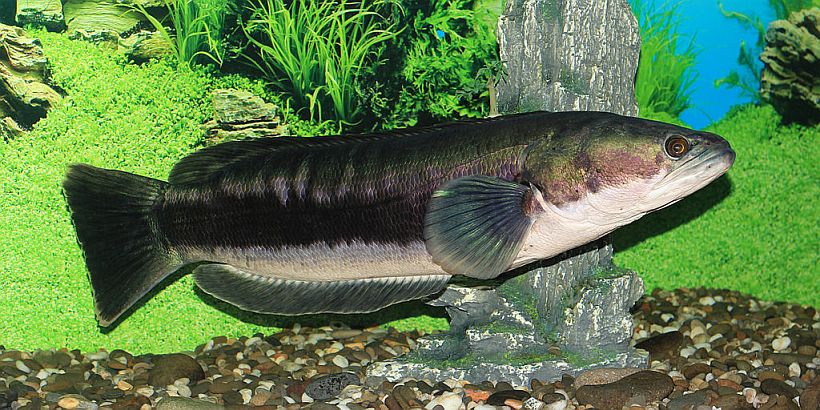
Channa micropeltesGiant Snakehead
Cuvier, 1831
Max length1300mm SL51in SLTanknot recordedTemp20–30°C68–86°FpH6.0–8.0C. micropeltes is also referred to as 'Indonesian', 'red', or 'redline' snakehead, the latter names in reference to the appearance of juveniles which often appear in the ornamental trade despite its unsuitability for home aquaria. It is somewhat hyperbolised in the media as a fearsome, invasive "monster" fish with a reputation for killing more fish than it can eat, and even the occasional human, although in reality...
Oreochromis mossambicusMozambique Mouthbrooder
authority not recorded
Max length390mm SL15in SLTank210 × 60cm84 × 24inTemp21–27°C70–81°FpH6.2–8.5One of the most invasive fish species in the world, O. mossambicus is one of the species farmed for supermarkets and restaurants across the globe. Several colour varieties have been selectively bred from the natural green fish to make the fish more appealing to consumers and unsurprisingly, it is these more brightly coloured forms which are usually seen in aquaria. Some of these variants are cross breeds with other species of Oreochromis. The destructive effect of O. mossambicus on non-nativ...
Oreochromis niloticus niloticusNile Tilapia
authority not recorded
Max length600mm SL24in SLTank210 × 60cm84 × 24inTemp21–27°C70–81°FpH6.2–8.5One of the most invasive fish species in the world but also one of the most economically important, O. niloticus is bred in huge numbers in many countries as a food fish. It is often cross-bred with other Oreochromis species for colour in order to make the fish more appealing to consumers. The destructive effect of O. niloticus on non-native ecosystems into which it escapes or is released is mainly due to it's adaptibility. It has been recorded over a temperature range of 60-110°F an...
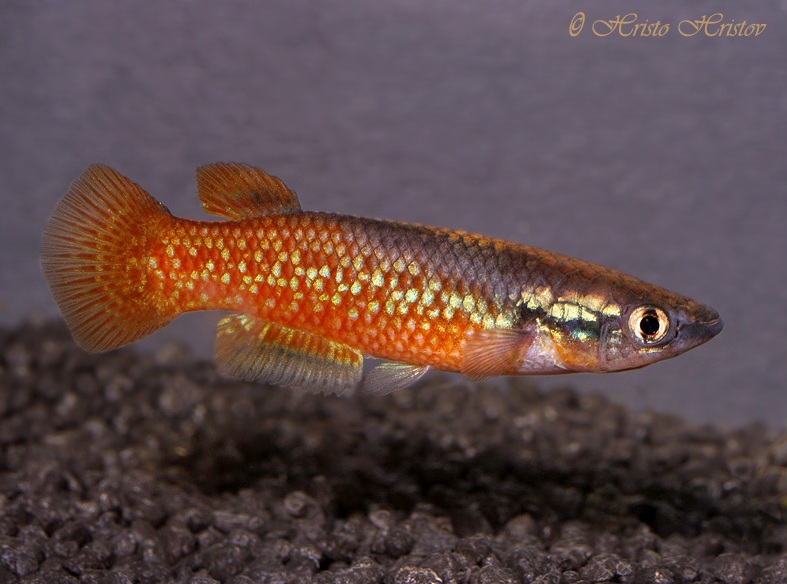
Pachypanchax sakaramyiMadagascar Panchax
Holly, 1928
Max length90mm SL3.5in SLTank90 × 30cm36 × 12inTemp20–24°C68–75°FpH6.5–7.5The majority of original populations have already been extirpated due to introduction of invasive species such as Gambusia holbrooki and Poecilia reticulata, ongoing deforestation of the Ambohitra Massif, and physical diversion of the source of the Sakaramy River for domestic use by locals. An additional population may exist in a stream on the southern slope of the Ambohitra Massif on the road between Bobasokoa and Anivorano, near the village of Andranotohiliny, but this requires verification.
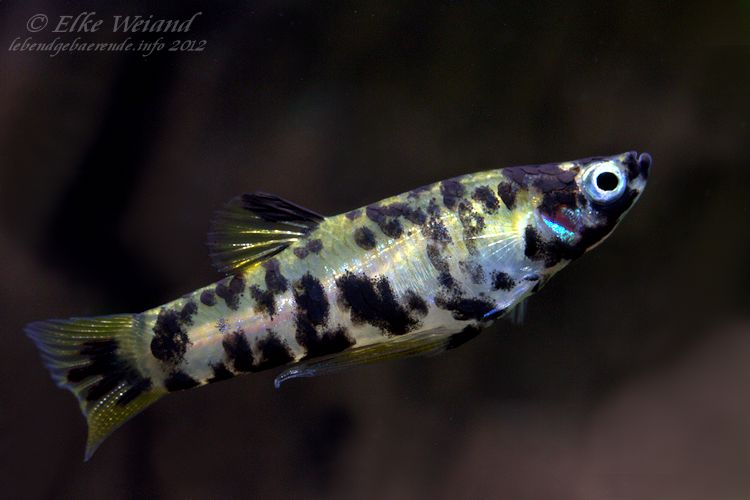
Phalloceros caudimaculatusDusky Millions Fish
Hensel, 1868
Max length70mm SL2.8in SLTanknot recordedTemp16–22°C61–72°FpH7.0–8.0Occurs naturally in Brazil, Paraguay, Uruguay and Argentina with feral populations in Australia, New Zealand, Ethiopia and Malawi which were purportedly introduced for purposes of mosquito control but are now considered invasive. Following Lucinda (2008) its natural range comprises the Lagoa dos Patos system, lower rio Uruguai, rio Tramandaí, and rio Mampituba in Rio Grande do Sul st...