Results for “oral”
Type a name: scientific, common, or one a species used to go by. Or narrow the catalogue with the filters.
Filters
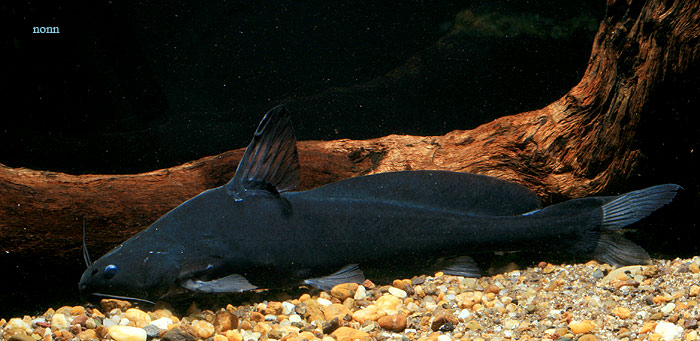
Bagrichthys obscurus
Ng, 1999
Max length249mm SL10in SLTank120 × 45cm48 × 18inTemp24–28°C75–82°FpH5.5–7.0The vernacular name 'lancer' is derived from the extended dorsal spine possessed by several members of the genus, which currently contains 7 species. B. obscurus is diagnosable from congerners by the following combination of characters: mouth opening relatively small and narrow; oral dentition significantly reduced; dorsal-fin spi...
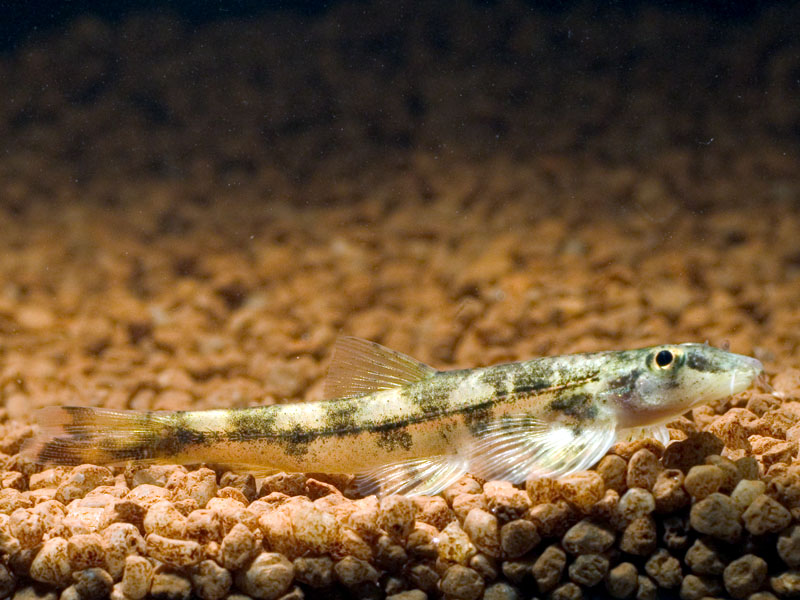
Homalopteroides nebulosus
Alfred, 1969
Max length36mm SL1.4in SLTank60 × 30cm24 × 12inTemp20–25.5°C68–78°FpH6.0–7.5The genus Homalopteroides was revalidated by Randall and Page (2012) and is told apart from the related Homaloptera by the following character combination: dorsal-fin origin above pelvic-fin; ≤ 60 lateral-line scales; ≤ 30 predorsal scales; oral morphology consisting of two thin and widely separated rostral barbels on each side of the mouth, thin crescent-shaped lips, the absence of any structure such as a mental pad or lobes between the lateral portions of the lower lip, and a chin that extends anterior to the lateral portions of the lower lip.
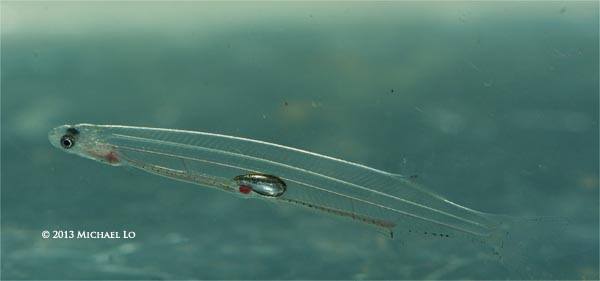
Sundasalanx microps
Roberts, 1981
Max length20mm SL0.8in SLTank45 × 30cm18 × 12inTemp22–26°C72–79°FpHnot recordedThe genus Sundasalanx is distributed throughout much of Southeast Asia and currently comprises seven species which have primarily been distinguished on the basis of oral and dental morphology, gill rakers and eye size. S. microps possesses 0-3 small conical teeth on ceratobranchial 5, 0-2 minute gill rakers on the first arch and a small eye measuring less...