Results for “pelvic disc”
Type a name: scientific, common, or one a species used to go by. Or narrow the catalogue with the filters.
Filters
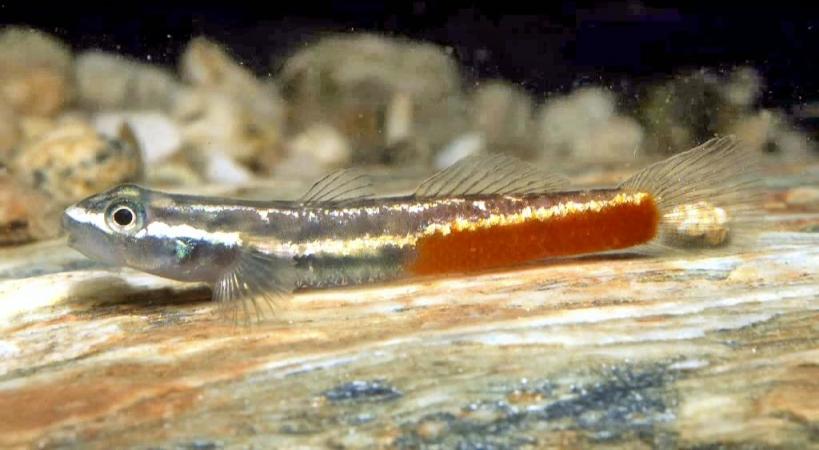
Sicyopus discordipinnis
Watson, 1995
Max length30mm SL1.2in SLTank60 × 30cm24 × 12inTemp22–26°C72–79°FpH6.0–7.5The fused pelvic fins form a structure normally referred to as the 'pelvic disc', a common feature among gobiids which is used to adhere to rocks and other submerged surfaces. In Sicyopus, as in Stiphodon, this is short-based and attached to the belly only between the fifth pair of fin rays whereas in other sicydiines it's attached between all five rays (Watson, 2005).
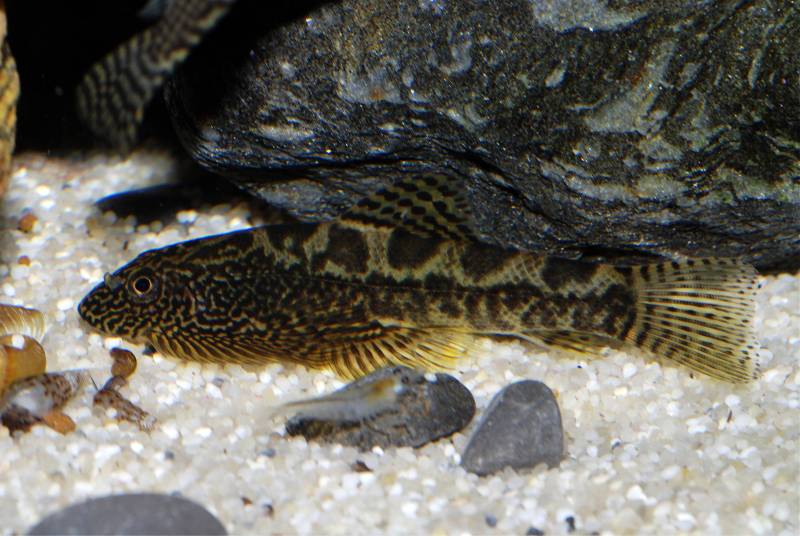
Sewellia sp. 'SEW03'
authority not recorded
Max length60mm SL2.4in SLTank75 × 30cm30 × 12inTemp20–24°C68–75°FpH6.0–7.5This fish first became available in early 2009 and was initially identified as S. breviventralis (Freyhof and Serov, 2000). However it cannot be that species because there is no discernible gap between pelvic and anal fins, which also discounts the possibility of it being S. elongata (Roberts, 1998). It therefore remains unidentified and is often imported in mixed batches with S. sp. 'SEW02', which it also resembles closely.
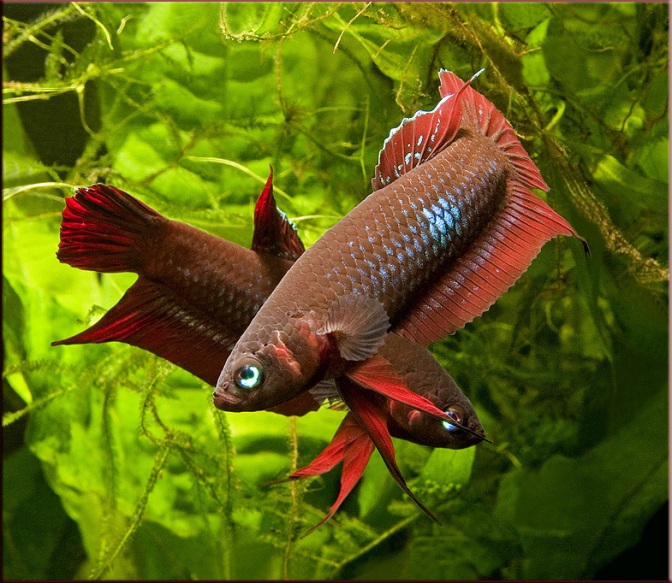
Betta coccinaScarlet Betta
Vierke, 1979
Max length40mm SL1.6in SLTank45 × 30cm18 × 12inTemp22–30°C72–86°FpH4.0–6.0B. coccina can be told apart from other members by the following combination of characters: iridescent green lateral blotch present in male, absent in female; body dark red in colour; no parallel vertical iridescent gold opercle bars; pelvic fin falcate with black filamentous tip, remainder red; median fins with discrete iridescent green spots; dorsal fin-rays 9-12; anal-fin rays 27-29; subdorsal scales 7-8; lateral scales 31-32; predorsal scales 18-21. The genus Betta is the most speciose within the family Osphronemidae with almost 70 reco...