Results for “punctate”
Type a name: scientific, common, or one a species used to go by. Or narrow the catalogue with the filters.
Filters
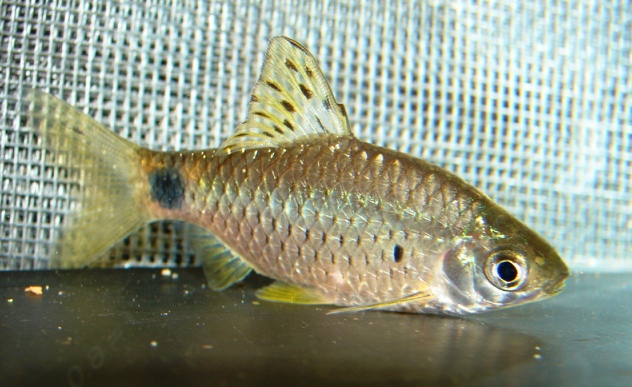
Pethia punctata
Day, 1865
Matched on Puntius punctatus, a name it was formerly known by
Max length55mm SL2.2in SLTank75 × 30cm30 × 12inTemp21–26°C70–79°FpH6.0–7.5This species is poorly-known in the aquarium hobby and has a confusing taxonomic history having been considered both synonymous with or a subspecies of the congener P. ticto in the past. It can be distinguished from other members of the genus by the following combination of characters: lateral line complete with 27 scales (following Day); body with two dark blotches; anterior spot one scale row below lateral line; dorsal-fin with rows of spots.
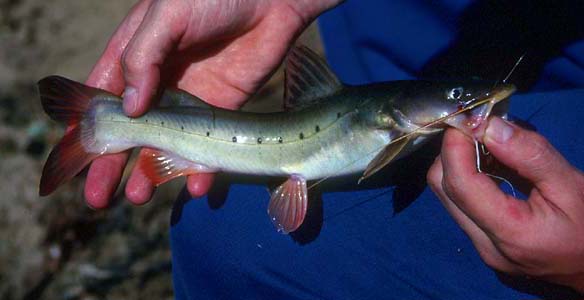
Hemibagrus punctatusPorthole Bagrid
Jerdon, 1849
Matched on Bagrus punctatus, a name it was formerly known by
Max length197mm SL8in SLTanknot recordedTemp20–27°C68–81°FpH6.0–7.0Confirmed localities include the Kabini, Bhadra and Moyar tributary systems where it was last collected in 1998, the 1980s and 1990-92, respectively. The IUCN currently list it as Critically Endangered (possibly extinct).
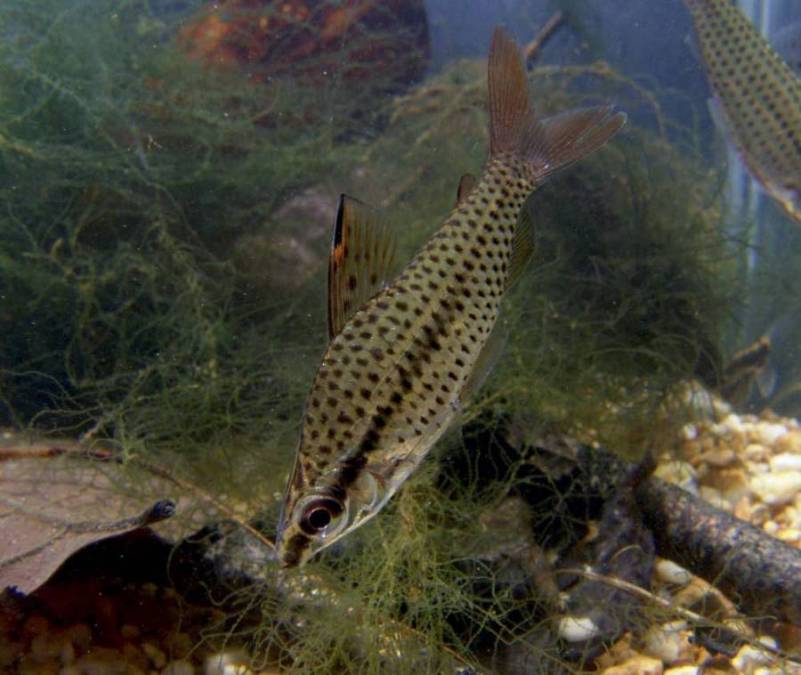
Chilodus punctatusSpotted Headstander
Müller & Troschel, 1844
Max length80mm SL3.1in SLTank90 × 30cm36 × 12inTemp20–28°C68–82°FpH5.0–7.5Omnivorous and will accept most foods offered, with the stomach contents of wild specimens varying on a seasonal basis but mostly comprising insects and insect larvae (orders Trichoptera, Hemiptera, Homoptera) plus some terrestrial fruits and even scales of other fishes (Sánchez et al., 2003). In the aquarium offer live Daphnia, Artemia, Moina, bloodowrm, etc., vegetable matter in the form of blanched spinach, lettuce, cucumber, fruit, algae wafers, etc., and good quality, sinking dried foods.
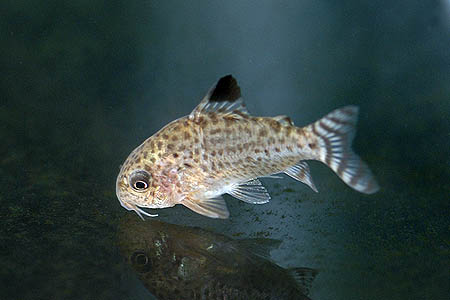
Corydoras cruziensisSanta Cruz Cory
Knaack, 2002
Max length50mm SL2.0in SLTank80 × 30cm31 × 12inTemp20–28°C68–82°FpH6.0–8.5This species is not well-documented but is said to differ from the comparable C. punctatus by possessing larger dark markings on the body which may form an irregular midlateral stripe in some specimens. Unfortunately diagnostic characters cannot be provided since we’ve been unable to obtain the type description, and little has been written about the species since it was published.
Thalassophryne amazonicaPrehistoric Monster Fish
authority not recorded
Max length150mm SL6in SLTank75 × 30cm30 × 12inTemp24–28°C75–82°FpHnot recordedThere are currently six described species in the genus Thalassophryne, of which T. amazonica is the only freshwater representative. The others (T. nattereri, T. maculosa, T. megalops, T. montevidensis and T. punctata) are all estuarine animals distributed along the western Atlantic coastlines of Central and South America and inhabit brackish-to-marine waters. They are members of the family Batrachoididae or toadfishes, of which most are exclusively marine species. All batrachoidids are ambush pr...
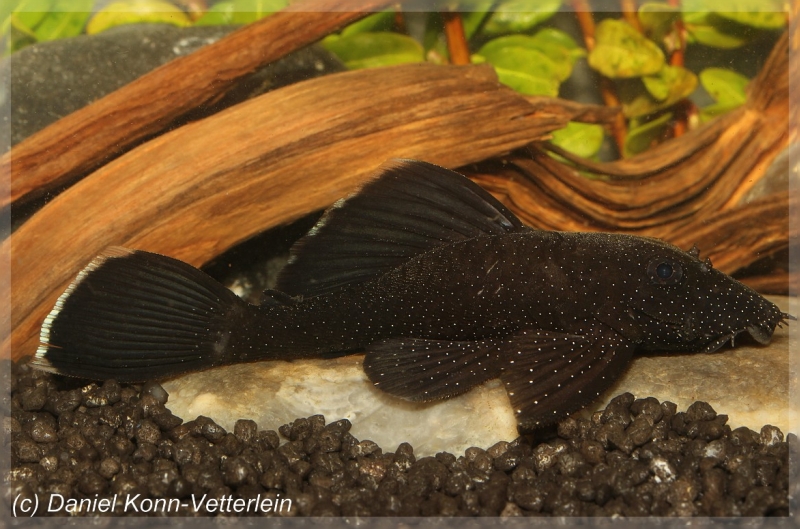
Ancistrus dolichopterusL183
Kner, 1854
Matched on Hypostoma punctatum, a name it was formerly known by
Max length200mm SL8in SLTank120 × 45cm48 × 18inTemp26–30°C79–86°FpH5.0–7.0This species is not always identified correctly with its name used for the unidentified common bristlenose and other similar species, while the fish itself has been referred to as A. hoplogenys and assigned the L-number L183. Images and information describing it it in much of the available literature confirm this confusion.
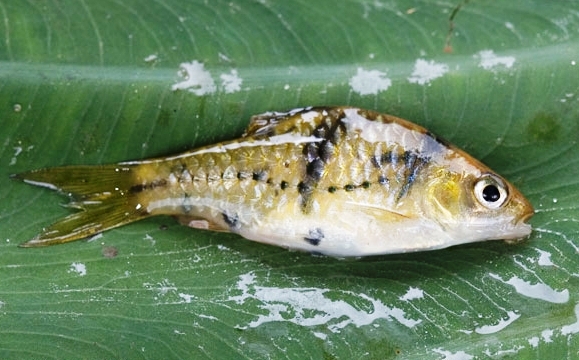
Barbodes kuchingensisFalse Spanner Barb
Herre, 1940
Matched on Puntius lateristriga punctatus, a name it was formerly known by
Max length120mm SL5in SLTank120 × 45cm48 × 18inTemp20–28°C68–82°FpH5.0–7.5This species is rarely-exported for the aquarium hobby but is available on occasion. The name 'P.' kuchingensis is frequently misapplied, however, with subadult forms of 'P.' everetti and some populations of the geographically-variable 'P.' lateristriga regularly traded as such, for example. Though closely-affiliated with and superficially very similar to...
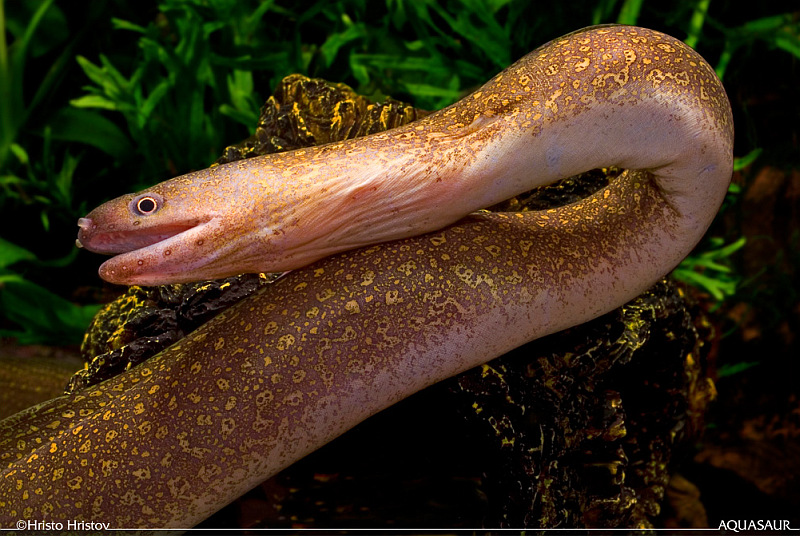
Gymnothorax tile'Freshwater' Moray Eel
Hamilton, 1822
Matched on Lycodontis punctata, a name it was formerly known by
Max length600mm SL24in SLTank120 × 60cm48 × 24inTemp20–28°C68–82°FpH7.5–9.0Gymnothorax tile
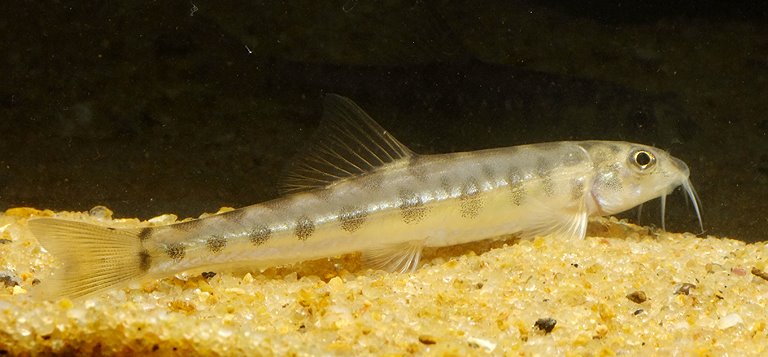
'Nemacheilus' corica
Hamilton, 1822
Matched on Schistura punctata, a name it was formerly known by
Max length45mm SL1.8in SLTank60 × 30cm24 × 12inTemp15–24°C59–75°FpH6.0–8.0This species has been widely regarded as a member of the genus Nemacheilus since the late 1970s with the vast majority of subsequent authors considering it as such, although in the aquarium hobby it's more commonly referred to Schistura.