Results for “riparian”
Type a name: scientific, common, or one a species used to go by. Or narrow the catalogue with the filters.
Filters
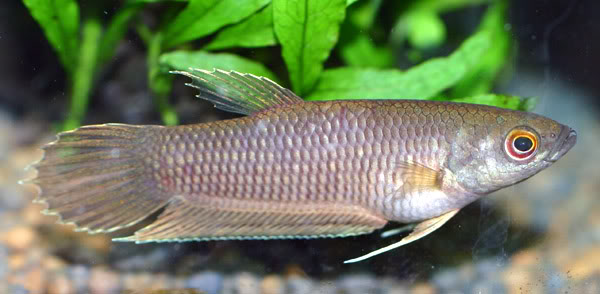
Betta spilotogena
Ng & Kottelat, 1994
Max length70mm SL2.8in SLTank80 × 30cm31 × 12inTemp22–27°C72–81°FpH4.0–6.5Inhabits freshwater swamps and associated streams, typically shaded from the sun by dense riparian vegetation. The water is normally clear or lightly stained with tannins, and the fish found in water less than a metre deep alongside related species including Betta edithae, B. miniopinna, and B. fusca. PH has been measured to range between 4.9-5.5.
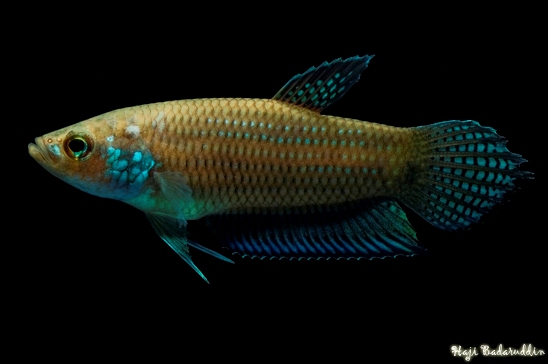
Betta stigmosa
Tan & Ng, 2005
Max length50mm SL2.0in SLTank60 × 30cm24 × 12inTemp22–28°C72–82°FpH5.0–7.0Known only forest hill streams with flowing, clear water. These are typically shaded from the sun by dense riparian vegetation. The substrate is composed of rocks or gravel, fallen leaves, branches and submerged tree roots, and presumably the fish show a preference for quieter marginal zones as with related congeners. The type locality was described as a 'swampy stream' and sympatric species incl...
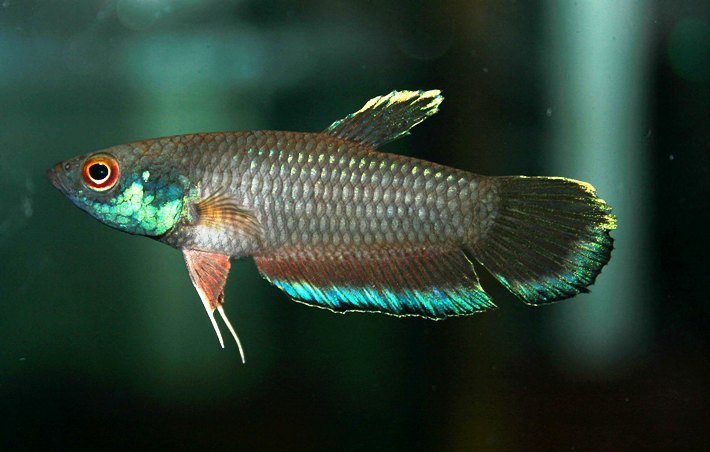
Betta taeniata
Regan, 1910
Max length55mm SL2.2in SLTank60 × 30cm24 × 12inTemp22–27°C72–81°FpH5.0–7.0At one locality close to Serian, Sarawak, the habitat comprised a swiftly-flowing, clear hill stream with a substrate of quartz gravel and variably-sized rocks. The pH was 7.0 and there was no aquatic vegetation. The stream was approximately 10 metres across at its widest point and between 5-80 cm deep. B. taeniata was found in sluggish stretches among submerged tree roots, leaf litter, or overhanging riparian vegetation.
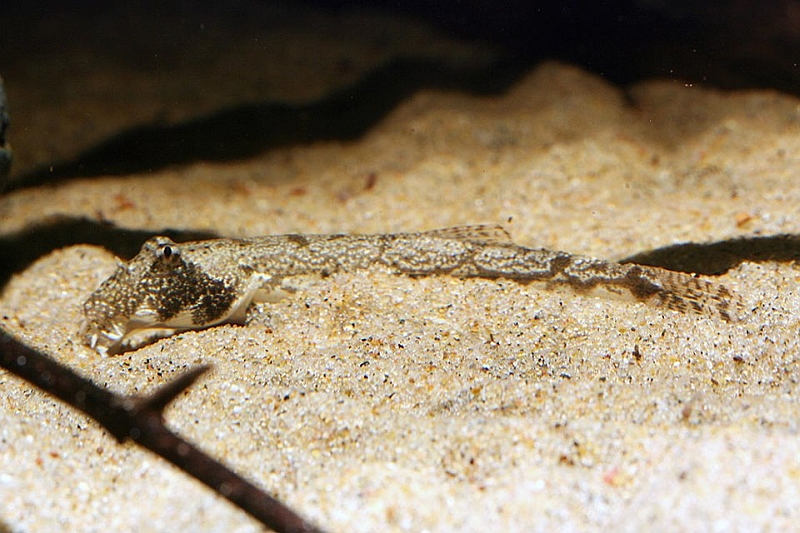
Canthophrys gongotaMoose-faced Loach
Hamilton, 1822
Max length110mm SL4in SLTank90 × 30cm36 × 12inTemp18–22°C64–72°FpH6.0–7.0Mostly known from slow-moving, relatively shallow tributaries and minor rivers with substrates of mud, sand or gravel. Aquatic plants are only occasionally present but riparian vegetation apparently grows thickly at some localities. In the Schutunga River, part of the Mansai River drinage which is itself a tributary of the Brahmaputra in West Bengal state, In...
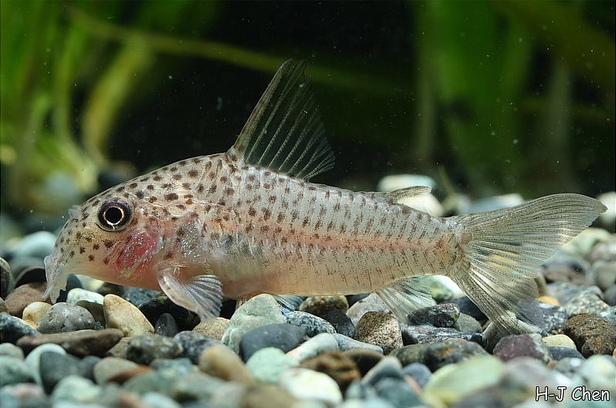
Corydoras albolineatusC056
Knaack, 2004
Max length50mm SL2.0in SLTanknot recordedTemp22–32°C72–90°FpH6.0–7.5In the upper Iténez it most commonly inhabits riparian zones with sandy substrates or edges of sand banks, although it's also been collected in smaller streams and residual flood waters. It typically forms large aggregations of up to several thousand individuals and at the confluence of the ríos Paraguá and Iténez occurs sympatrically with the congener C. paragua.
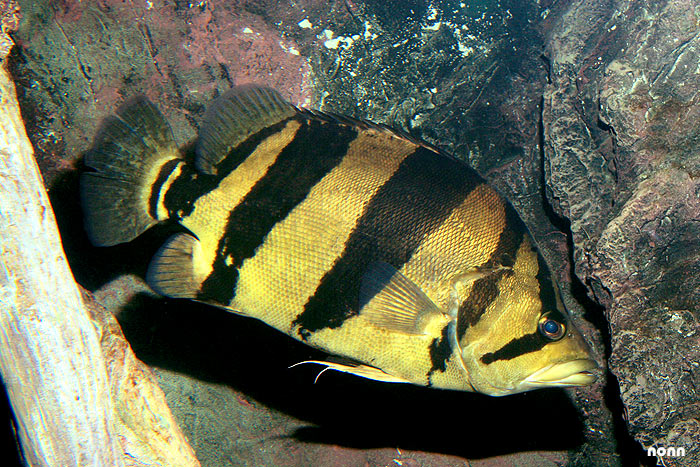
Datnioides pulcherSiamese Tiger Perch
Kottelat, 1998
Max length400mm SL16in SLTanknot recordedTemp20–28°C68–82°FpH5.5–7.5The massive decline in wild populations, hypothesised to be in excess of 90% since the mid-1980s, is thought to have been caused by a variety of factors, including habitat alteration due to construction of dams and other infrastructure, removal of riparian vegetation, and urban pollution, plus over fishing for both human consumption and the aquarium trade.
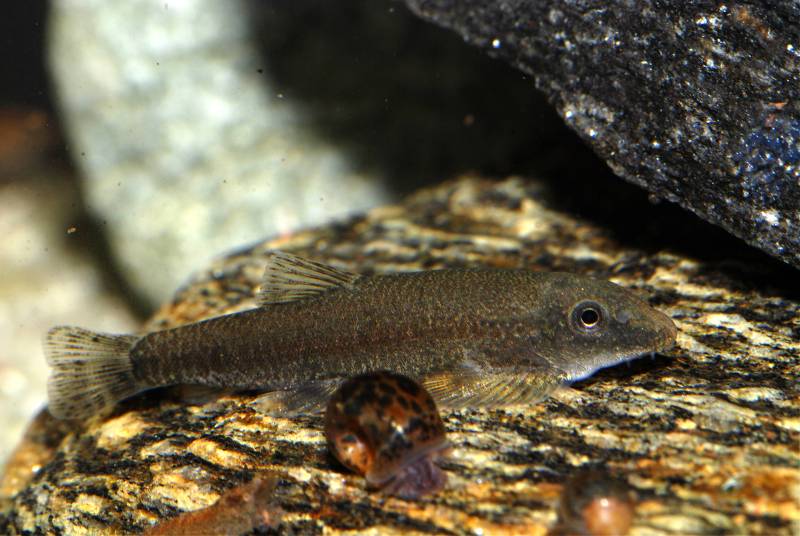
Erromyzon sp. 'ER01'
authority not recorded
Max length45mm SL1.8in SLTank60 × 30cm24 × 12inTemp18–24°C64–75°FpH6.5–8.0Erromyzon spp. are obligate dwellers of shallow, fast-flowing, highly-oxygenated headwaters/minor tributaries characterised by stretches of riffles and runs broken up by pools or cascades in some cases. Substrates are normally composed of smaller rocks, sand and gravel with jumbles of boulders, and while riparian/stream-side vegetation and patches of submerged leaf litter are common features aquatic plants aren't usually present.
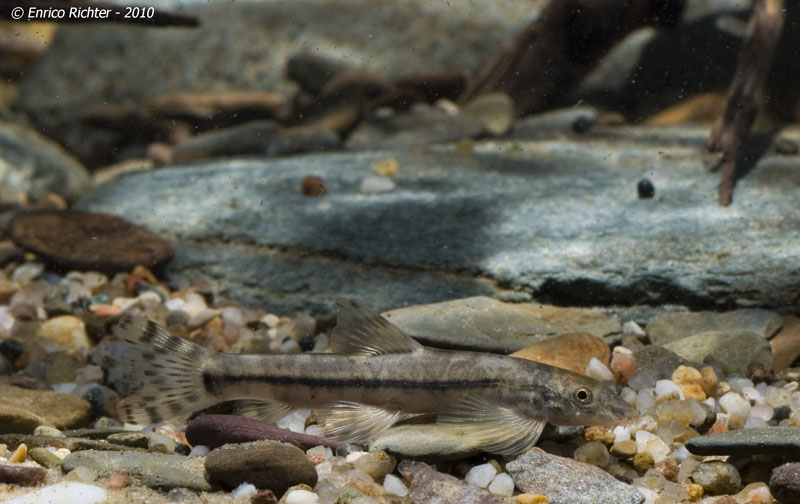
Formosania lacustrisTasseled-mouth Loach
Steindachner, 1908
Max length120mm SL5in SLTank120 × 30cm48 × 12inTemp20–24°C68–75°FpH6.0–7.5An obligate dwellers of swiftly-flowing streams and headwaters containing clear, oxygen-saturated water. It inhabits riffles and runs and according to studies shows a preference for shallower zones. Substrates are generally composed of gravel, rocks, boulders or bedrock carpeted with a rich biofilm formed by algae and other micro-organisms. Aquatic plants are uncommon and while riparian/streamside vegetation may be present...
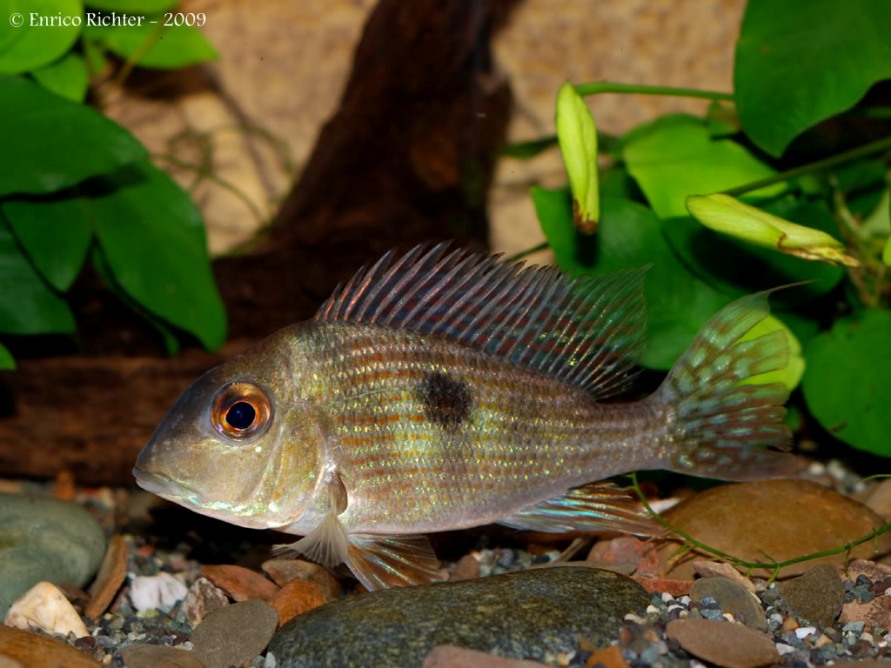
Geophagus sp. 'Pindaré'
authority not recorded
Max length150mm SL6in SLTank150 × 45cm60 × 18inTemp26–29°C79–84°FpH6.0–7.0Known only from the rio Pindaré in Maranhão state, north-eastern Brazil which drains into the Baía de São Marcos (St. Mark's Bay) along with the rios Mearim, of which it is sometimes considered a tributary, and Grajaú. Some sections of the Pindaré have been heavily degraded via removal of riparian vegetation for agriculture and habitats destroyed due to resultant siltation. The river is poorly-studied and the conservation status of its fishes mostly unconfirmed so su...
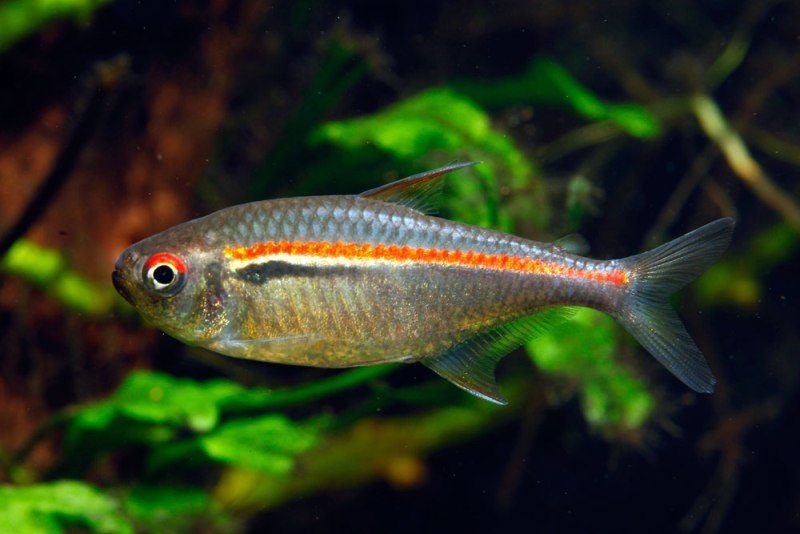
Hyphessobrycon amapaensisAmapá Tetra
Zarske & Géry, 1998
Max length30mm SL1.2in SLTank60 × 30cm24 × 12inTemp23–28°C73–82°FpH5.0–7.0Collected from small streams flowing through savanna grassland containing clear, light brown-coloured water with substrates of sand and gravel and little in the way of submerged or riparian vegetation. At the type locality pH varied between 5.8 – 6.3, GH and KH were both <1°, conductivity was 9-13 μs and temperature 24.7 – 27.2°C/76.6 – 80.1°F.
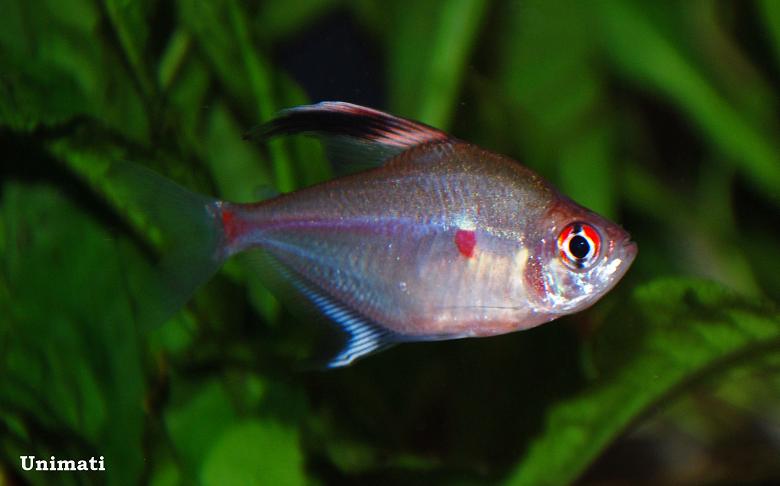
Hyphessobrycon erythrostigmaBleeding Heart Tetra
Fowler, 1943
Max length60mm SL2.4in SLTank90 × 30cm36 × 12inTemp21–28°C70–82°FpH4.0–7.5In the igarapés Baré and Ubim, western Brazil H. erythrostigma was collected from stretches measuring 5-7 metres in width with thick riparian and overhanging vegetation. The substrate was mostly composed of sand and the fish displayed a preference for boundary zones between shallow and deeper water. Conductivity was measured at 14.2-62.1 mS/cm³, dissolved oxy...
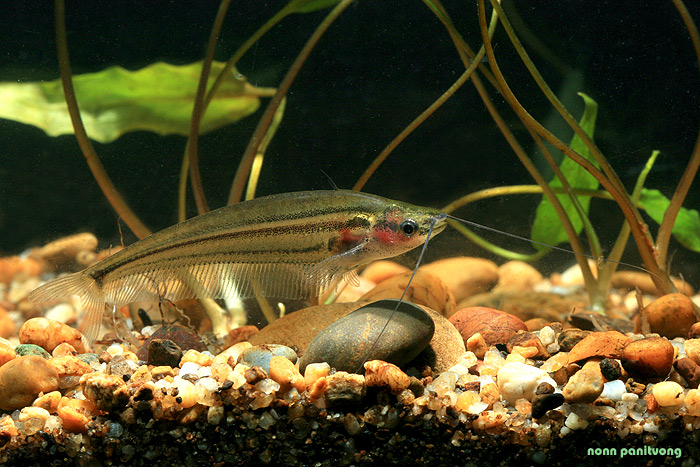
Kryptopterus macrocephalusStriped Glass Catfish
Bleeker, 1858
Max length100mm SL3.9in SLTank120 × 30cm48 × 12inTemp20–26°C68–79°FpH4.0–7.0Has been recorded in fast-flowing environments but most commonly associated with peat swamp forests and associated blackwater streams. Many such habitats have suffered degradation of some kind but in unaltered cases the dense canopy of branches above means very little light penetrates the surface of such environments, and riparian vegetation also tends to grow thickly.
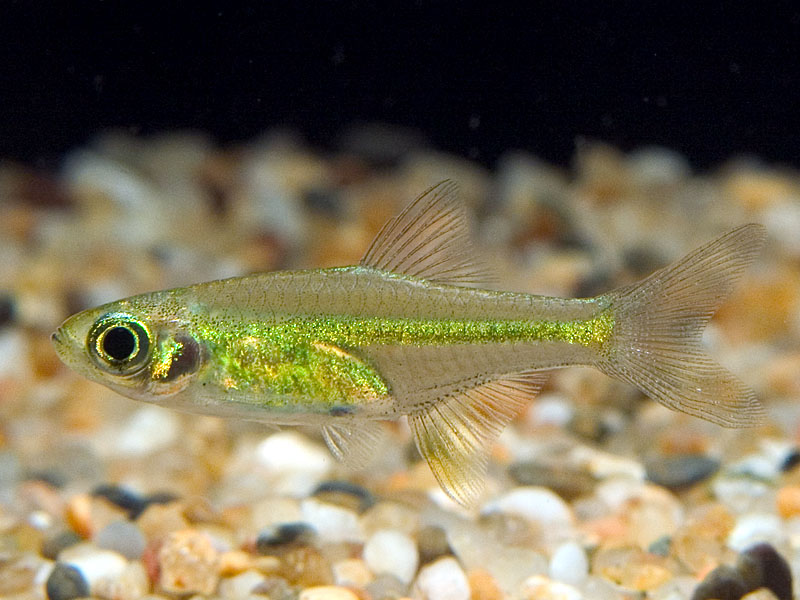
Microdevario kubotai
Kottelat & Witte, 1999
Max length20mm SL0.8in SLTank60 × 30cm24 × 12inTemp20–27°C68–81°FpH6.0–7.0Apparently inhabits calm to moderately-flowing stretches of well-oxygenated headwaters and minor tributaries. Such habitats tend to comprise transparent water, substrates of sand, gravel, rocks, boulders, and patches of leaf litter, with submerged driftwood, roots of riparian vegetation, and aquatic vegetation in places.
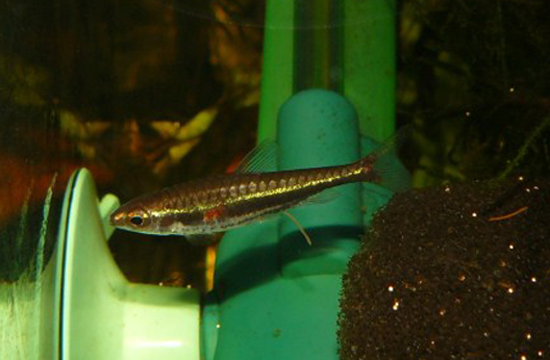
Nannostomus minimusLeast Pencilfish
Eigenmann, 1909
Max length23mm SL0.9in SLTank45 × 30cm18 × 12inTemp22–28°C72–82°FpH4.0–6.5Inhabits sluggish blackwater tributaries, small rivers and swampy areas, particularly in areas with dense growth of aquatic or overhanging riparian vegetation, submerged woody structures and leaf litter. The water is typically stained darkly with humic acids and other chemicals released by decaying organic material, the dissolved mineral content is generally negligible and pH can be as low as 4.0. N. minimus occurs sympat...
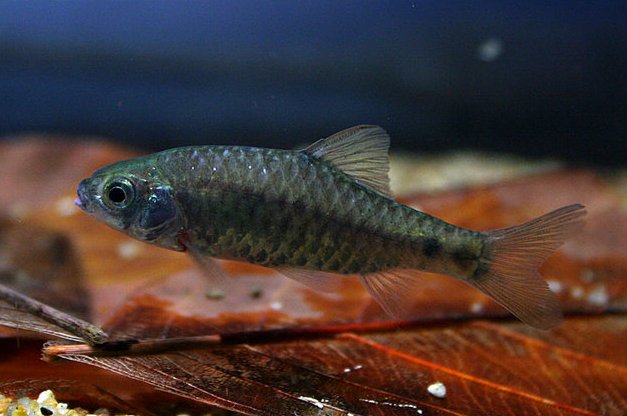
Pethia shalyniusShalyni Barb
Yazdani & Talukdar, 1975
Max length55mm SL2.2in SLTank75 × 30cm30 × 12inTemp16–24°C61–75°FpH6.0–7.5A benthopelagic fish mostly recorded from streams and minor tributaries at relatively high altitudes of more than 1200 metres AMSL with cool, clear, well-oxygenated water and substrates of bedrock, boulders, cobbles, and gravel. Aquatic plants aren't usually present though riparian vegetation may be well-developed. It's also present in some ponds and small lakes, including some stagnant water bodies with muddy substrates.