Results for “rostrum”
Type a name: scientific, common, or one a species used to go by. Or narrow the catalogue with the filters.
Filters
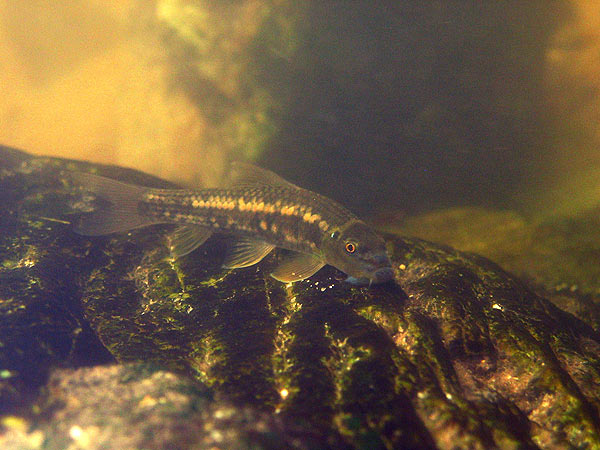
Garra fuliginosa
Fowler, 1934
Max length150mm SL6in SLTank150 × 45cm60 × 18inTemp20–27°C68–81°FpHnot recordedFollowing Rainboth (1996) distinguishing characters for G. fuliginosa include: presence of rostral and maxillary barbels; a well-developed, trilobed rostrum; possession of 10 gill rakers on the lower portion of the first gill arch; no mid-lateral body stripe; 32-34 lateral line scales; body dark with random lighter scales in places. Kottelat (2001) states that the species can be told apart from other Garra occurring in Laos by a combination of: snout with a secondary rostrum, proboscis about twice as wide...
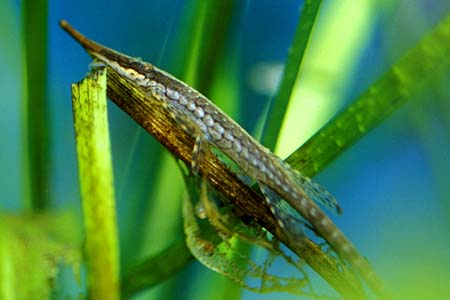
Farlowella vittataTwig Catfish
Myers, 1942
Max length150mm SL6in SLTank90 × 30cm36 × 12inTemp24–27°C75–81°FpH6.0–7.0Although often sold as the closely related F. acus (a species that is highly endangered and imported very rarely, if at all), F. vittata is the most common representative of the genus in hobbyists' tanks. The easiest way to distinguish the two is by comparing the shape of the rostrum, which is longer and more slender in vittata, although there are also differences in the arrangement of the ventral scutes. They are adapted for life among peripheral vegetation and tree roots along the edges o...
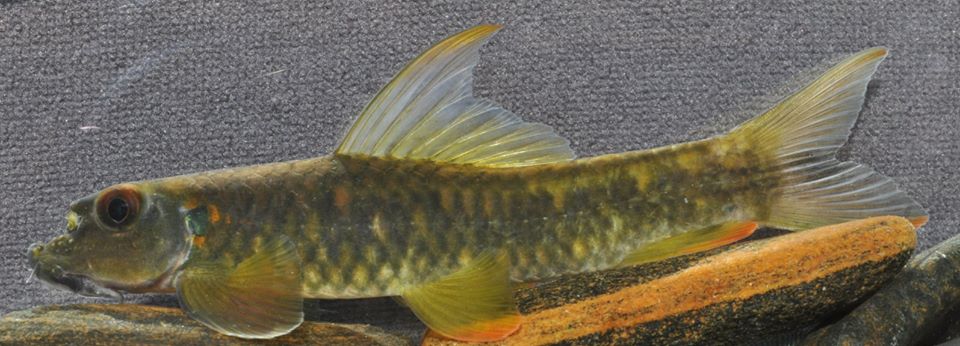
Garra bicornutaRhino Garra
Narayan Rao, 1920
Max length150mm SL6in SLTank120 × 45cm48 × 18inTemp20–27°C68–81°FpH6.0–8.0The preciose function of the secondary rostrum remains unknown; some have suggested it may have some hydro-mechanical purpose but it's perhaps more likely related to reproductiion and/or social interactions. Only males develop prominent rostra...
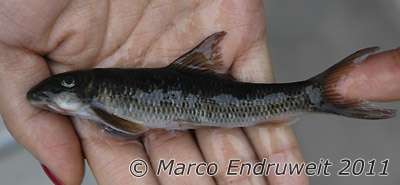
Garra imberba
Garman, 1912
Max length120mm SL5in SLTanknot recordedTempnot recordedpHnot recordedThis species can be distinguished from congeners inhabiting the Red River basin in Yunnan province, China, by the following combination of characters: no barbels; 46-52 lateral line scales; 16 circumpeduncular scales; pharyngeal teeth in 3 rows, 2.4.5-5.4.2; snout rounded, no secondary rostrum, no longitudinal...
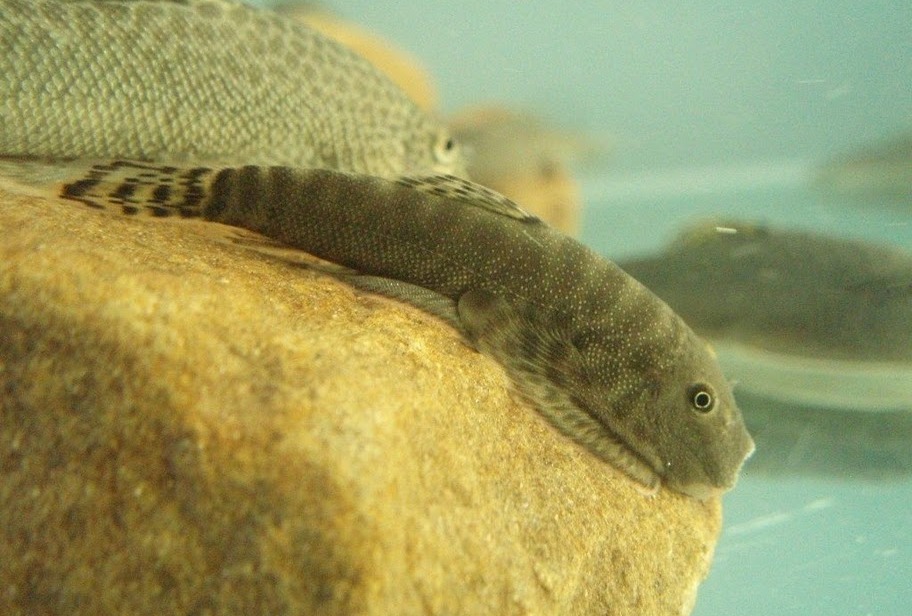
Gastromyzon cornusaccus
Tan, 2006
Max length50mm SL2.0in SLTank75 × 30cm30 × 12inTemp20–24°C68–75°FpH6.0–8.0G. cornusaccus can be distinguished from congeners by the following combination of characters: secondary rostrum present; incomplete postoral pouch present reduced to pockets located posterior to mouth corners; sublacrymal groove present and visible when viewed laterally; juveniles with thick, cream-coloured bars and blotches on body, adults uniformly-coloured; head dorsum plain; subopercular groove absent; gill slit vertical; snout truncate when viewed dorsally; no scales on abdomen; 55-61 lateral line scale...
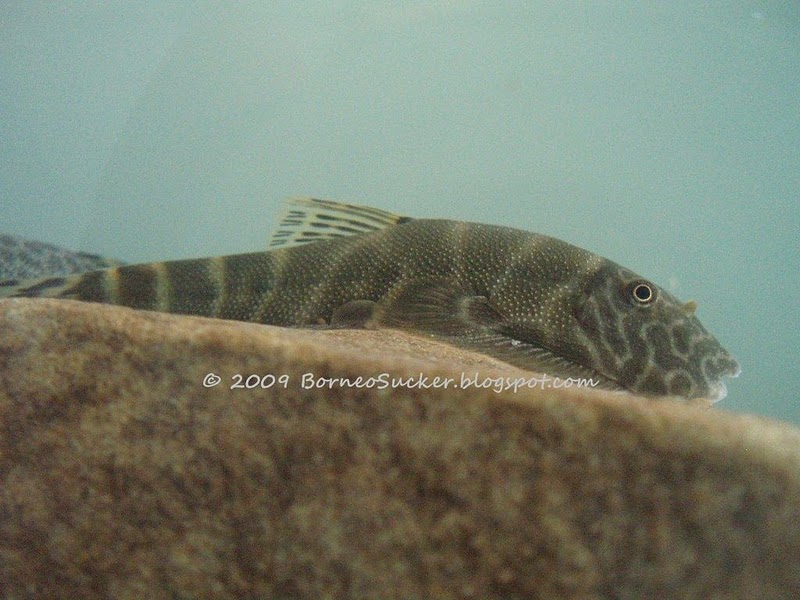
Gastromyzon extrorsus
Tan, 2006
Max length80mm SL3.1in SLTank75 × 30cm30 × 12inTemp20–24°C68–75°FpH6.0–8.0This species has probably not been seen in the aquarium trade yet but has been maintained by a few private collectors. It can be distinguished from congeners by the following combination of characters: secondary rostrum present; complete postoral pouch present; body colour brown with up to 9 thin gold stripes; head dorsum dark brown with gold reticulate pattern; subopercular groove absent; gill slit vertical; sublacrymal groove present; sno...
Hemiodontichthys acipenserinusPinocchio Whiptail Catfish
authority not recorded
Max length135mm SL5in SLTank75 × 30cm30 × 12inTemp24–28°C75–82°FpH6.0–7.0Also known as the knob nosed whiptail, this species is difficult to confuse with any other Loricariid due to its distinctive 'diamond' shape when viewed from above, and peculiarly shaped rostrum (nose), which is enlarged at the tip. It also lacks discernible odontotes on the head and pectoral fins. So distinctive is it, in fact, that it is currently monotypic (the only species in its genus). The species name is derived from its superficial resemblance to the sturgeons of the genus Acip...