Results for “scalation”
Type a name: scientific, common, or one a species used to go by. Or narrow the catalogue with the filters.
Filters
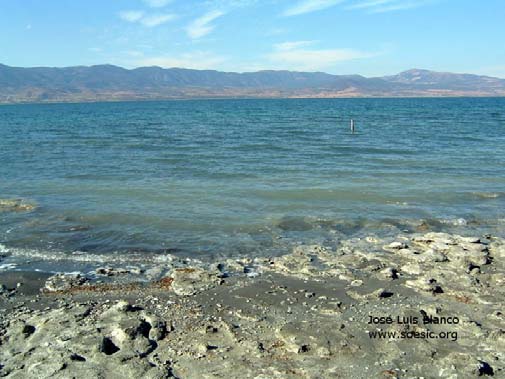
Anatolichthys sureyanusBurdur Toothcarp
Neu, 1937
Max length50mm SL2.0in SLTank120 × 30cm48 × 12inTemp5–22°C41–72°FpH8.0–10.0The elongated, slender body profile, angular lower jaw and reduced scalation exhibited by this little-known subspecies have seen it placed in the disused genera Anatolichthys and Kosswigichthys in the past. It has also been referred to, and still is in some cases, as A. transgrediens or more often A. burdurensis/burduricus. Some of these names were erected due to the differences in scalation that can be observed among the population in Lake Burdur but studies by Villwock and others revealed that...
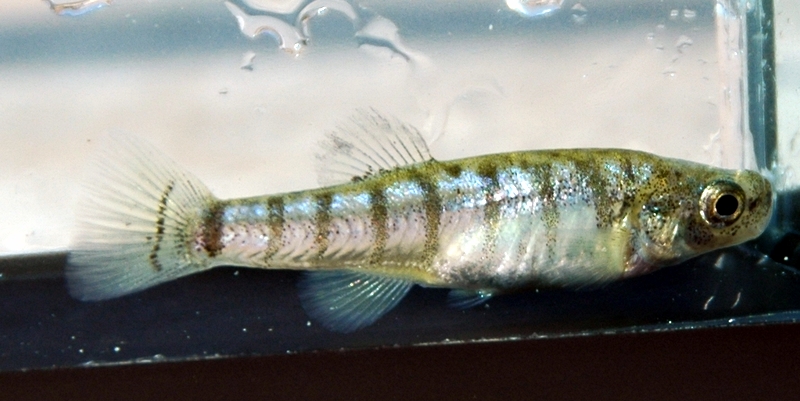
Anatolichthys saldaeSalda Toothcarp
Akşiray, 1955
Max length50mm SL2.0in SLTank120 × 30cm48 × 12inTemp6.5–22°C44–72°FpH8.0–10.0The elongated, slender body profile, angular lower jaw and reduced scalation exhibited by this little-known subspecies have seen it placed in the disused genera Anatolichthys and Kosswigichthys in the past and it's still inexplicably listed as a species of Lebias by some sources (for the record Lebias has long been considered a synonym of Cyprinodon by most authorities and an ICZN committee voted to suppress the name in favour of Aphanius as recently as 2003). You're unlikely to find i...
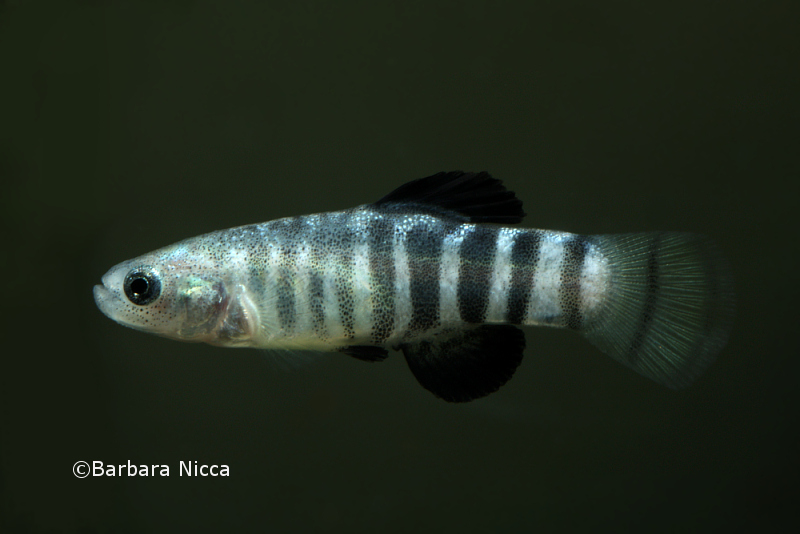
Anatolichthys transgrediensAcı Toothcarp
Ermin, 1946
Max length50mm SL2.0in SLTanknot recordedTempnot recordedpH8.0–10.0The modified lower jaw and reduced scalation exhibited by this little-known species have seen it placed in the disused genera Anatolichthys and Turkichthys in the past and it is still sometimes listed as a species of Lebias although that generic name has long been considered a synonym of Cyprinodon by most authorities and an ICZN committee voted to suppress the name in favour of Aphanius as recently as 2003. You're unlikely to find it on sale in aquatic stores although it ma...
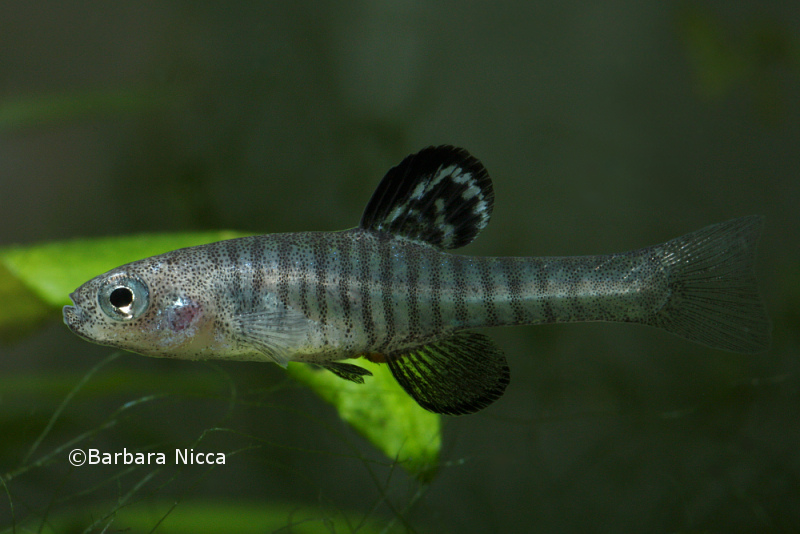
Kosswigichthys asquamatusHazar Toothcarp
Sözer, 1942
Max length40mm SL1.6in SLTank120 × 30cm48 × 12inTemp12–28°C54–82°FpHnot recordedThis little-known, relict species possesses some unique morphological and behavioural traits when compared with its congeners and the genus Kosswigichthys was erected for it in the original description. It has a much more elongate body profile than other Aphanius spp., almost total absence of scalation on the body and three rows of conical (as opposed to tricuspid in all other species) teeth which set it apart. Work by Franz and Villwock in the 1970s revealed it to be a member of Aphanius and showed ...
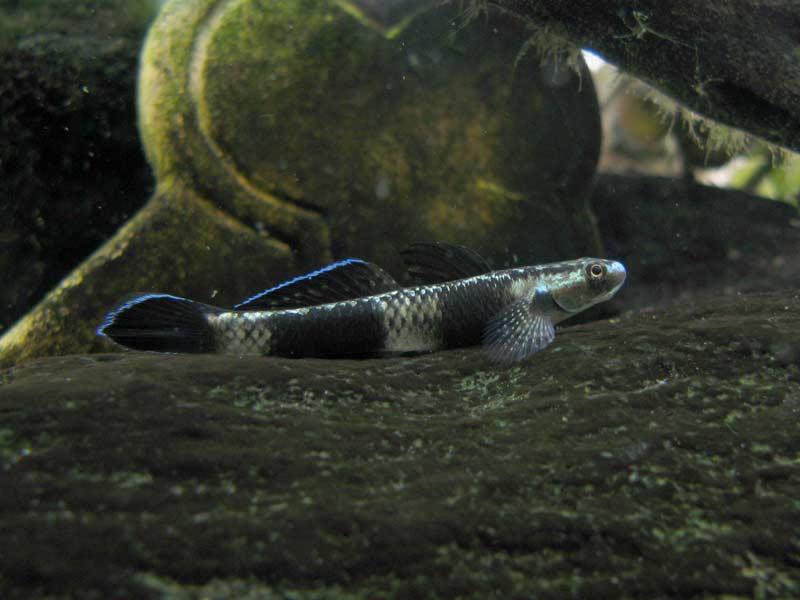
Stiphodon pelewensis
Herre, 1936
Max length45mm SL1.8in SLTank60 × 30cm24 × 12inTemp22–28°C72–82°FpH6.5–7.5This species seems not to have appeared in the trade and is similar to several congeners in appearance, most notably S. weberi which is native to the Maluku archipelago and other islands around the coast of Papua (formerly Irian Jaya). The two are said to be most easily-distinguished by examination of the belly which is fully-scaled in S. pelewensis but lacks scalation in S. weberi. The Gobiidae is the most speciose vertebrate family and notoriously problematic in terms of identifying fishes down to sp...