Results for “Maracyn-2”
Type a name: scientific, common, or one a species used to go by. Or narrow the catalogue with the filters.
Filters
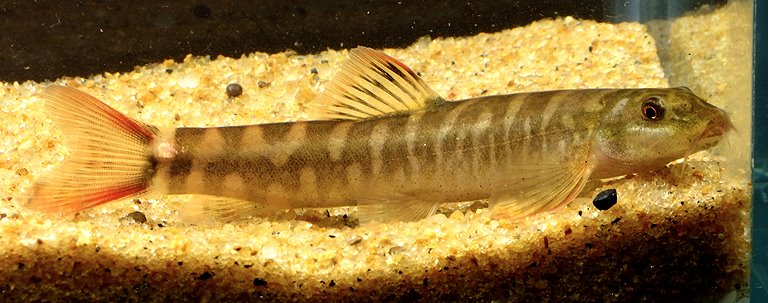
Schistura sp. 6
authority not recorded
Max length50mm SL2.0in SLTank80 × 30cm31 × 12inTemp18–24°C64–75°FpHnot recordedThis fish was collected for the aquarium trade during 2012 but its identity has not yet been established. The fish in our images were obtained at an unspecified locality in the Garo Hills, these for...
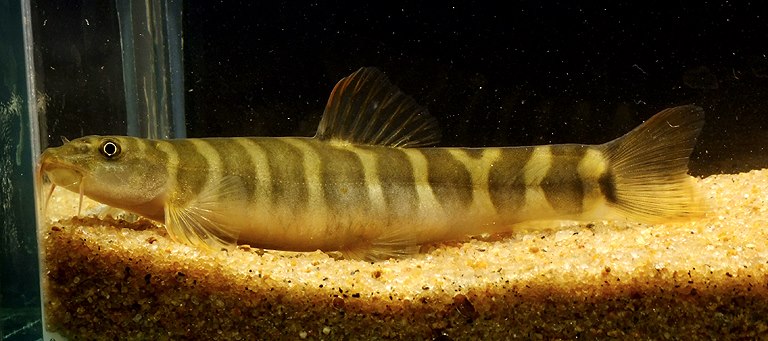
Schistura sp. 7
authority not recorded
Max length50mm SL2.0in SLTanknot recordedTempnot recordedpHnot recordedThis fish was collected for the aquarium trade during 2012 but its identity has not yet been established. Schistura is the most species-rich genus among nemacheilid loaches with some 190 members and it continues to grow with over 100 having be...
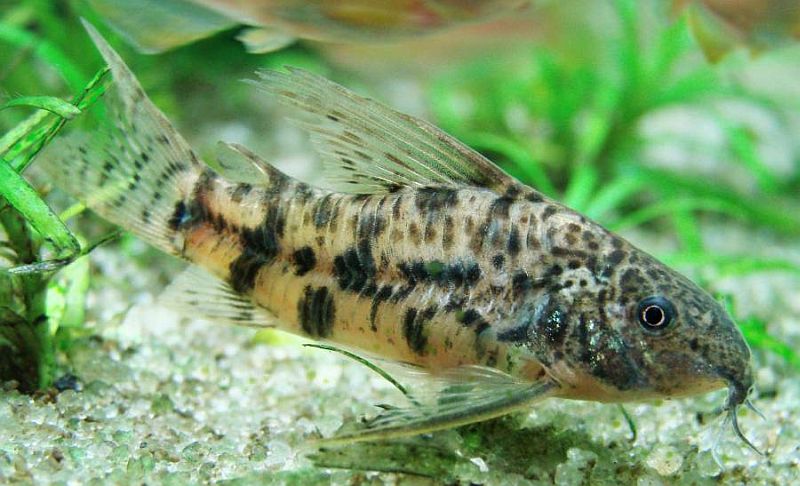
Scleromystax macropterusSailfin 'Cory'
Regan, 1913
Max length90mm SL3.5in SLTank120 × 45cm48 × 18inTemp14–20°C57–68°FpH5.0–7.0Known from minor rivers in the coastal states of São Paolo, Paraná, and Santa Catarina, southern Brazil, plus some tributaries of the rio Paraná basin in Paraguay. Type locality is 'Paranaguá, 25°32'S, 48°36'W, Paraná, Brazil'.
Scleropages jardiniiAustralian Arowana
authority not recorded
Max length900mm SL35in SLTank180 × 60cm72 × 24inTemp24–29°C75–84°FpH6.8–7.5Although S. jardinii superficially resembles its Asian cousins, it is not considered as desirable an aquarium inhabitant, nor is it classed as being at risk in nature. It can be easily distinguished from the asian species by its much smaller scale size, greater lateral scale count (32-35 as opposed to 21-25 in the asian aros) and duller patterning. It differs from its Australian relative S. leichardtii by its more sloping head, downward-pointing barbels and patterned gill covers. The base colour...
Scleropages leichardtiSpotted Australian Arowana
authority not recorded
Max length900mm SL35in SLTank180 × 60cm72 × 24inTempnot recordedpH6.8–7.5Although S. leichardtii superficially resembles its Asian cousins, it is not considered as desirable an aquarium inhabitant, nor is it classed as being at risk in nature. It can be easily distinguished from the asian species by its much smaller scale size, greater lateral scale count (32-35 as opposed to 21-25 in the asian aros) and duller patterning. It differs from its Australian relative S. jardinii by its spotted scales, forward-pointing barbels, lack of sloping head and unpatterned gill cov...
Serrasalmus altuveiAltuvei
authority not recorded
Max length173mm SL7in SLTank120 × 45cm48 × 18inTempnot recordedpHnot recordedS. altuvei is very scarce in the hobby, most commonly being found among imports of juvenile S. rhombeus (the type species of the genus). It's also known as the "Caribe azul" or "blue caribe" in the trade. There are currently 24 described species of Serrasalmus, many of which look superficially similar. This one is considered a member of the "compressed group". This grouping of morphologically similar species currently comprises S. altuvei, S. geryi, S. compress...
Serrasalmus geryiGéry's Pirambeba
authority not recorded
Max length181mm SL7in SLTank120 × 60cm48 × 24inTemp22–29°C72–84°FpHnot recordedS. geryi is sometimes sold as the "violet-line piranha" in reference to the unusal purple stripe that runs from the base of the lower jaw over the top of the body. It makes a stunning aquarium fish as it also possesses highly reflective scales, deep orange/red eyes and a compressed, high-bodied shape. Far from widespread in nature or the hobby, it tends to be pricey and highly sought-after when available. There are currently 24 described species of Serrasalmus, many of which look s...
Serrasalmus marginatus
authority not recorded
Max length221mm SL9in SLTank120 × 38cm48 × 15inTemp22–25°C72–77°FpHnot recordedThere are currently 24 described species of Serrasalmus, many of which look superficially similar. S. marginatus has at various times been considered a synonym of S. rhombeus and S. humeralis, but is currently considered to be distinct. It's main distinguishing feature is usually given as the thick, black, v-shaped marking in the anterior portion of the caudal fin. Juveniles are said to differ from similar-looking species such as S. compressus and S. altuvei because the dark body "spot...
Serrasalmus sancheziSanchez's Piranha
authority not recorded
Max length114mm SL4in SLTank120 × 30cm48 × 12inTemp24–28°C75–82°FpHnot recordedThere are currently 24 described species of Serrasalmus, many of which look superficially similar. S. sanchezi has frequently been confused with S. spilopleura in the past, and is sometimes still sold as "Spilo cf" or "Ruby-red Spilo". It actually appears to be more closely related to S. rhombeus or S. irritans than S. spilopleura. The characteristic red throat has also led to it being confused with S. medinai and even the red-bellied piranha Pygocentrus nattereri on occasion...
Serrasalmus serrulatus
authority not recorded
Max length190mm SL7in SLTank120 × 45cm48 × 18inTemp24–28°C75–82°FpHnot recordedThere are currently 24 described species of Serrasalmus, many of which look superficially similar. S. serrulatus occupies a particularly confusing taxonomic position and is very tricky to identify positively. According to scientific literature it is very close in appearance to several congeners, most notably S. eigenmanni, S. hollandi, S. humeralis and S. nalseni. The separation of these is largely based on geographical range and it's possible that some of them may turn out to be synonymous...
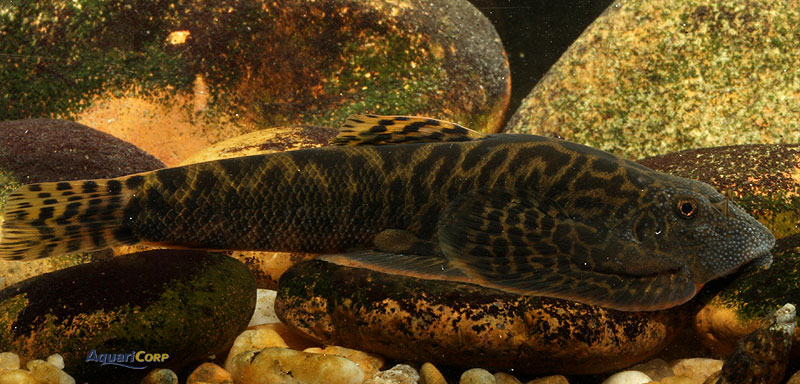
Sewellia elongata
Roberts, 1998
Max length75mm SL3.0in SLTank90 × 30cm36 × 12inTemp20–24°C68–75°FpH6.0–7.5This species appeared in the trade during 2010 and its identity has been confirmed to us by Thai exporter and aquarist Kamphol Udomritthiruj who collects it from the Se Kong system for the aquarium hobby. To date only subadult specimens have reached the western market.
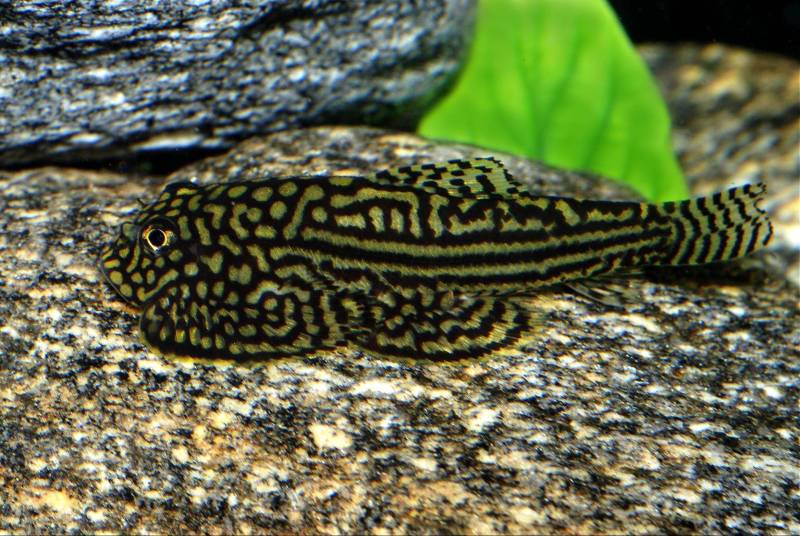
Sewellia lineolataTiger Hillstream Loach
Valenciennes, 1846
Max length65mm SL2.6in SLTank75 × 30cm30 × 12inTemp20–24°C68–75°FpH6.0–7.5S. lineolata was first recorded by Diard over 150 years prior to its 'rediscovery' in the early-1990s. It became available to the aquarium trade in the mid-2000s and swiftly established itself as one of the more popular balitorids in the hobby due to its attractive body markings and ease of breeding. It's also sold under the names 'reticulated hillstream loach', 'Vietnamese hillstream loach' and 'gold ring butterfly sucker'. It's difficult to...
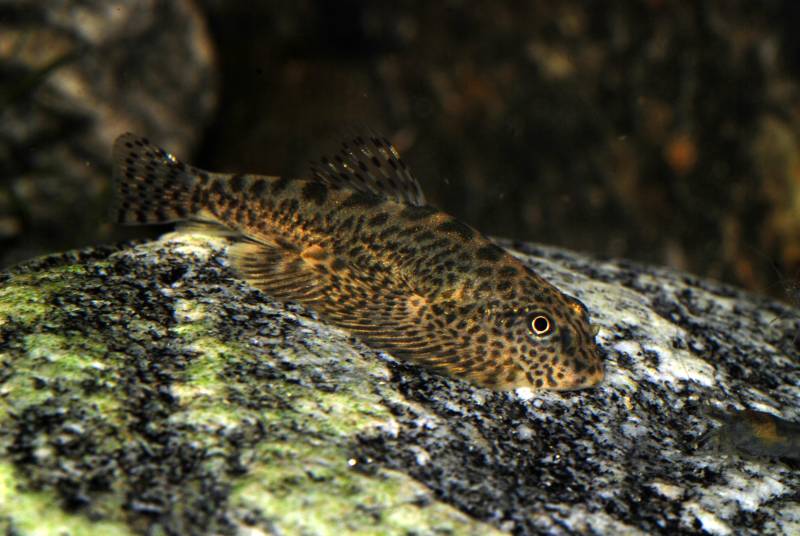
Sewellia speciosa
Roberts, 1998
Max length55mm SL2.2in SLTank75 × 30cm30 × 12inTemp20–24°C68–75°FpH6.0–7.5This species first became available in early 2010 and sometimes appears on trade lists under the vernacular names 'Laos sucker' or 'Laos Sakura sucker'. It's distinguishable from other members of the genus by the following combination of characters: body spotted and without stripes; no concentric bands on paired fins; origin of pelvic-fin below origin of dorsal-fin; origin of pectoral-fin posterior to corner of mouth; pelvic fin reaching origin of anal fin; small elevated ...
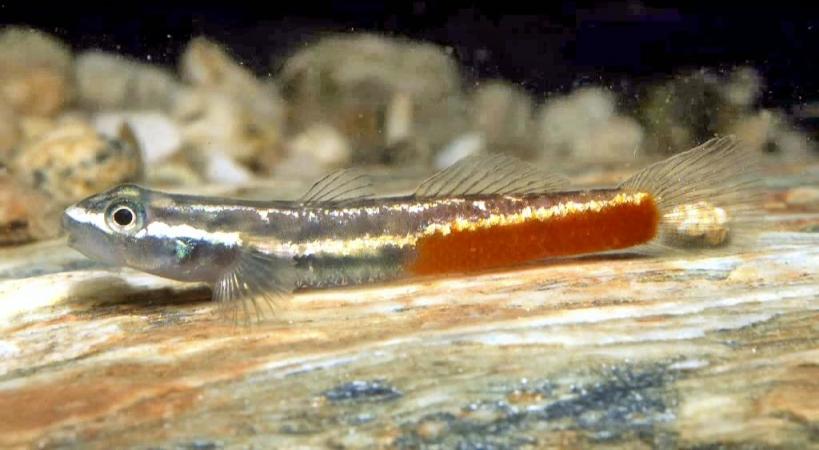
Sicyopus discordipinnis
Watson, 1995
Max length30mm SL1.2in SLTank60 × 30cm24 × 12inTemp22–26°C72–79°FpH6.0–7.5The fused pelvic fins form a structure normally referred to as the 'pelvic disc', a common feature among gobiids which is used to adhere to rocks and other submerged surfaces. In Sicyopus, as in Stiphodon, this is short-based and attached to the belly only between the fifth pair of fin rays whereas in other sicydiines it's attached between all five rays (Watson, 2005).
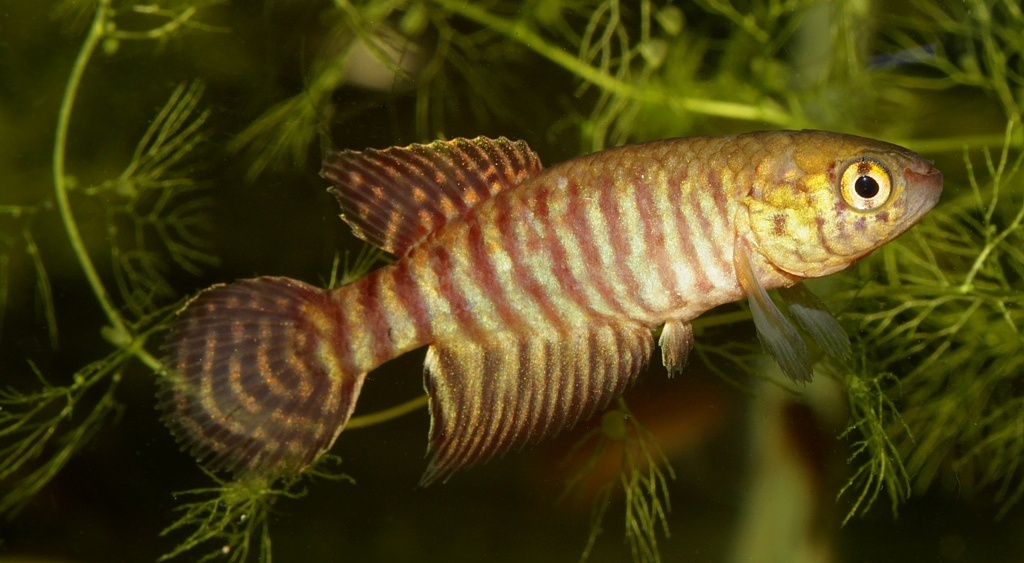
Simpsonichthys myersi
de Carvalho, 1971
Max length40mm SL1.6in SLTank45 × 30cm18 × 12inTemp20–27°C68–81°FpH5.5–7.0This species has a somewhat confusing taxonomic history and it remains unclear whether it is conspecific with S. izecksohni (Da Cruz, 1983) or not. The latter is considered to represent a synonym of S. myersi by Costa (2007), but the majority of authors do not follow the conclusions of that study (see below) and continue to view both as valid.
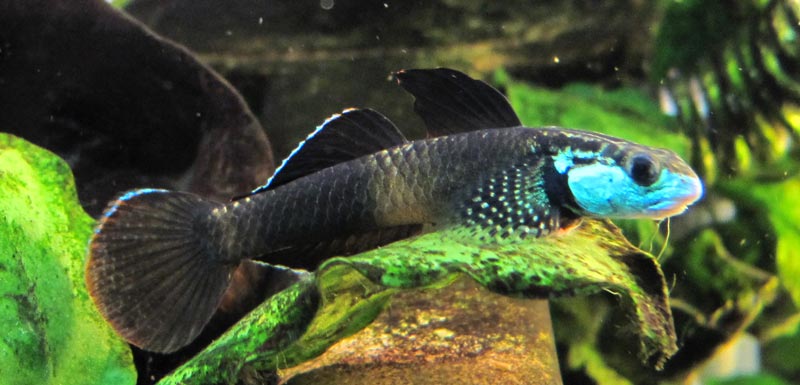
Stiphodon ornatusRainbow Stiphodon
Meinken, 1974
Max length70mm SL2.8in SLTank80 × 30cm31 × 12inTemp20–28°C68–82°FpH6.5–7.5This species is traded as S. sp. 'rainbow', S. sp. 'gold fin', or S. sp. 'gold cheek' and is among the more widely-available members of the genus although its identity was unclear prior to 2013. The most commonly-traded fish certainly appears to...
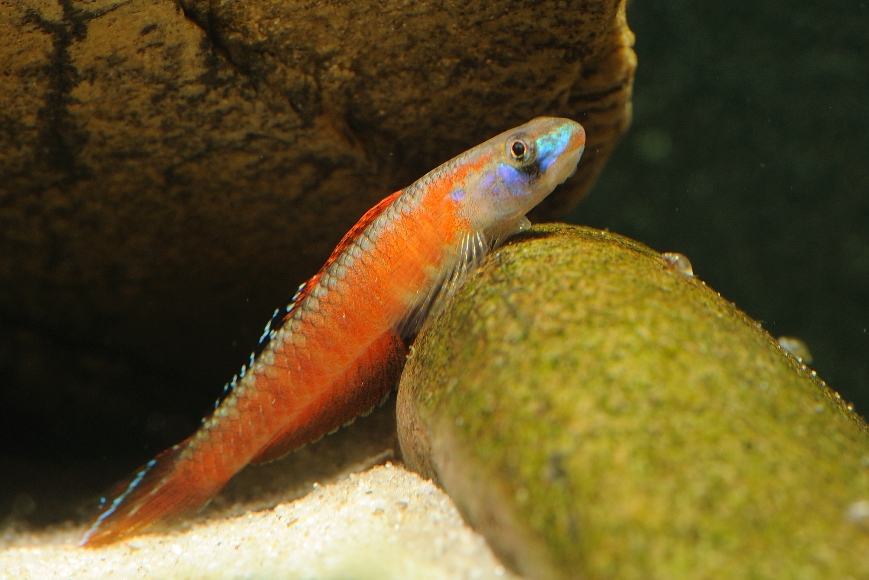
Stiphodon rutilaureus
Watson, 1996
Max length35mm SL1.4in SLTank60 × 30cm24 × 12inTemp22–28°C72–82°FpH6.5–7.5This species is not traded commercially at present and the specimen pictured above was brought back from northern Papua New Guinea by private collectors in 2008. It's diagnosable from other members in the genus by possession of 10 segmented rays in the second dorsal fin, males with filamentous spines in the firstandusually with 14 rays. Colour patterning in males is also distinctive (see 'Sexual Dimorphism'). The Gobiidae is the most speciose vert...
Sundadanio axelrodi
authority not recorded
Max length22mm SL0.9in SLTank30 × 20cm12 × 8inTemp23–26°C73–79°FpHnot recordedThis species was initially described as Rasbora axelrodi and is referred to as such in older literature, but in 1999 was moved into the new genus Sundadanio where it remains the monotype. Its wider placement within the family Cyprinidae is still not fully resolved. Following Rüber et al. (2007) it is most closely-related to the miniature species of the genus Paedocypris, the two genera characteristically lacking bones in the roof of the skull as well as exhibiting genetic similarities. Howe...
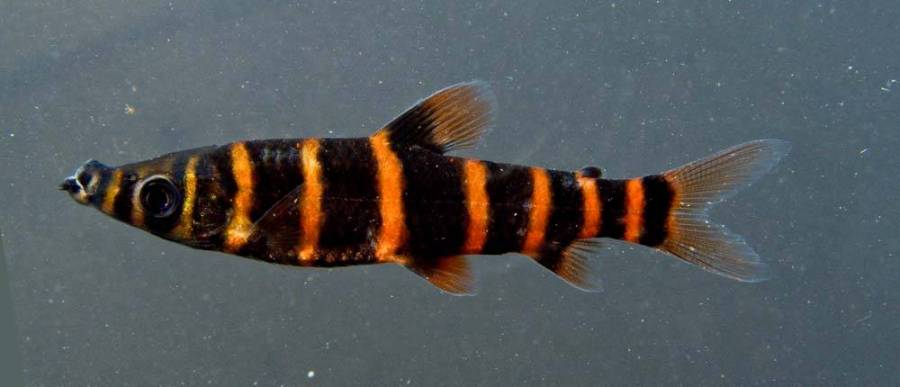
Synaptolaemus latofasciatus
Steindachner, 1910
Max length110mm SL4in SLTank120 × 45cm48 × 18inTemp20–28°C68–82°FpH5.0–7.5This species was described from a single specimen and included in the genus Leporinus until 2011 at which point the holotype was examined and recognised as corresponding to the fish described as Synaptolaemus cingulatus (Myers & Fernández-Yépez, 1950).
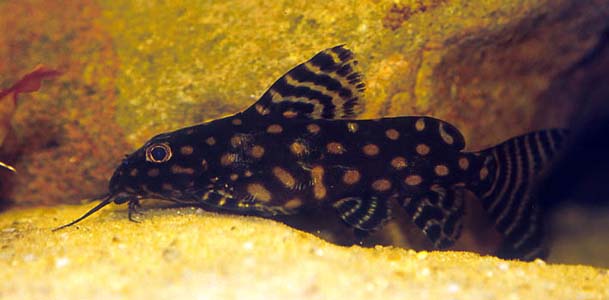
Synodontis angelicusPolka Dot Synodontis
Schilthuis, 1891
Max length250mm SL10in SLTank120 × 45cm48 × 18inTemp24–28°C75–82°FpH6.0–8.0A very nocturnal species that will be seen only infrequently during daylight hours. S. angelicus is very long-lived and can survive for over 20 years if maintained correctly. S. angelicus was much sought after when first imported and commanded a correspondingly large price. They are still relatively expensive, though prices have dropped considerably. It is quite a rare species in its native waters. The patterning and colour varies cosiderably, depending on type locality. Some specimens have w...