Results for “mode”
Type a name: scientific, common, or one a species used to go by. Or narrow the catalogue with the filters.
Filters
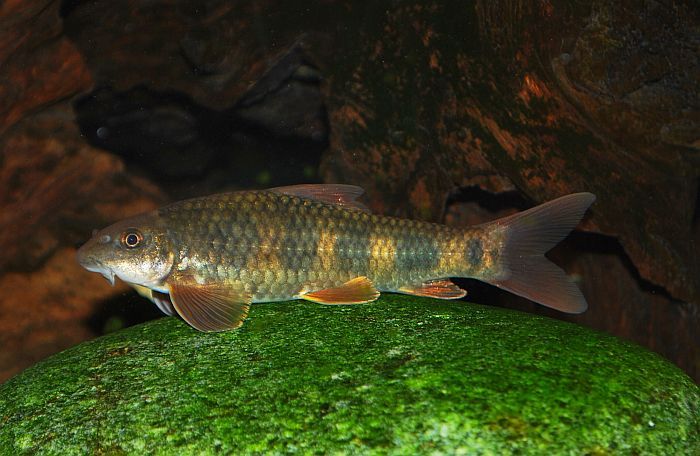
Garra spilota
Kullander & Fang, 2004
Max length69mm SL2.7in SLTank90 × 30cm36 × 12inTemp20–26°C68–79°FpH6.0–7.5The type locality is located in a hilly area mostly comprising bamboo forest. At time of collection the water was clear, colourless and flowing at a moderate pace over a substrate of rocks and gravel. It was 1-2 metres wide and maximum depth was only 0.5 metres. Due to the surrounding forest some stretches were shaded and others more open. Sympatric species included...
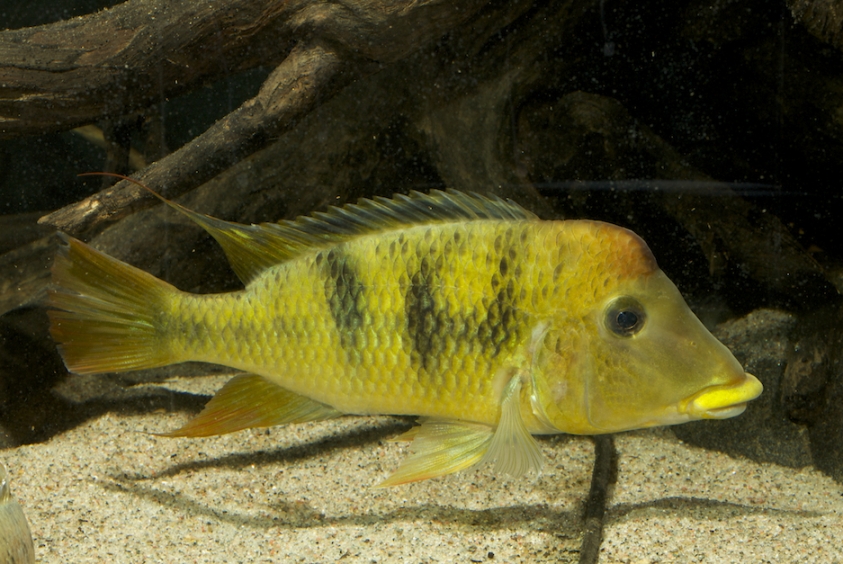
'Geophagus' pellegriniYellowhump Eartheater
Regan, 1912
Max length155mm SL6in SLTank120 × 45cm48 × 18inTemp25–30°C77–86°FpH5.0–6.0This species appears to be a relative ecological generalist. During a sampling trip in 1989 it was collected various habitat-types including a narrow (maximum width 3 m) stream containing shallow (maximum depth 1 m), transparent, moderate to fast-flowing water and substrate comprising gravel, mud, clay and organic debris including submerged logs. Aquatic plants consisted of water lilies and marginal vegetation was dense, comprising various trees, shrubs, grasses and ferns.
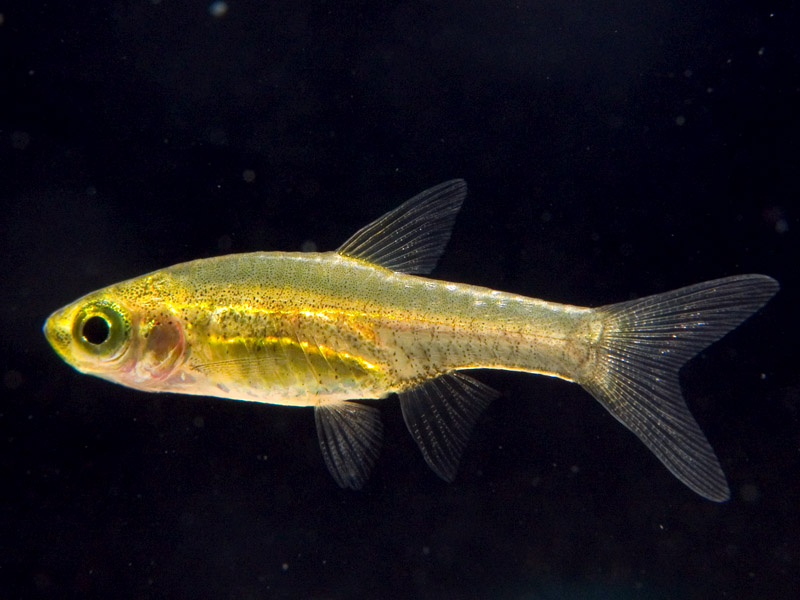
Horadandia atukorali
Deraniyagala, 1943
Max length30mm SL1.2in SLTank45 × 30cm18 × 12inTemp20–26°C68–79°FpH5.5–7.5The genus is monotypic and distinguished from other cyprinid taxa by a combination of a moderately compressed, elongated body with two rows of teeth on the lower pharyngeal (throat) bone and lacking barbles, visible lateral line and a symphyseal knob on the lower jaw (Talwar & Jhingran, 1991). Its small adult size evolved via a process known as miniaturisation characterised by sexually mature adults with a significantly reduced size of less than 20 mm SL. Among bony fishes cyprinids are one of the few groups in which this phenomenon occurs repeatedly...
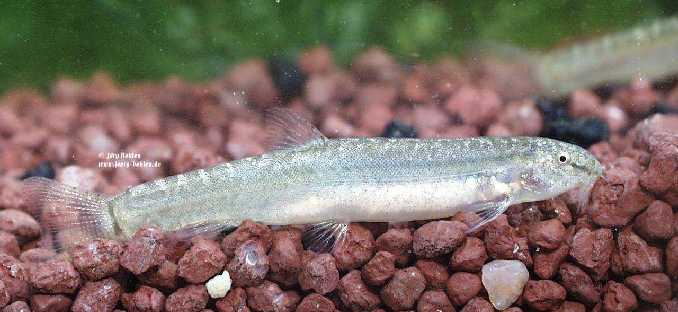
Lepidocephalichthys cf. irrorataLoktak Loach
Hora, 1921
Max length30mm SL1.2in SLTank45 × 30cm18 × 12inTemp20–25°C68–77°FpH5.5–7.5This species is not traded often but may occasionally be exported as bycatch among shipments of other species. It can be distinguished from congeners by the following combination of characters: presence of large, exposed scales on top of head; dorsal-fin origin posterior to pelvic-fin origin; moderate to small size (to 29 mm SL); caudal-fin emarginate and with dark reticulations; caudal-fin lobes with dark, elongated spots along upper and lower edges.
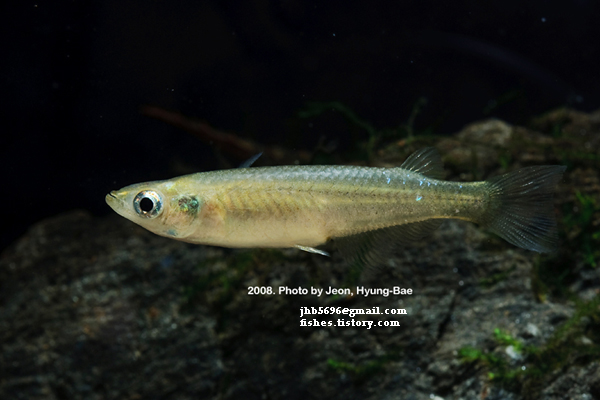
Oryzias latipesMedaka
Temminck & Schlegel, 1846
Max length36mm SL1.4in SLTank45 × 30cm18 × 12inTemp16–22°C61–72°FpH6.5–8.5Commonly known as 'Japanese rice fish' or simply 'rice fish', O. latipes is well-known to science having been widely used as a model organism in genomic and experimental biology for well over a century and was the first vertebrate animal to mate in space during the mid-1990s. It's also been a popular aquarium fish for many years, though is less widely-available than it once was, with the ornamental 'gold' vari...
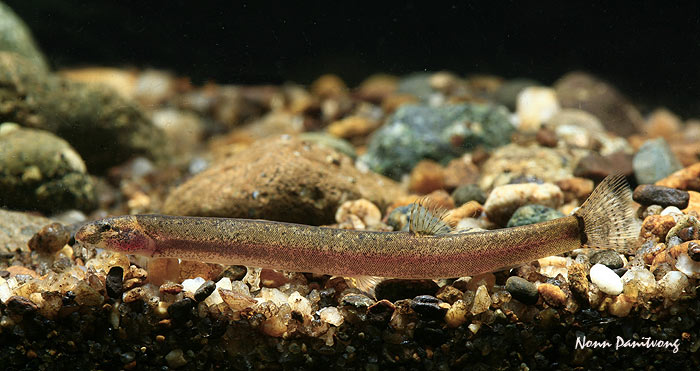
Pangio piperata
Kottelat & Lim, 1993
Max length60mm SL2.4in SLTank45 × 30cm18 × 12inTemp21–26°C70–79°FpH4.0–7.5Some Sumatran and Bornean populations of the highly variable P. shelfordii superficially resemble P. piperata which can cause issues with identification as the two often occur together. In general however the body patterning in P. piperata is than that of P. shelfordii and they differ in vertebral counts (mode 47 vs. 50, respectively).
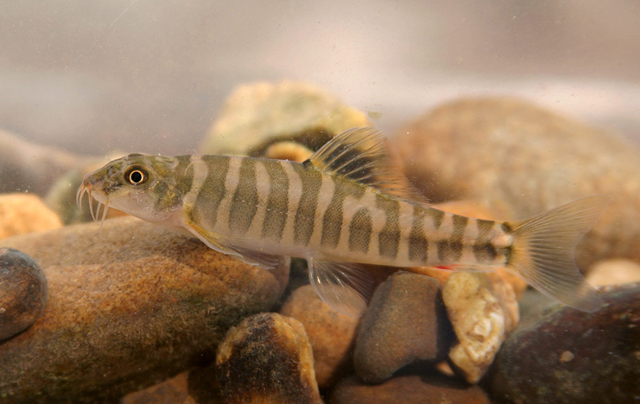
Schistura maepaiensis
Kottelat, 1990
Max length45mm SL1.8in SLTank80 × 30cm31 × 12inTemp20–26°C68–79°FpH6.0–7.5The type locality originally consisted of a shallow (0.5 - 1.5 m deep) stream with a substrate of rocks and boulders and flow varying from 'moderate to swift'. When the holotype was collected there in 1980 sympatric species included Acanthocobitis zonalternans, Puntius orphoides, Pethia ticto, Raiamas guttatus, Barilius barnoides, Mystacoleucus argenteus and Mastacembelus armatus plus unidentified members of Crossocheilus an...
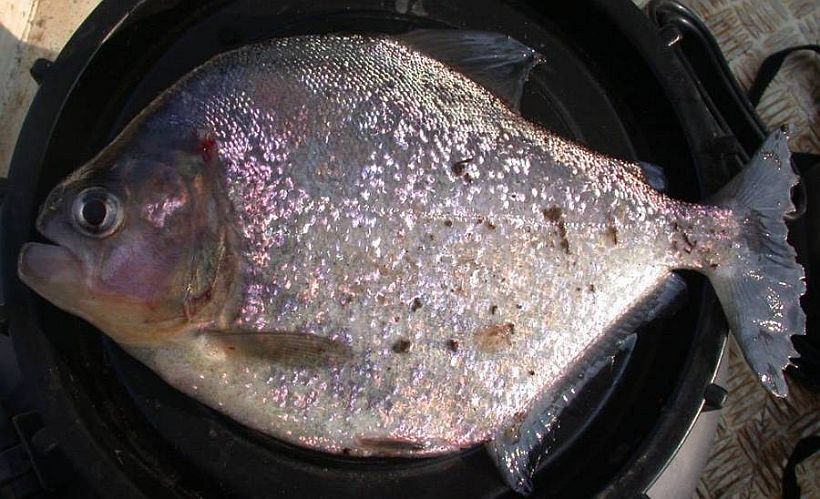
Serrasalmus gouldingiGoulding's Piranha
Fink & Machado-Allison, 1992
Max length280mm SL11in SLTank150 × 60cm60 × 24inTemp24–28°C75–82°FpH4.0–7.0This species occasionally appears in the ornamental trade where it is sometimes referred to as 'blue tiger piranha' Following Fink and Macaht can be distinguished from other members of the genus by the following combination of characters: body shape deep and rhomboid; head robust, snout blunt; eye large; mouth moderate, jaw projecting; 1-3 ontogeneticlly var...
Synodontis schoutedeniVermiculated Synodontis
authority not recorded
Max length138mm SL5in SLTank90 × 30cm36 × 12inTemp22–27°C72–81°FpH6.0–7.5In our opinion, this is one of the most attractively marked Synos commonly available in the hobby. The colour and patterning can vary considerably and the vermiculated pattern seems to intensify with age in well kept fish. When taken into consideration with its moderate adult size, this is an ideal beginners's Syno. One point worth noting is that this species seems very susceptible to bloating. While the cause of this is unknown, we suggest that feeding of dried foods be kept to a minimum. ...
Vieja zonataOaxaca Cichlid
authority not recorded
Max length250mm SL10in SLTanknot recordedTemp23–30°C73–86°FpH7.0–7.5A hardy and easy to keep cichlid, albeit a moderately aggressive one. Rarely available in aquatic stores, this fish is occasionally available through specialist cichlid dealers.
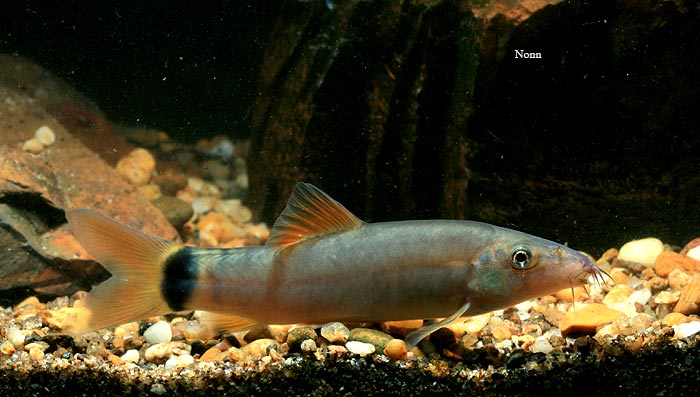
Yasuhikotakia leconteiSilver Loach
Fowler, 1937
Max length150mm SL6in SLTank120 × 45cm48 × 18inTemp23–28°C73–82°FpH6.0–8.0This species is sometimes confused with Y. modesta though in reality the two are readily distinguishable from one another by body shape since Y. lecontei is a slimmer, more elongate fish. Further, in Y. lecontei the overall body colouration is usually brownish with a gold/green sheen and the dark markings...
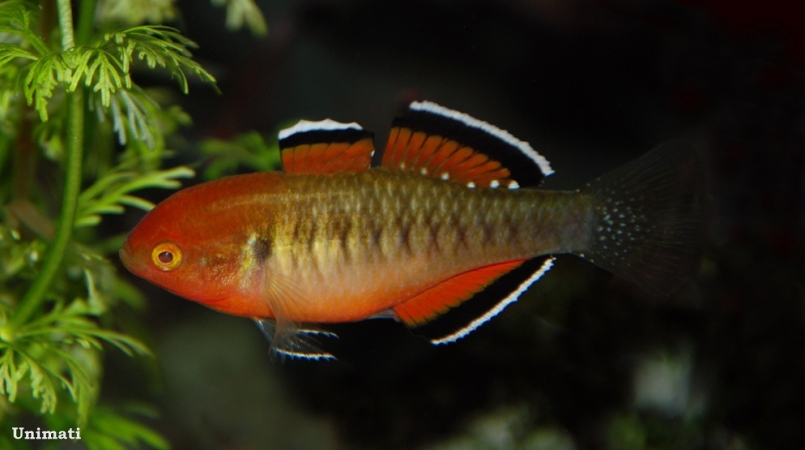
Hypseleotris compressaEmpire Gudgeon
Krefft, 1864
Matched on Eleotris modesta, a name it was formerly known by
Max length120mm SL5in SLTank80 × 30cm31 × 12inTemp20–35°C68–95°FpH5.0–9.1Occurs in northern and eastern Australia and southern New Guinea. In the former its range extends from the Pilbara and Kimberley regions of Western Australia state around the northern and eastern coastlines of the continent as far as the Towamba river system in New South Wales state.