Results for “várzea”
Type a name: scientific, common, or one a species used to go by. Or narrow the catalogue with the filters.
Filters
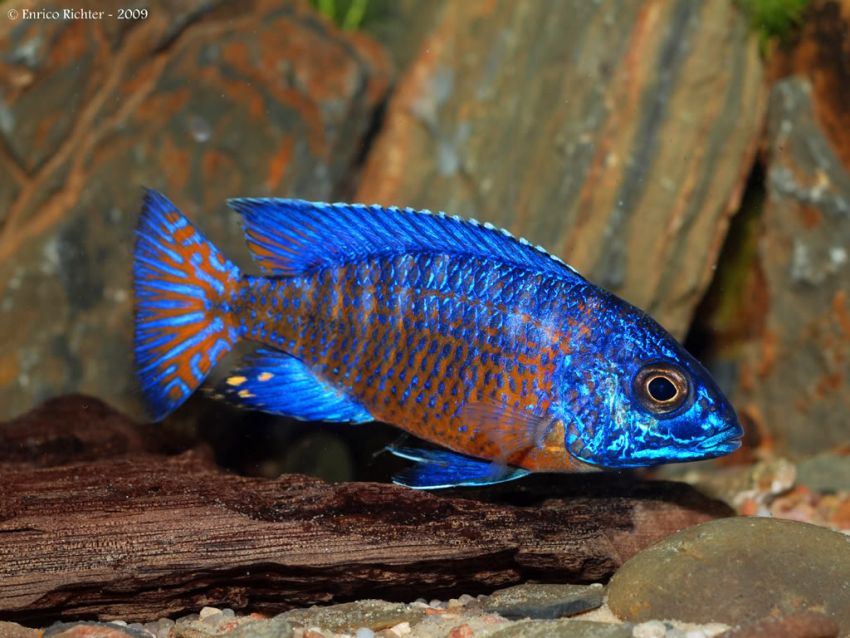
Aulonocara stuartgrantiGrant's Peacock
Meyer & Riehl, 1985
Max length130mm SL5in SLTank120 × 45cm48 × 18inTemp23–29°C73–84°FpH7.5–9.0Males of this species occur in a wide range of colour forms depending on locality, with blue variants being found predominantly (but not exclusively) towards the north of the lake and yellow in the south. This variation, alongside its relatively extensive distribution, has resulted in some taxonomical issues, several of which have not yet been resolved. For example, two forms from the southwest of the lake are referred to as A. sp. "stuartgranti maleri" and A. sp. "stuartgranti mbenji", respectively, and may turn out to be distinct species given their colour patterns an...
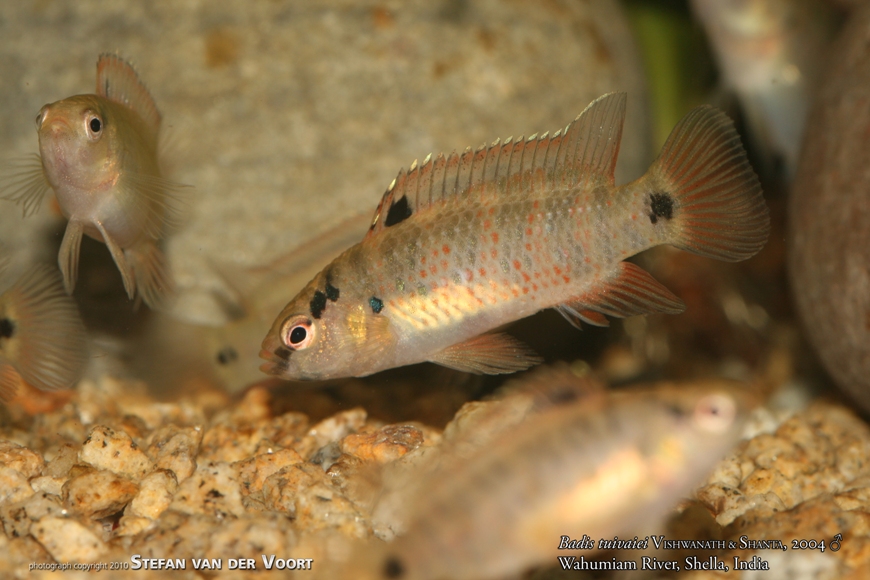
Badis tuivaiei
Vishwanath & Shanta, 2004
Max length85mm SL3.3in SLTank60 × 30cm24 × 12inTemp20–24°C68–75°FpH6.5–7.5This fish has yet to appear in the aquatic trade and only been exported in extremely limited numbers to date. Specimens collected from the Wahumiam River close to the settlement of Shella Bholaganj by Peter Cottle and Andrew Rao in 2006 were initially considered an undescribed species and referred to as B. sp.'Wahumiam River' or B. sp. 'terracotta', but later found to match B. tuivaiei in terms of morphology, meristics, etc. (S. van der Voort, pers. comm.).
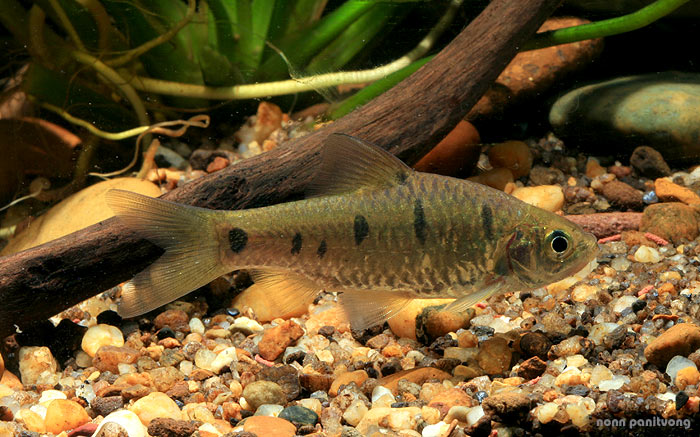
Barbodes aurotaeniatus
Tirant, 1885
Max length65mm SL2.6in SLTank80 × 30cm31 × 12inTemp18–26°C64–79°FpH6.0–7.5B. aurotaeniatus is uncommon in the aquarium trade. Following Kottelat (1998) it has a single pair of maxillary barbels, a complete lateral line and colour pattern usually comprising four small, vertically-orientated black markings on the flanks (located above anterior lateral line origin, below dorsal-fin origin, below posterior end of dorsal-fin base and on caudal peduncle, respectively) and one on the dorsal surface, below dorsal-fin origin.
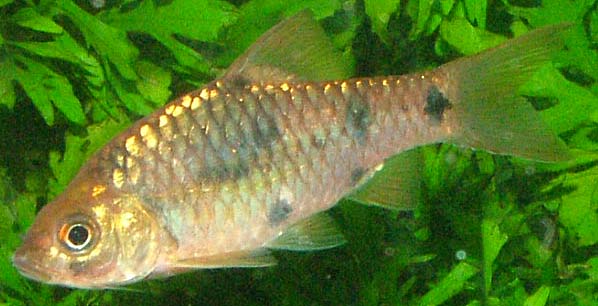
Barbodes banksi
Herre, 1940
Max length110mm SL4in SLTank120 × 45cm48 × 18inTemp22–28°C72–82°FpH6.0–7.5This species is not often seen in the aquarium hobby but occasionally exported as bycatch among shipments of other fishes. It was described as a subspecies of the closely-related 'P.' binotatus but is currently considered distinct on a tentative basis as per Ng and Tan (1999) who stated it is 'likely' that the two represent extreme colour forms of a single, variably-patterned species.
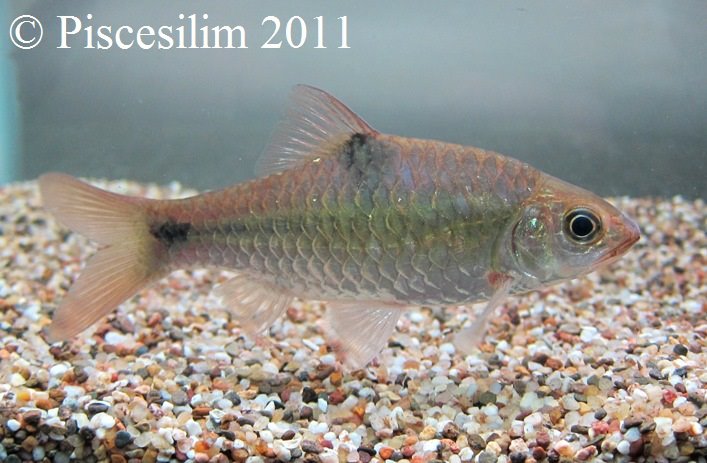
Barbodes binotatusSpotted Barb
Valenciennes, 1842
Max length200mm SL8in SLTank120 × 45cm48 × 18inTemp18–30°C64–86°FpH6.0–7.5This species is so ubiquitous across its natural range that it's often referred to simply as 'common barb'. Basic adult colour pattern consists of a small, dark spot at the base of the dorsal-fin origin and another on the caudal peduncle but overall appearance varies somewhat depending on origin, with the anterior dark spot enlarged ventrally forming a bar or posterior spot extending into the caudal-fin, for example. The spots may also appear darker or lighter in some individuals.
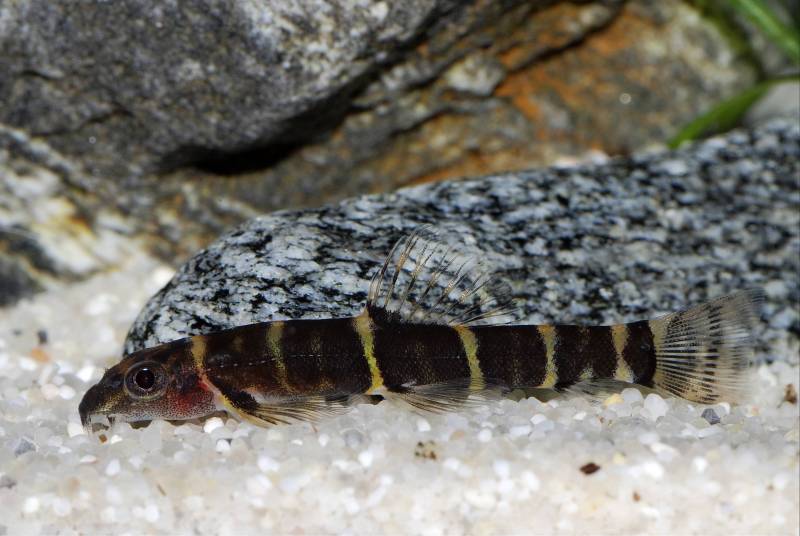
Barbucca diabolica
Roberts, 1989
Max length50mm SL2.0in SLTank60 × 30cm24 × 12inTemp20–25°C68–77°FpH5.5–7.5Barbucca spp. are uncommon in the aquarium trade but available periodically. There exist several undescribed species and it's possible that more than one has been exported, although to date only B. diabolica is officially recognised. Most of the fish we've seen possess red eyes (when viewed at certain angles), unique tuberculation and six dark body stripes as mentioned in Roberts' description although there are exceptio...
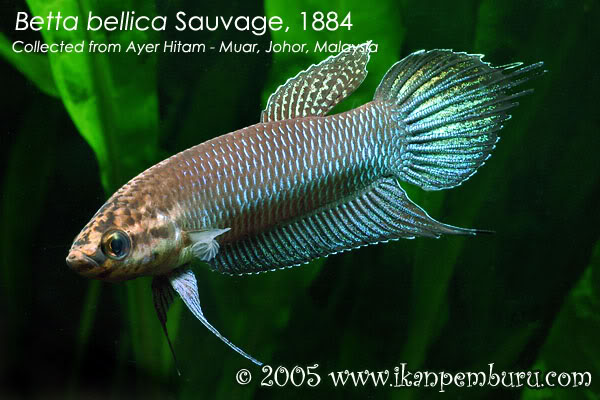
Betta bellicaSlender Betta
Sauvage, 1884
Max length90mm SL3.5in SLTank80 × 30cm31 × 12inTemp25–30°C77–86°FpH4.0–7.0This species lends it name to the B. bellica group/complex of closely-related species within the genus, an assemblage of which members share the following set of characters: long and slender body with dorsal and ventral margins almost parallel; body depth 23-28 % SL; 30-33 anal-fin rays; 11-13 dorsal-fin rays; 32-34 total vertebrae; body dark brown in colour with iridescent green markings on each individual scale.
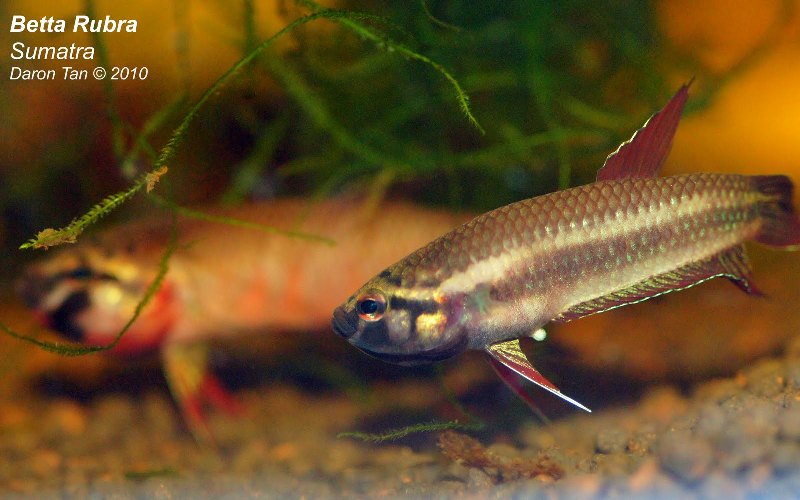
Betta dennisyongi
Tan, 2013
Max length36mm SL1.4in SLTank45 × 30cm18 × 12inTemp22–27°C72–81°FpH5.0–7.0This species is available in the aquarium hobby but is not traded in large numbers and may have been inadvertently hybridised with the similar-looking congener B. rubra prior to its description since they're typically exported mixed together. It's included in the B. rubra group of closely-related species within the genus, an assemblage erected by Schindler and van der Voort (2012) who...
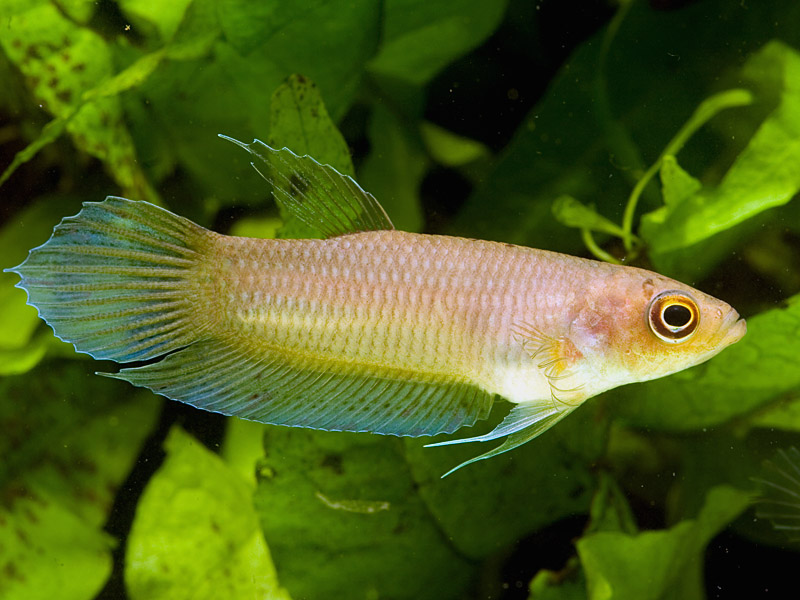
Betta hipposideros
Ng & Kottelat, 1994
Max length80mm SL3.1in SLTank80 × 30cm31 × 12inTemp22–28°C72–82°FpH3.5–6.0The easiest way to distinguish these is by examining the throat markings, which vary according to species, and in the case of B. hipposideros form a black horse-shoe shape. It can also be separated from other group members by the following suite of characters: dark blotch on throat joined to black lower lip; presence of transverse bars in dorsal and caudal fins; absence of dark margin in anal-fin; opercle usually with gold scales, without iridescrent green scales; ventral margin of opercle brown; 6.5-7 subdorsal scales (mode 6.5); 9-10 postdorsal scales (mode 9.5); 31-32 lateral scales (mode 32).
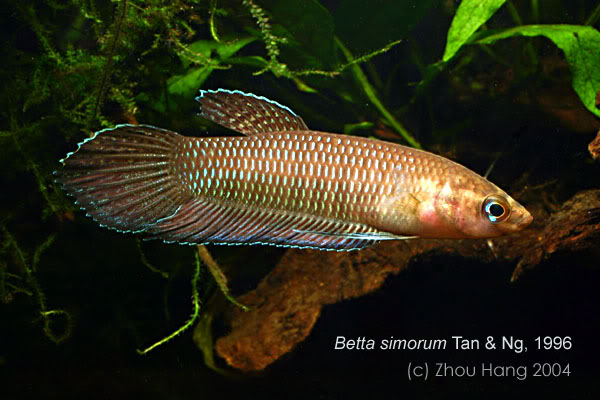
Betta simorum
Tan & Ng, 1996
Max length90mm SL3.5in SLTank80 × 30cm31 × 12inTemp25–30°C77–86°FpH3.0–6.0This species is included in the B. bellica group/complex of closely-related species within the genus, an assemblage of which members share the following set of characters: long and slender body with dorsal and ventral margins almost parallel; body depth 23-28 % SL; 30-33 anal-fin rays; 11-13 dorsal-fin rays; 32-34 total vertebrae; body dark brown in colour with iridescent green markings on each individual scale.
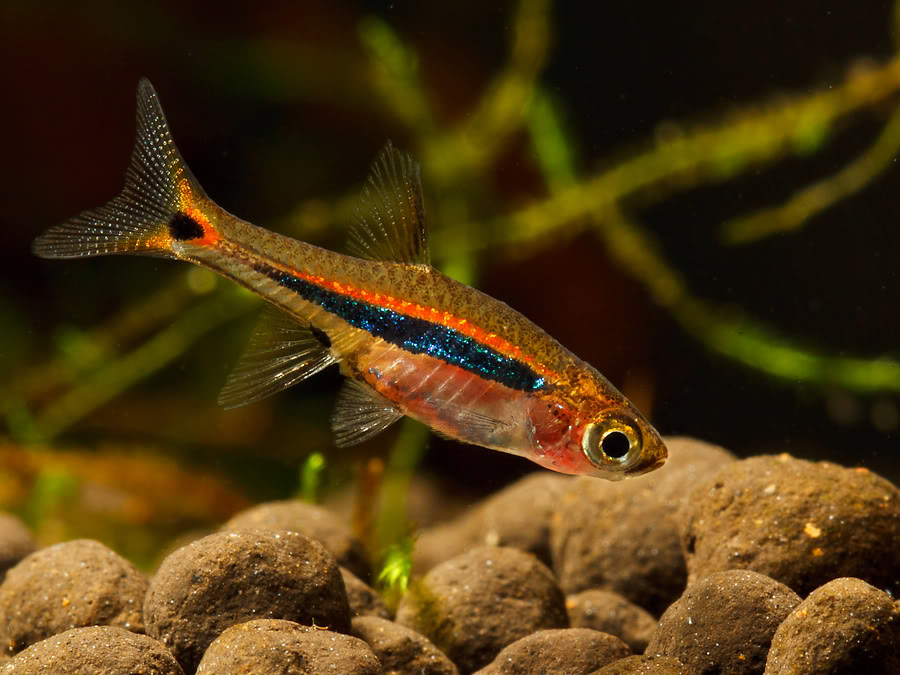
Boraras urophthalmoides
Kottelat, 1991
Max length16mm SL0.6in SLTank45 × 30cm18 × 12inTemp20–28°C68–82°FpH6.0–7.0The anatomical structure of miniaturised cyprinids can vary greatly, and there are two principle 'groupings' with some species possessing intermediate features to some degree. The first contains those fishes which though small are essentially proportionally dwarfed versions of their larger relatives, e.g., Barboides, Microdevario, Microrasbora, Horadandia, Boraras, Sawbwa, Sundadanio, Danio, Laubuca and Rasbora. The other includes those in which anatom...
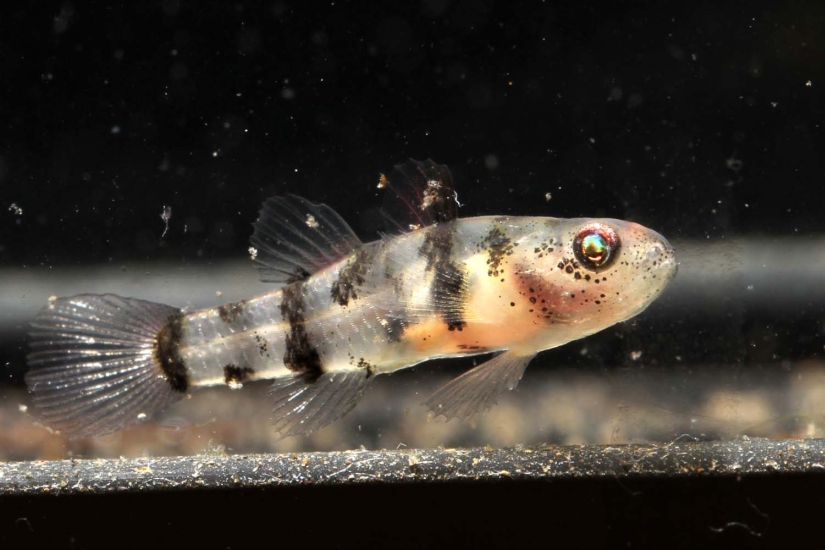
Brachygobius mekongensisMekong Bumblebee Goby
Larson & Vidthayanon, 2000
Max length18mm SL0.7in SLTank45 × 30cm18 × 12inTemp22–28°C72–82°FpH5.5–7.5Apparently restricted to slow-moving or standing freshwater habitats such as marshes, temporal swamps and floodplains where aquatic vegetation and submerged grasses proliferate. One locality consisted of undisturbed marshland with lightly tannin-stained water and dense growth of Vallisneria spp.
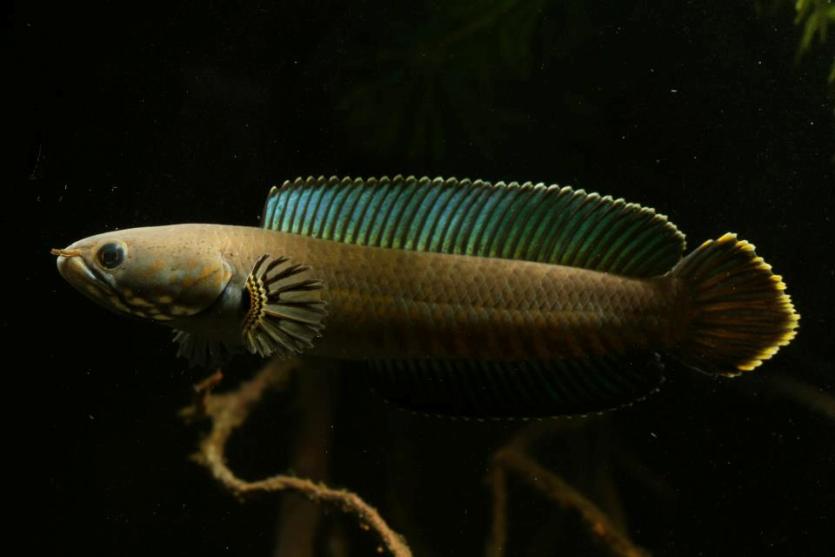
Channa andraoLal Cheng
Britz, 2013
Max length110mm SL4in SLTank80 × 30cm31 × 12inTemp14–28°C57–82°FpH6.0–8.0This species was available in the aquarium hobby for a number of years prior to description and continues to be traded under various names including C. sp. 'Lal Cheng', C. sp. 'Assam', C. sp. 'blue bleheri', C. sp. 'himalayanus', and C. sp. 'red'. The names of valid, but distinct, congeners such as C. amphibeus, C. bleheri or C. stewartii have also been misapplied to it.
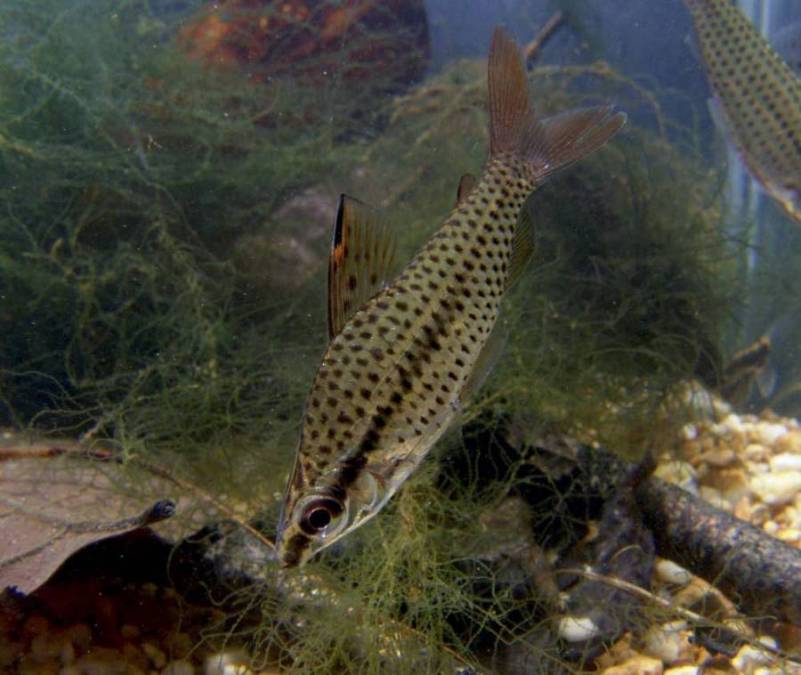
Chilodus punctatusSpotted Headstander
Müller & Troschel, 1844
Max length80mm SL3.1in SLTank90 × 30cm36 × 12inTemp20–28°C68–82°FpH5.0–7.5Omnivorous and will accept most foods offered, with the stomach contents of wild specimens varying on a seasonal basis but mostly comprising insects and insect larvae (orders Trichoptera, Hemiptera, Homoptera) plus some terrestrial fruits and even scales of other fishes (Sánchez et al., 2003). In the aquarium offer live Daphnia, Artemia, Moina, bloodowrm, etc., vegetable matter in the form of blanched spinach, lettuce, cucumber, fruit, algae wafers, etc., and good quality, sinking dried foods.
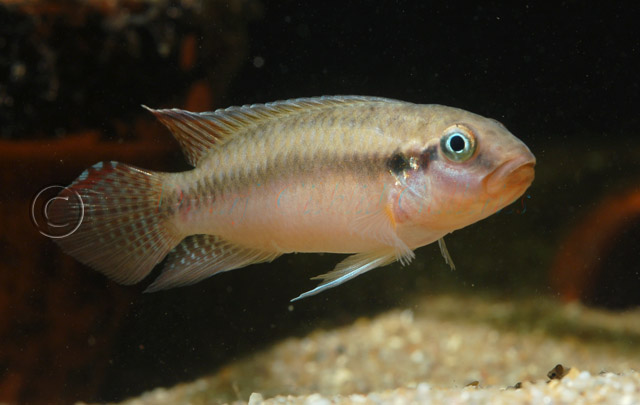
Congochromis sabinae
Lamboj, 2005
Max length70mm SL2.8in SLTank60 × 30cm24 × 12inTemp24–27°C75–81°FpH4.0–6.0This species was present in the hobby for some time prior to being officially described and the spectacular red fish first exported by Pierre Brichard in the 1960s appears to be a regional form of it. It was also known variously as Nanochromis sp. 'Bamanja', N. sp. 'Genema', N. sp. 'Makoua' and N. sp. Bloody Mary' prior to description, and continues to be mislabelled as N. squamiceps on trade lists. Diagnosis of C. sabinae is possible via a combination of c...
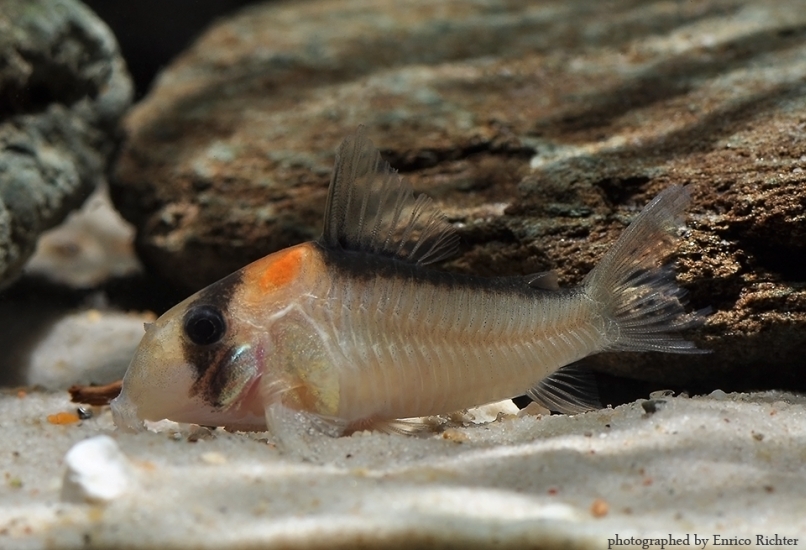
Corydoras adolfoiAdolfo's Cory
Burgess, 1982
Max length60mm SL2.4in SLTanknot recordedTemp20–26°C68–79°FpH4.0–7.0Type locality is given as 'Small tributary of the upper Rio Negro on the equator near São Gabriel da Cachoeira, Brazil', and this species is apparently highly endemic there. Some sources state that it also occurs in the rio Uaupés (known as 'Vaupés' in Colombia), a major tributary of the Negro, but we've been unable to obtain confirmation thus far.
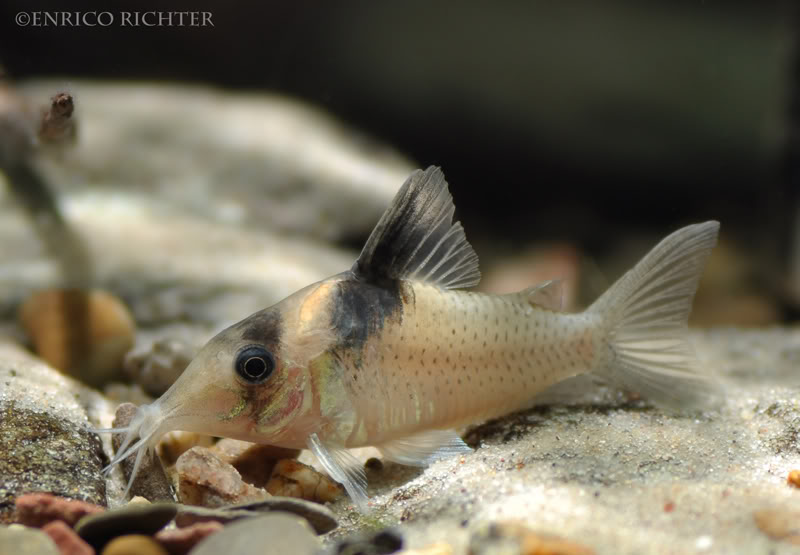
Corydoras amandajanea
Sands, 1995
Max length65mm SL2.6in SLTanknot recordedTemp23–27°C73–81°FpH6.0–7.5C. amandajanea is rare in the aquarium trade and appears to be variable in colour pattern to an extent, with some individuals posssessing relatively larger dark spots on the body, for example. Unfortunately diagnostic characters cannot be provided since we've been unable to obtain the type description, and little has been written about this species since it was published.
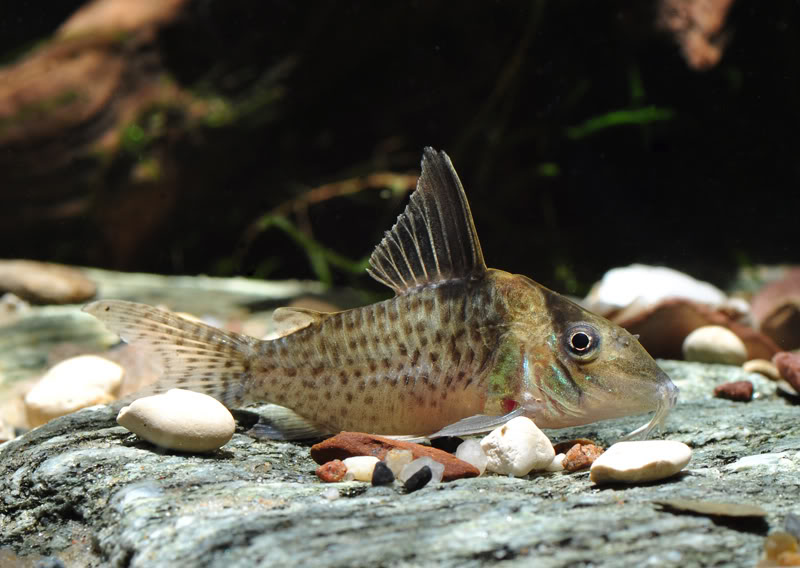
Corydoras brevirostrisSpotted Cory
Fraser-Brunner, 1947
Max length60mm SL2.4in SLTanknot recordedTemp20–26°C68–79°FpH6.0–7.5C. brevirostris was described from an aquarium specimen apparently exported from the Río Orinoco drainage in Venezuela, and its wider distribution is somewhat vague, usually being given as the Orinoco system plus unnamed coastal rivers in Suriname. This represents a somewhat disjunct pattern of distribution and if correct the species is also likely to occur in Guyana.
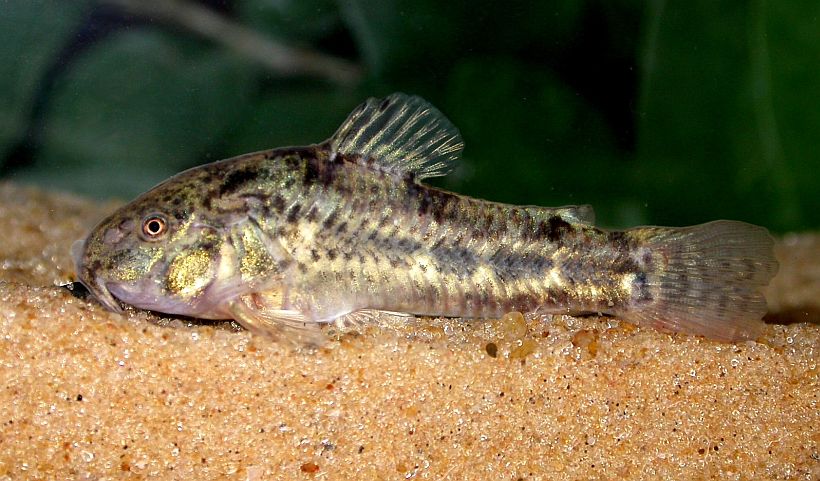
Corydoras gladysae
Calviño & Alonso, 2010
Max length38mm SL1.5in SLTank60 × 30cm24 × 12inTemp8–16°C46–61°FpH7.5–8.5The Río Calchaquí rises at almost 6000 m AMSL and flows swiftly through a mountainous valley where it is largely fed by snow melt. The climate is semi-arid and cool with an air temperature of 12-18°C, while rainfall is largely concentrated during summer when the flow can be torrential. The water is hard and rich in salts, with pH measured at 8.04 during the month of August. Aquatic vegetation and filamentous algae grow around the margins and in tributaries.
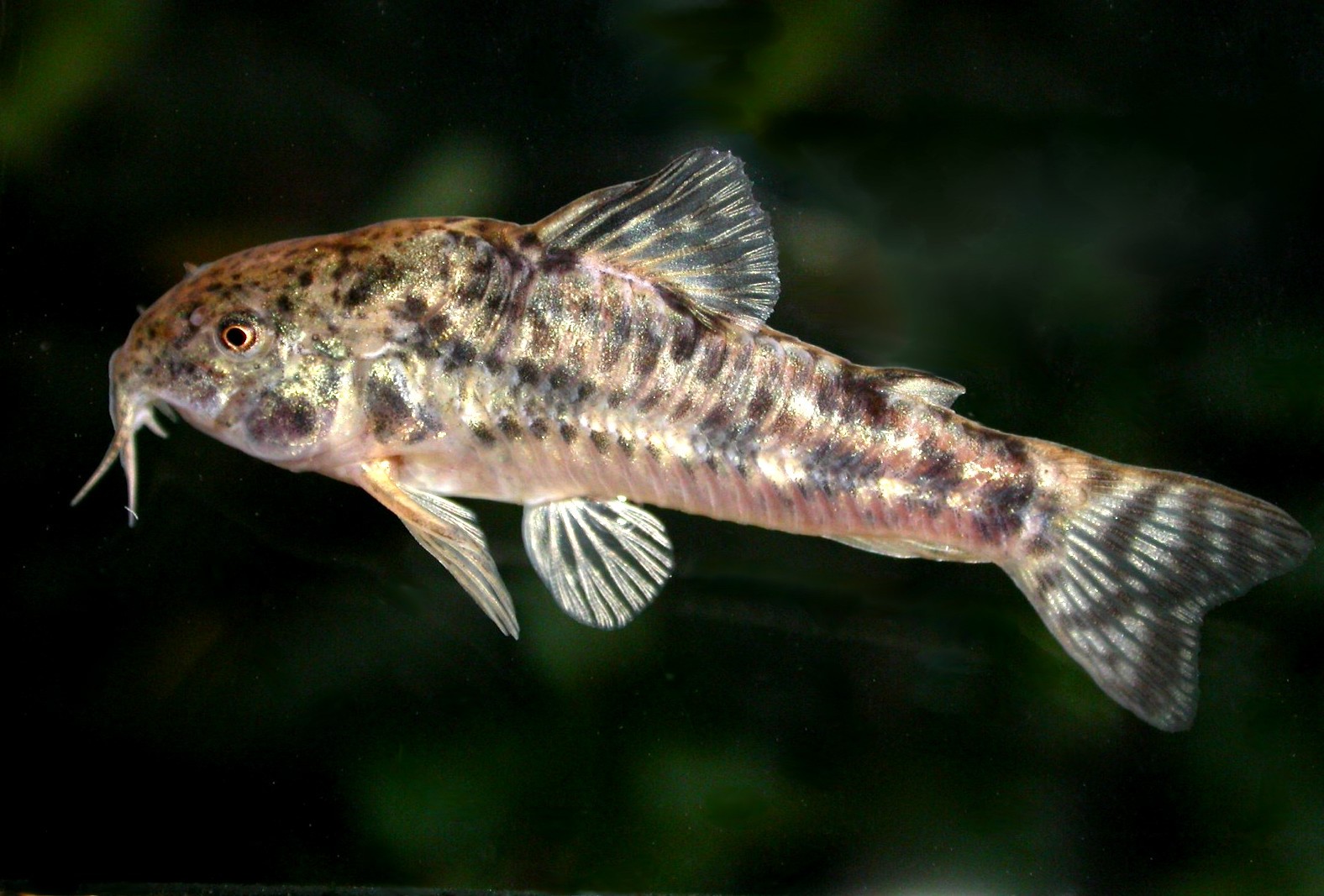
Corydoras petracinii
Calviño & Alonso, 2010
Max length38mm SL1.5in SLTank60 × 30cm24 × 12inTemp10–20°C50–68°FpH7.0–8.0It also exhibits morphological adaptations to an existence among rocks in a flowing environment, such as a cryptic colour pattern, reduced spine length in the dorsal and pectoral fins, ventrally-oriented pectoral fins, slightly emarginate caudal-fin, and reduced body depth. Reduced fin spines and body depth are typical features associated with the related genus Aspidoras, but the...