Results for “concentric”
Type a name: scientific, common, or one a species used to go by. Or narrow the catalogue with the filters.
Filters
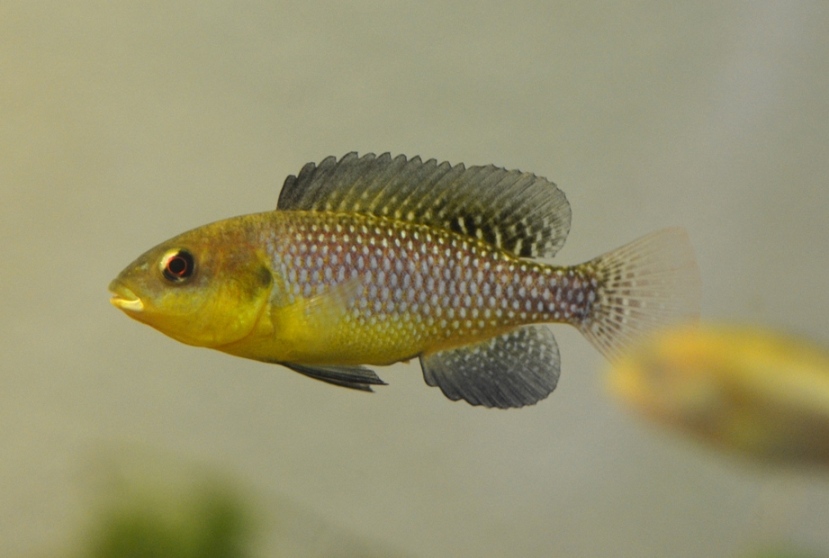
Alcolapia alcalicaSoda Cichlid
Hilgendorf, 1905
Max length115mm SL5in SLTanknot recordedTemp28–38°C82–100°FpH8.0–10.0This cichlid is a true wonder of nature. It lives in a soda lake which is full of hot, alkaline springs. The water contains a high concentration of sodium carbonate and other dissolved minerals and salts. The water conditions in the lake are typically pH 9.5-10.5, kH 7000+ and temperature 90-110°F! The water also has a sg reading of 1.2+ and is very shallow, having a maximum depth of only 2 metres. The fish can be acclimatised to more 'normal' conditions but the pH should not be al...
Alcolapia grahamiGraham's Soda Cichlid
Boulenger, 1912
Max length120mm SL5in SLTank90 × 30cm36 × 12inTempnot recordedpH8.0–10.0This species is a true wonder of nature. It lives in a soda lake which is full of hot, alkaline springs. The water contains a high concentration of sodium carbonate and other dissolved minerals and salts. The water conditions in the lake are typically pH 9.5-10.5, kH 7000+ and temperature 90-110°F! The water also has a sg reading of 1.2+ and is very shallow, having a maximum depth of only 3 metres. It can be acclimatised to more 'normal' conditions but the pH should not be allowed ...
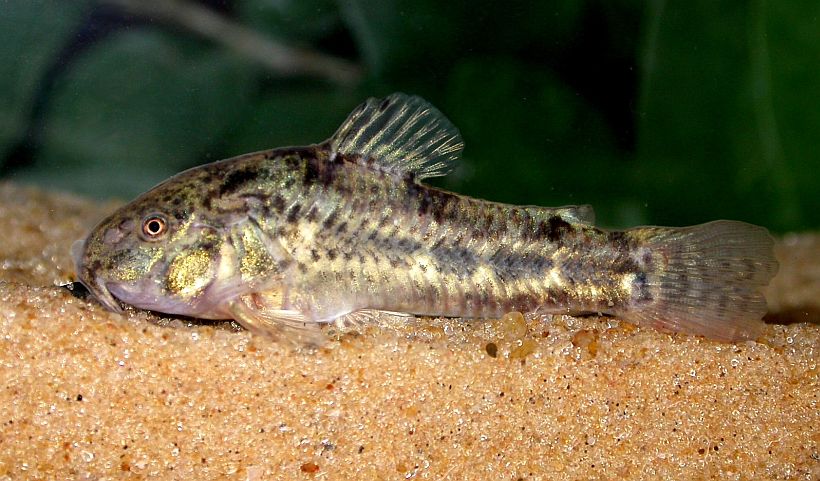
Corydoras gladysae
Calviño & Alonso, 2010
Max length38mm SL1.5in SLTank60 × 30cm24 × 12inTemp8–16°C46–61°FpH7.5–8.5The Río Calchaquí rises at almost 6000 m AMSL and flows swiftly through a mountainous valley where it is largely fed by snow melt. The climate is semi-arid and cool with an air temperature of 12-18°C, while rainfall is largely concentrated during summer when the flow can be torrential. The water is hard and rich in salts, with pH measured at 8.04 during the month of August. Aquatic vegetation and filamentous algae grow around the margins and in tributaries.
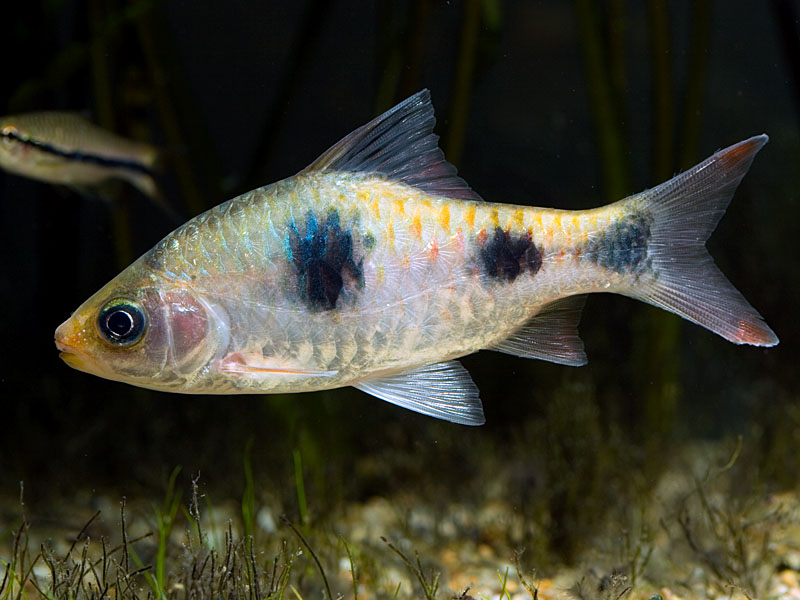
Dawkinsia rubrotinctus
Jerdon, 1849
Max length90mm SL3.5in SLTank120 × 45cm48 × 18inTemp18–25°C64–77°FpH6.0–7.5This species may have appeared in the aquarium trade under the misapplied names Puntius arulius or P. tambraparniei in the past, both of which are also now classified within Dawkinsia. See the relevant profiles for D. arulius and D. tambraparniei for additional information regarding that confusion, since here we concentrate on D. rubrotinctus. It was initially described by Jerdon in 1849 but placed in synonymy with P. arulius by Day (1878), where it remained for ov...
Osphronemus exodonElephant Ear Gourami
authority not recorded
Max length600mm SL24in SLTank180 × 60cm72 × 24inTemp20–30°C68–86°FpH6.5–8.0A bizarre and very recent addition to the genus, O. exodon is infrequently imported to the hobby, but has been seen occasionally. It has specially adapted mouthparts whereby it has greatly enlarged teeth. An extra set of teeth can also be seen growing in concentric bands on the outer lips! These are used in nature to literally 'pick' fruit from overhanging branches, with the fish often leaping from the water to grab a particularly juicy fig or other fruit. When the mouth of the fish is...
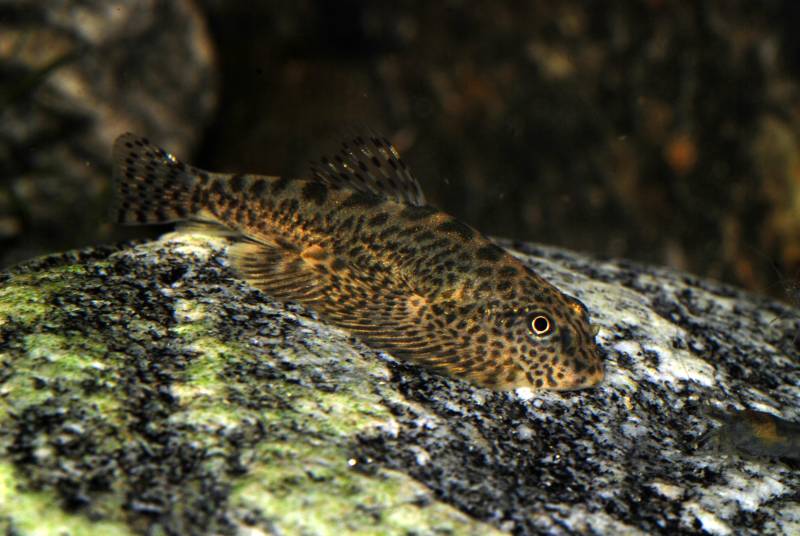
Sewellia speciosa
Roberts, 1998
Max length55mm SL2.2in SLTank75 × 30cm30 × 12inTemp20–24°C68–75°FpH6.0–7.5This species first became available in early 2010 and sometimes appears on trade lists under the vernacular names 'Laos sucker' or 'Laos Sakura sucker'. It's distinguishable from other members of the genus by the following combination of characters: body spotted and without stripes; no concentric bands on paired fins; origin of pelvic-fin below origin of dorsal-fin; origin of pectoral-fin posterior to corner of mouth; pelvic fin reaching origin of anal fin; small elevated ...