Results for “dusky”
Type a name: scientific, common, or one a species used to go by. Or narrow the catalogue with the filters.
Filters
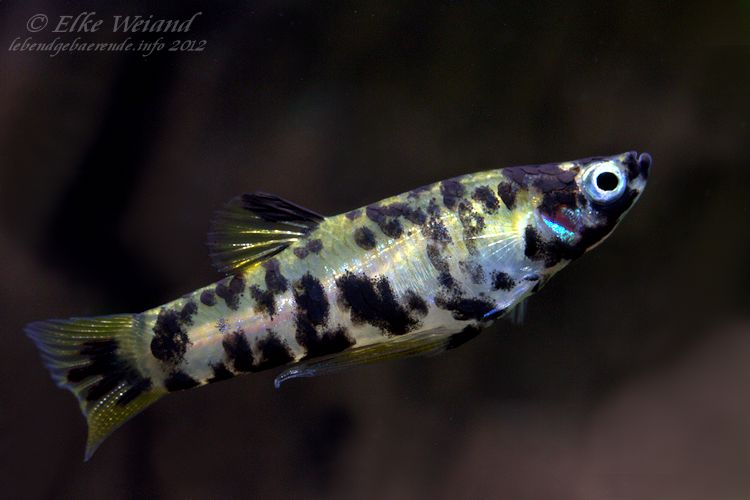
Phalloceros caudimaculatusDusky Millions Fish
Hensel, 1868
Matched on the common name Dusky Millions Fish
Max length70mm SL2.8in SLTanknot recordedTemp16–22°C61–72°FpH7.0–8.0Occurs naturally in Brazil, Paraguay, Uruguay and Argentina with feral populations in Australia, New Zealand, Ethiopia and Malawi which were purportedly introduced for purposes of mosquito control but are now considered invasive. Following Lucinda (2008) its natural range comprises the Lagoa dos Patos system, lower rio Uruguai, rio Tramandaí, and rio Mampituba in Rio Grande do Sul st...
Triportheus angulatusDusky Narrow Hatchetfish
authority not recorded
Matched on the common name Dusky Narrow Hatchetfish
Max length165mm SL6in SLTank120 × 30cm48 × 12inTemp22–30°C72–86°FpH5.0–7.5An attractive but not often seen species in the hobby. This is quite odd considering how common it is in many of its native habitats, where it is known as sardina. It has very strong pectoral muscles, and uses these to jump from the water to catch flying insects or to escape potential predators. It can make leaps of several metres in length....
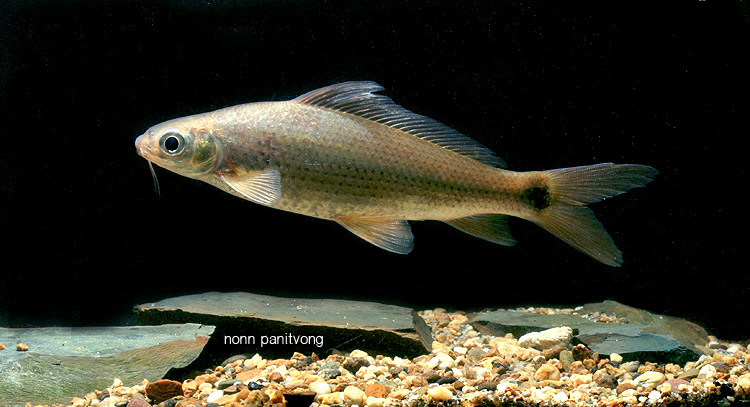
Labiobarbus siamensis
Sauvage, 1881
Max length200mm SL8in SLTanknot recordedTempnot recordedpHnot recordedL. siamensis can be distinguished from congeners by the following combination of characters: 39-42 scales in the lateral series; shoulder spot usually absent, but sometimes well-defined; body with longitudinal stripes formed by a spot on each scale; dorsal fin with dusky median stripe and no red coloration; caudal fin dusky, sometimes with reddish coloration, but no well-defined stripes; 20-23 circumpeduncular scales...
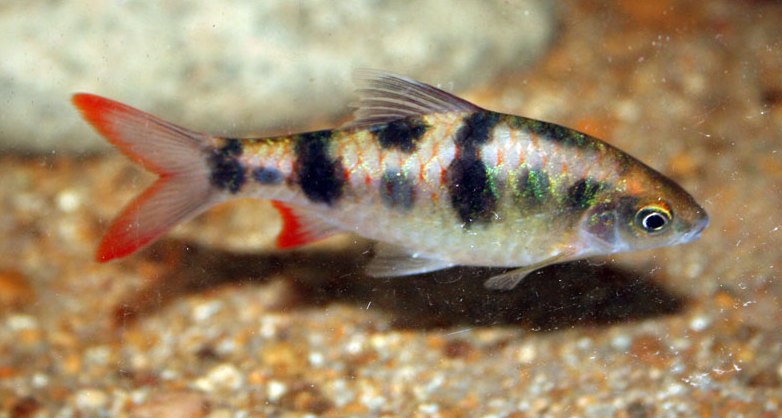
Dawkinsia tambraparniei'Arulius' Barb
Silas, 1954
Max length130mm SL5in SLTank120 × 45cm48 × 18inTemp18–25°C64–77°FpH6.0–8.0D. exclamatio should also have a sub-terminal mouth and lack dorsal-fin filaments but some specimens possess a terminal mouth and/or possess dorsal filaments, and one specimen also had black caudal-fin tips as typically seen in D. filamentosa, whereas the description states that the fin tips are only dusky and lack distinctive markings.
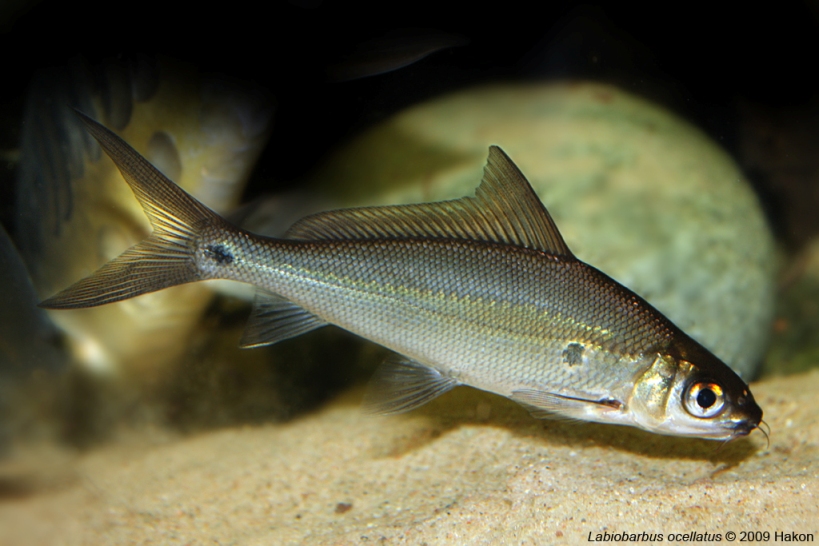
Labiobarbus ocellatus
Heckel, 1843
Max length180mm SL7in SLTank150 × 45cm60 × 18inTemp20–28°C68–82°FpH6.0–7.5It can be distinguished from congeners by the following combination of characters: 61-68 scales in the lateral series; a small, well-defined, sometimes ocellated black spot on the shoulder and another in the centre of the caudal peduncle; body without longitudinal stripes formed by spots on scales; caudal fin uniformly dusky or colourless, lobes without stripes or black margins.