Results for “perforation”
Type a name: scientific, common, or one a species used to go by. Or narrow the catalogue with the filters.
Filters
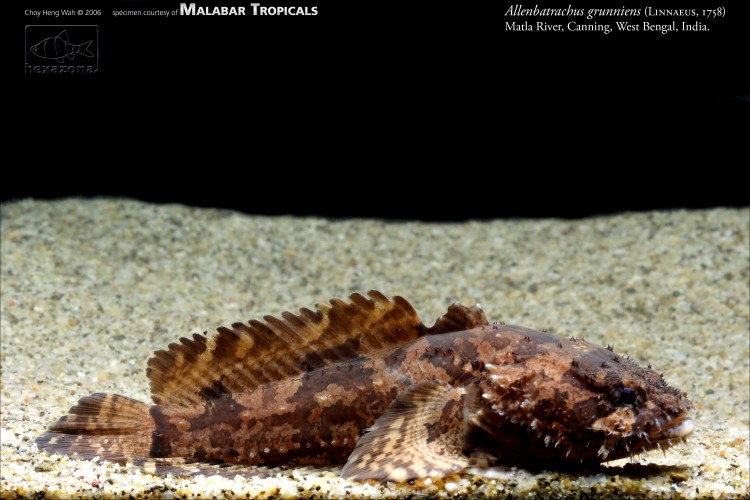
Allenbatrachus grunniensFreshwater Toadfish
Linnaeus, 1758
Max length300mm SL12in SLTanknot recordedTemp23–28°C73–82°FpH7.5–9.0This species is relatively common in the aquarium hobby but contrary to popular belief is not venomous in any way. Its dorsal and opercular spines can pierce the skin, however, meaning extreme caution is necessary when netting it or performing aquarium maintenance. The genus Allenbatrachus was erected in 1997 to accom...
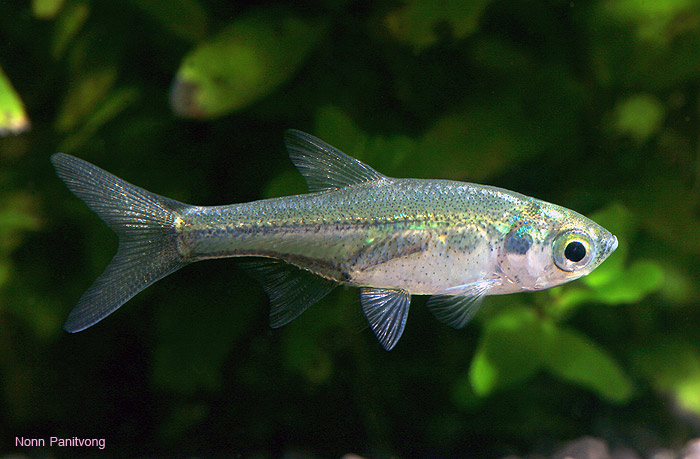
Amblypharyngodon chulabhornaePrincess Carplet
Vidthayanon & Kottelat, 1990
Max length40mm SL1.6in SLTank90 × 30cm36 × 12inTemp18–28°C64–82°FpH6.0–8.0The genus Amblypharyngodon currently contains five valid species, and A. chulabhornae can be distinguished from congeners by the following combination of characters: 42-50 (vs. 50-79) scales in the lateral row; lateral line incomplete with 6-7 (vs. 7-23) perforated scales; 4-5 scales on a transverse row between the lateral line and pelvic-fin base. All members of the genus lack barbels.
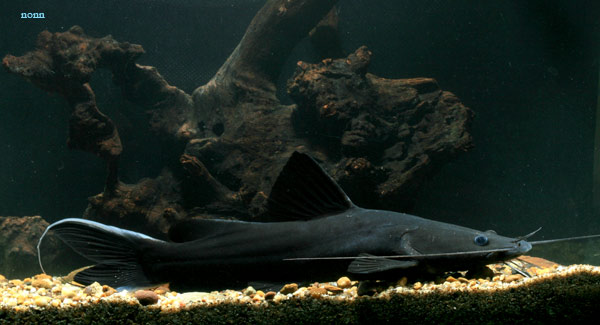
Hemibagrus wyckiiCrystal-eyed Catfish
Bleeker, 1858
Max length710mm SL28in SLTanknot recordedTemp20–27°C68–81°FpH6.0–8.0Aggressively territorial and incompatible with other fishes in all but the largest public installations and even then may attack its tankmates. It's also one of few freshwater fishes that appear unafraid of humans meaning care must be exercised when performing maintenance.
Heteropneustes fossilisLiver Catfish
authority not recorded
Max length300mm SL12in SLTank120 × 45cm48 × 18inTemp21–25°C70–77°FpH6.0–8.0Also known as the stinging or fossil catfish, H. fossilis is not recommended to the inexperienced due to its venomous nature. The venom is contained in sacs at the base of the pectoral spines. A sting from one of these is very painful indeed, in some very rare cases fatal. It goes without saying that extreme care must be exercised when performing tank maintenance, or if you need to move the fish for any reason. If stung, the wound should be immersed in water as hot as you can stand, as this will...
Hoplerythrinus unitaeniatusGold Wolf Fish
authority not recorded
Max length400mm SL16in SLTanknot recordedTemp23–27°C73–81°FpH5.5–7.5Also known as the golden trahira, H. unitaeniatus is the only one of the three recognised species currently in the genus to appear in the trade with any regularity. It's really a fish suitable only for the specialist, and as with any predatory species, care must be taken when performing tank maintenance. It's a representative of an ancient group of fishes, and possesses a modified, highly vascularised swim bladder that acts as an accessory breathing organ, allowing the fish to survi...
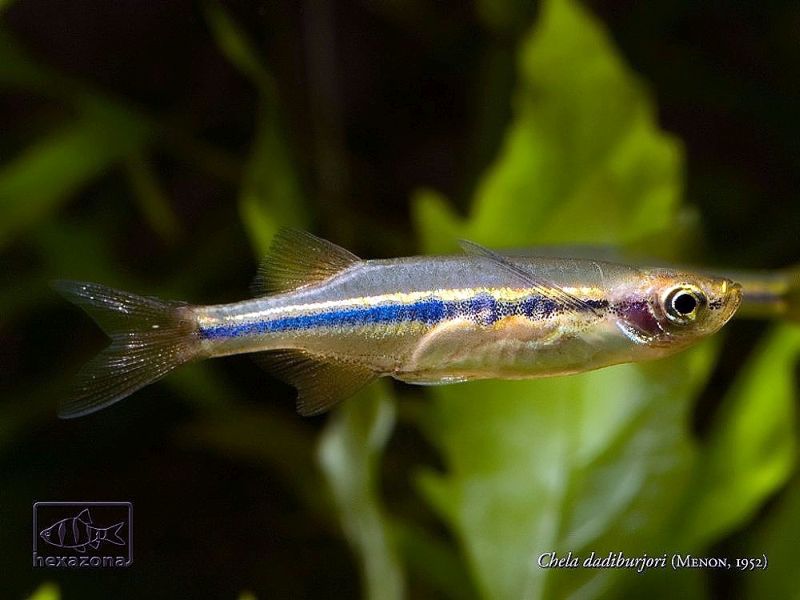
Laubuka dadiburjoriDadio
Menon, 1952
Max length30mm SL1.2in SLTank90 × 30cm36 × 12inTemp20–24°C68–75°FpH6.0–7.5It can be distinguished from other members of the genus by the following characters: lateral line absent or perforating only 2-5 scales; pharyngeal teeth hooked; body size small, not exceeding 30 mm SL; body depth less than 25 % SL; colour pattern comprising a dark bluish lateral stripe extending from the eye to the caudal peduncle, typically, but not always, forming 2-5 circular spots along its length.
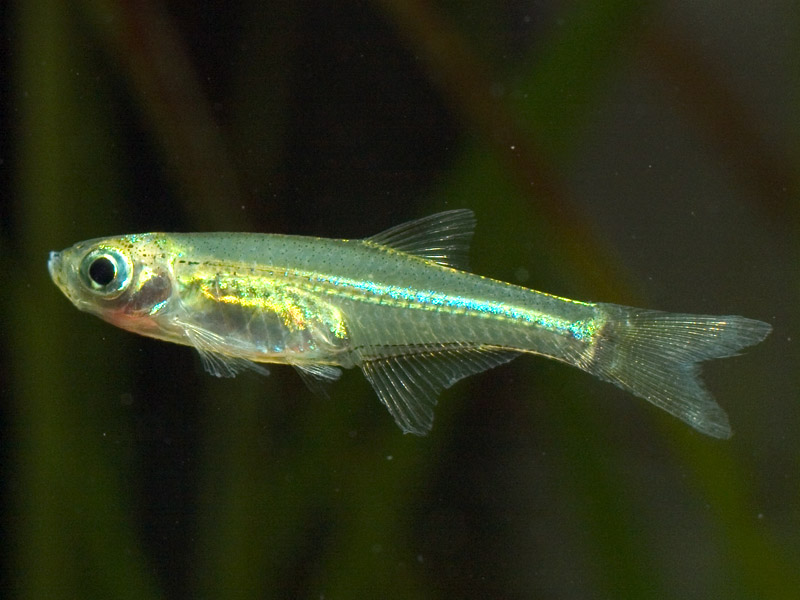
Microdevario gatesi
Herre, 1939
Max length23mm SL0.9in SLTank45 × 30cm18 × 12inTemp20–27°C68–81°FpH6.0–7.5The genus Microdevario was raised by Fang et al. (2009) after phylogenetic analyses revealed that some species formerly included in Microrasbora to be more closely allied with Devario and in need of reclassification. Microdevario is largely separated from Devario and other closely related genera such as Chela and Laubuca by virtue of internal characters but also the following: small adult size; anal and dorsal fins with concave-shaped distal margin; absence of barbels; absence of perforated scales; 9-10 branched anal-fin rays; 7 branched dorsal-fin rays; less abdominal than caudal vertebrae.
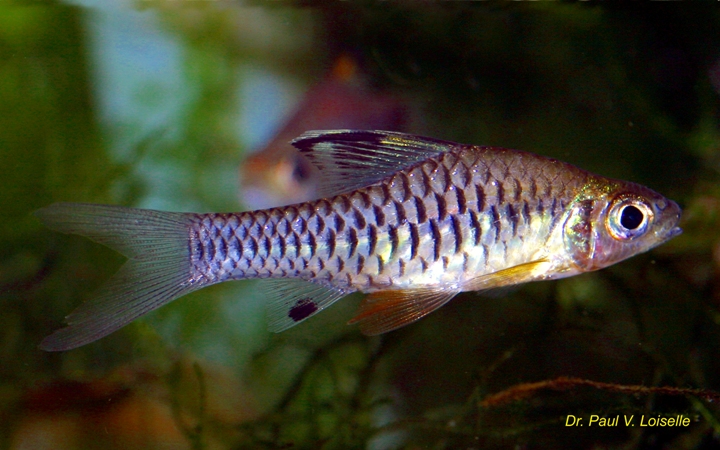
Oreichthys cosuatis
Hamilton, 1822
Max length43mm SL1.7in SLTank60 × 30cm24 × 12inTemp24–28°C75–82°FpH6.5–7.5An assortment of undescribed Oreichthys spp. from India, Myanmar and Thailand are currently traded as O. cosuatis. It can be distinguished from other described members of the genus by lacking a black blotch on the caudal peduncle, plus the following combination of characters: 2-3 perforated scales in lateral line; ½6½ between pelvic-fin origin and dorsal midline; presence of dark stripe in centre of anal-fin, forming a triangular blotch in adult individuals; dorsal-fin with whitish tip and broad, black, subdistal margin in the upper portion of the fin; 11-13 rows...
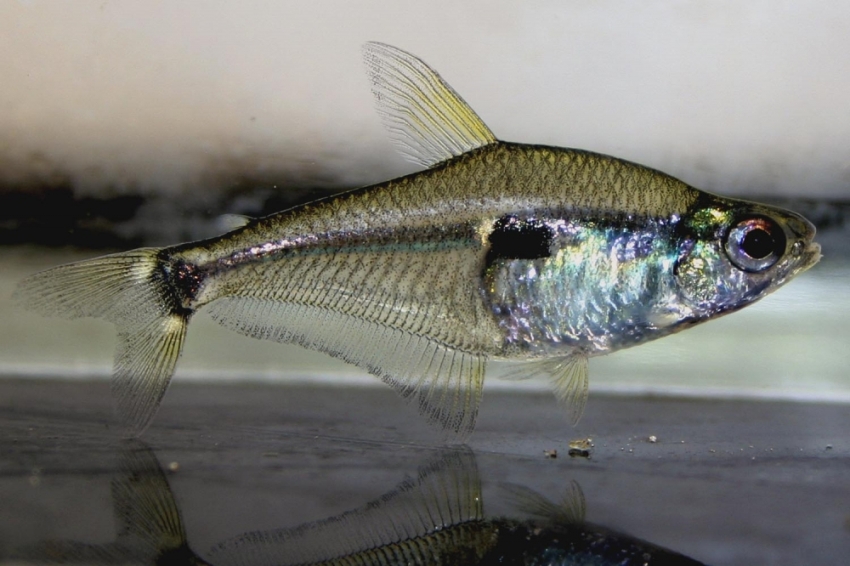
Phenacogaster tegatus
Eigenmann, 1911
Max length45mm SL1.8in SLTank60 × 30cm24 × 12inTemp20–28°C68–82°FpH6.0–7.5This species has been traded as 'six-eyed tetra' in reference to its colour pattern comprising two dark spots on each flank plus the eye. Based on the extensive review of the genus by Lucena and Malabarba (2010), in which nine new species were described, P. tegatus can be told apart from congeners by the following combination of characters: lateral line incomplete with 8-13 perforated scales; laterally elongate humera...