Results for “sp.”
Type a name: scientific, common, or one a species used to go by. Or narrow the catalogue with the filters.
Filters
Tramitichromis intermedius
authority not recorded
Max length160mm SL6in SLTank120 × 38cm48 × 15inTemp24–28°C75–82°FpH7.6–8.8Sand dwelling Malawian cichlid species such as this can be somewhat delicate in the aquarium. A rigorous tank maintenance schedule is recommended to keep them in top shape; with small, regular partial water changes a necessity. Also take care with feeding as discussed above. It is likely this species will eventually be assigned to a different genus, as there is some confusion surrounding Tramitichromis and it's scientific validity. The fish included in the genus differ from Lethrinops sp...
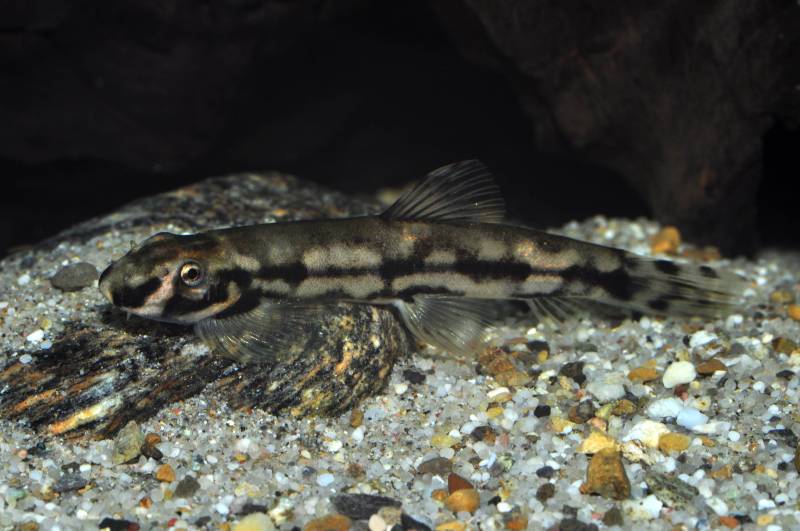
Yaoshania pachychilusPanda Loach
Chen, 1980
Max length60mm SL2.4in SLTank60 × 30cm24 × 12inTemp15.5–24°C60–75°FpH6.5–7.5Juvenile specimens were first exported for the aquarium hobby during 2009 and have since been available on a sporadic basis with prices generally reflecting its rarity and, hopefully, number of specimens being collected. The striking black-and-white-striped juvenile colour pattern inspired the vernacular name although it's sometimes labelled as 'panda goby' rather than 'panda loach'.
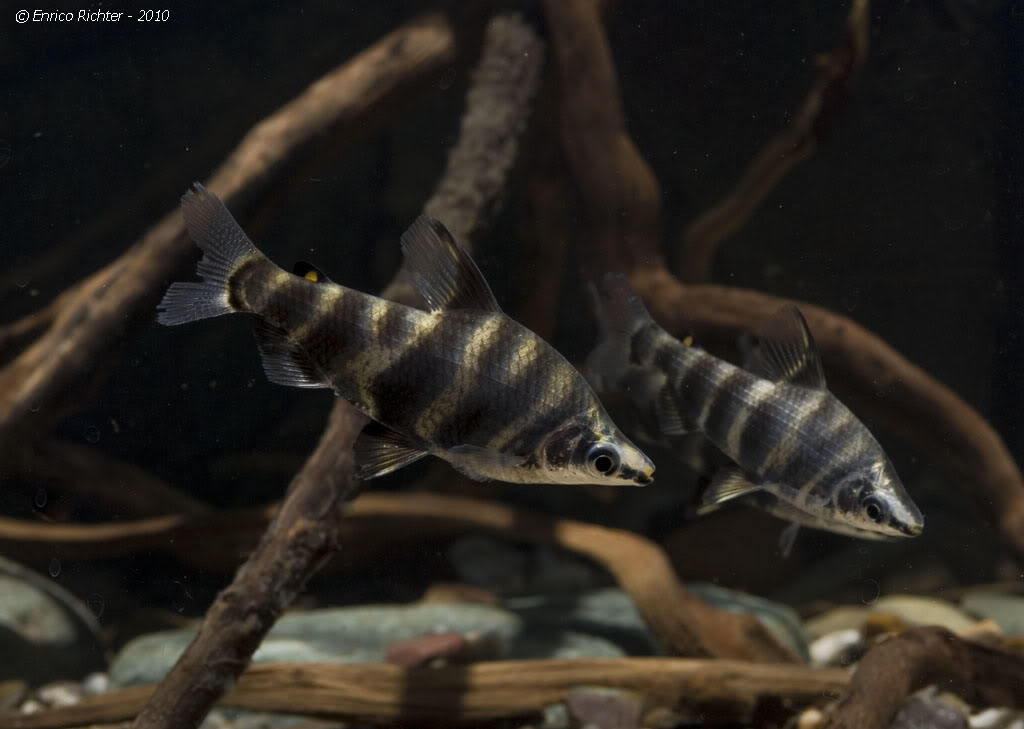
Abramites hypselonotusMarbled Headstander
Günther, 1868
Max length140mm SL6in SLTank120 × 30cm48 × 12inTemp20–30°C68–86°FpH5.5–7.5Abramites spp. are separated from other anostomids primarily on the basis of their relatively deeper bodies and presence of a prominent, post-pelvic median keel, a feature unique to the genus. At time of writing A. eques is the only other species recognised and is native to the Río Magdalena drainage in western Colombia. It can be distinguished by possession of 13-14 bra...
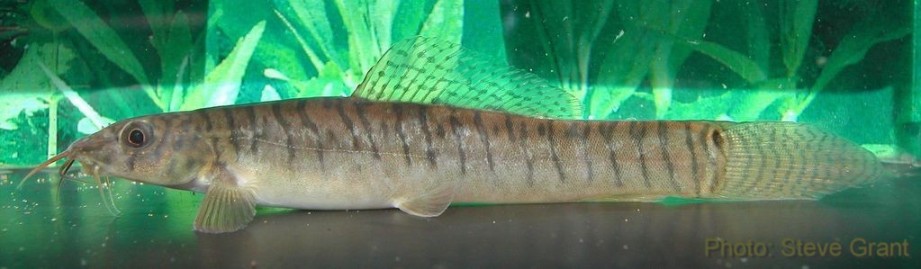
Acanthocobitis pavonaceaPeacock Loach
McClelland, 1839
Max length156mm SL6in SLTank120 × 30cm48 × 12inTemp20–24°C68–75°FpH6.5–7.5This species isn't common in the trade but occasional specimens may be found among shipments of wild caught fishes from northeast India, and it's sometimes seen on sale as 'pan...
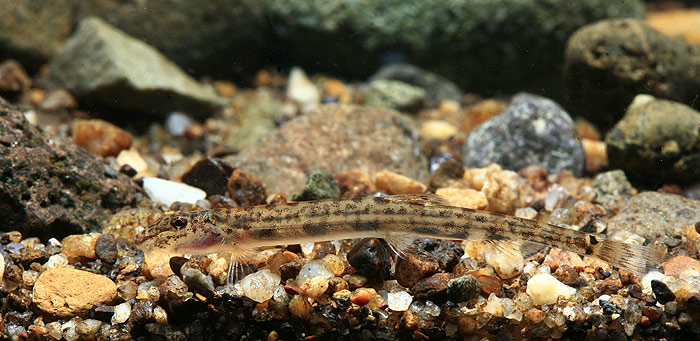
Acanthopsoides molobrion
Siebert, 1991
Max length50mm SL2.0in SLTank60 × 30cm24 × 12inTemp20–24°C68–75°FpH5.5–7.0Acanthopsoides spp. are most closely related to the horse-faced loaches of the genus Acantopsis with which they often co-occur in nature, and thus commonly referred to as 'dwarf horse-face loaches'. The genus currently comprises five species of which four were described by Siebert (1991); these were discovered in existing museum holdings...
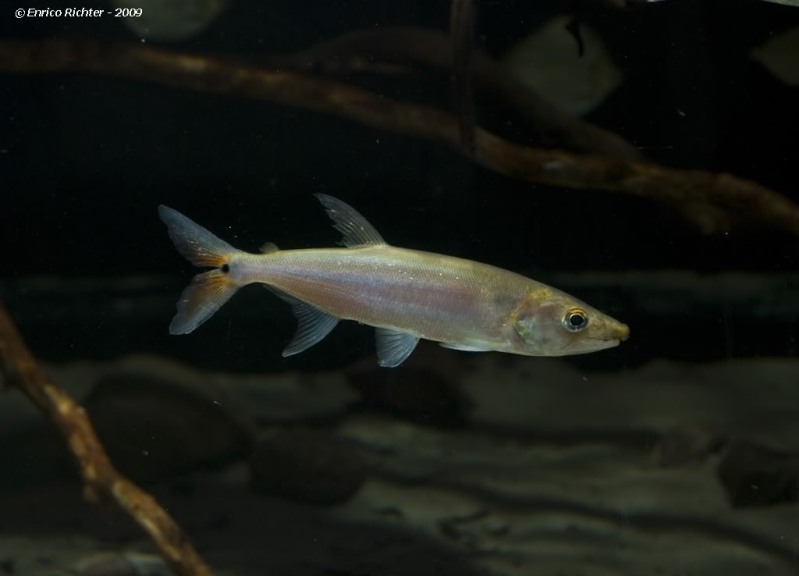
Acestrorhynchus falcatusRed-Tailed Freshwater Barracuda
Bloch, 1794
Max length275mm SL11in SLTank250 × 90cm98 × 36inTemp22–28°C72–82°FpH6.0–7.5The vernacular name of this fish is derived from its appearance and behaviour, rather than a genetic association with the marine barracuda, and it's also sometimes referred to as 'pike characin' or 'spotted cachorro' with local vernacular names including 'Grand dent-chien' (French Guiana), ' Cachorrinho' or 'Ueua' (Brazil). Although most species of Acestrorhynchus appear superficially similar to one another most exhibit distinguishable external chara...
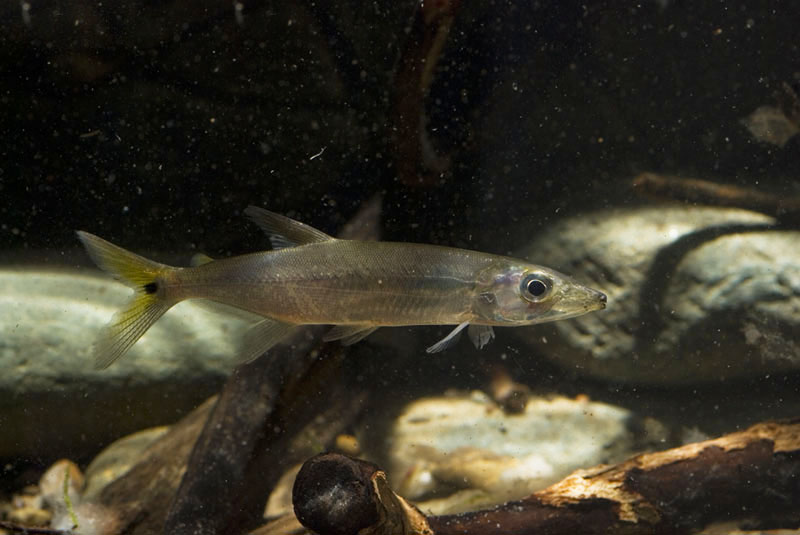
Acestrorhynchus microlepisPike Tetra
Jardine, 1841
Max length260mm SL10in SLTank250 × 90cm98 × 36inTemp22–28°C72–82°FpH6.0–7.5An obligate piscivore capable of consuming quite large prey in relation to its body size although it tends to focus on smaller prey such as tetras and related species. Newly-imported specimens may refuse to accept anything but live fishes although most can be weaned onto dead alternatives once they recognise them as edible, and some even learn to accept dried foods.
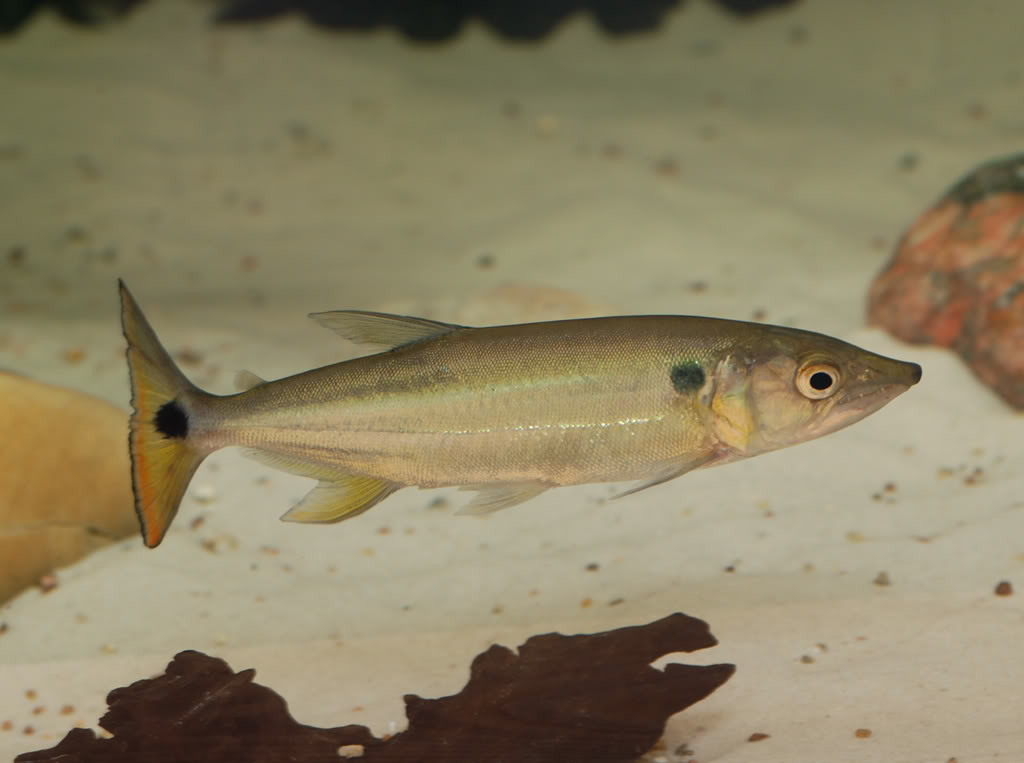
Acestrorhynchus pantaneiroPantanal Barracuda Tetra
Menezes, 1992
Max length240mm SL9in SLTank250 × 90cm98 × 36inTemp22–28°C72–82°FpH6.0–7.5An obligate piscivore capable of consuming surprisingly surprisingly large prey. Newly-imported specimens may refuse to accept anything but live fishes although most can be weaned onto dead alternatives once they recognise them as edible, and some even learn to accept dried foods- Like the vast majority of predatory fishes this specie...
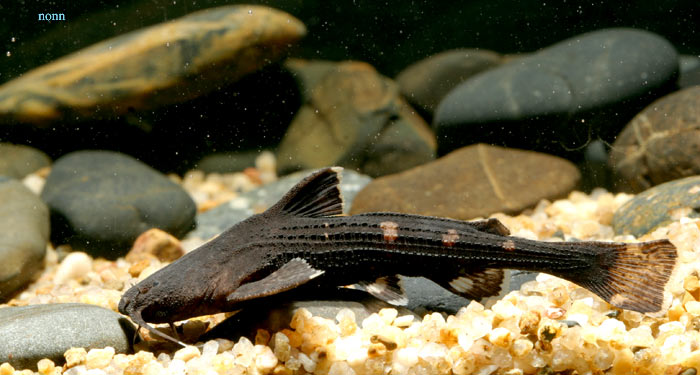
Acrochordonichthys rugosusAsian Banjo Catfish
Bleeker, 1846
Max length110mm SL4in SLTank90 × 30cm36 × 12inTemp17.5–24°C64–75°FpH5.0–7.0This is the most commonly-encountered representative of the genus in the aquatic trade though is by no means common. As in other members of the genus body colouration is highly variable, even among individuals collected from a single locality, although a few useful regularities have been observed which can be used to distinguish certain species. This is thought related to the fact that Acrochordonichthys spp. periodically shed their skins and appear paler post-moulting. A. rugosus lends its ...
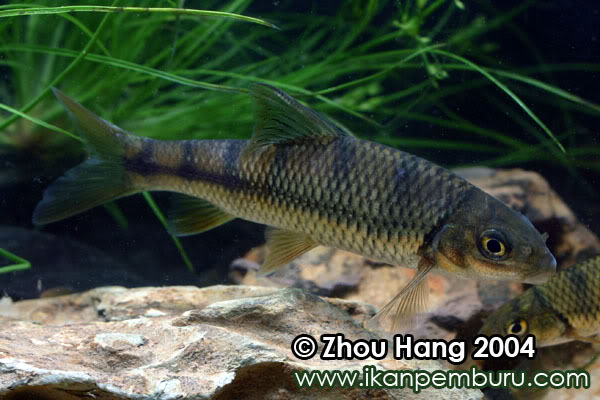
Acrossocheilus parallens
Nichols, 1931
Max length160mm SL6in SLTanknot recordedTempnot recordedpHnot recordedMembers of the genus are characterised by possessing a particular number of dark vertical bar on each flank, and A. parallens belongs to a group of species with five or six such bars, each of which is two scales in width. Congeners sharing this pattern include A. fasciatus, A. hemispinus (in juveniles only), A. jishouensis, A. kreyenbergii, A. paradoxus, A. spinifer, A. wenchowensis, and A. wuyiensis.
Alcolapia grahamiGraham's Soda Cichlid
Boulenger, 1912
Max length120mm SL5in SLTank90 × 30cm36 × 12inTempnot recordedpH8.0–10.0This species is a true wonder of nature. It lives in a soda lake which is full of hot, alkaline springs. The water contains a high concentration of sodium carbonate and other dissolved minerals and salts. The water conditions in the lake are typically pH 9.5-10.5, kH 7000+ and temperature 90-110°F! The water also has a sg reading of 1.2+ and is very shallow, having a maximum depth of only 3 metres. It can be acclimatised to more 'normal' conditions but the pH should not be allowed ...
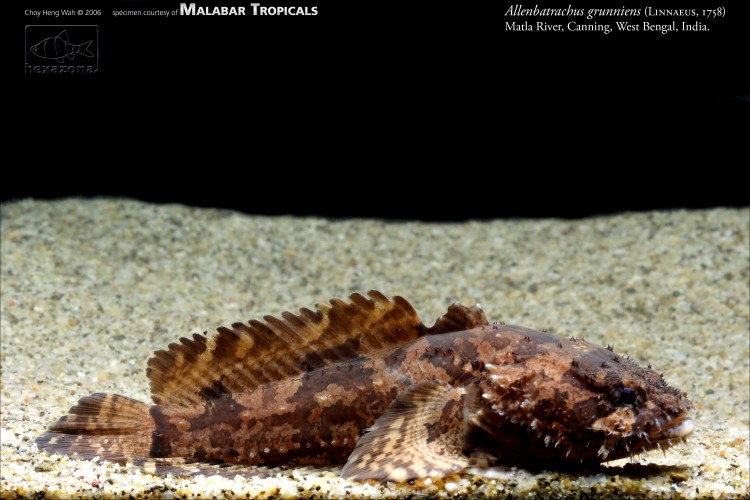
Allenbatrachus grunniensFreshwater Toadfish
Linnaeus, 1758
Max length300mm SL12in SLTanknot recordedTemp23–28°C73–82°FpH7.5–9.0This species is relatively common in the aquarium hobby but contrary to popular belief is not venomous in any way. Its dorsal and opercular spines can pierce the skin, however, meaning extreme caution is necessary when netting it or performing aquarium maintenance. The genus Allenbatrachus was erected in 1997 to accom...
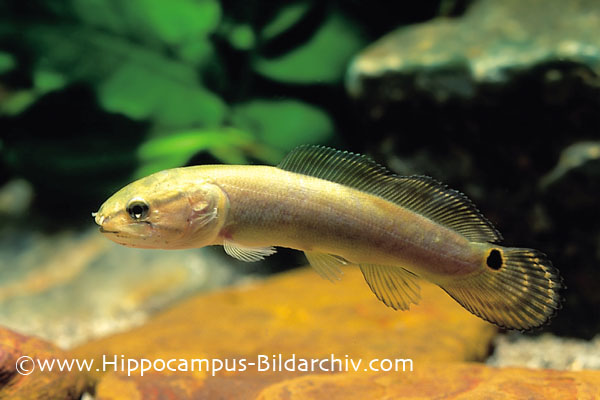
Amia calvaBowfin
Linnaeus, 1766
Max length900mm SL35in SLTank180 × 60cm72 × 24inTemp15–24°C59–75°FpH6.0–7.5Rare in the hobby, the bowfin is a stunning specimen fish for the aquarist with the means to house it properly. It is the sole remaining species in the family Amiidae, an ancient and primitive group that is related to the garfish. It possesses the ability to breathe atmospheric air, via an enormous, highly vascularised accessory breathing organ that extends throughout the entire body cavity. The gills are stiffened in order to prevent them collapsing outside the water and, provided it's kep...
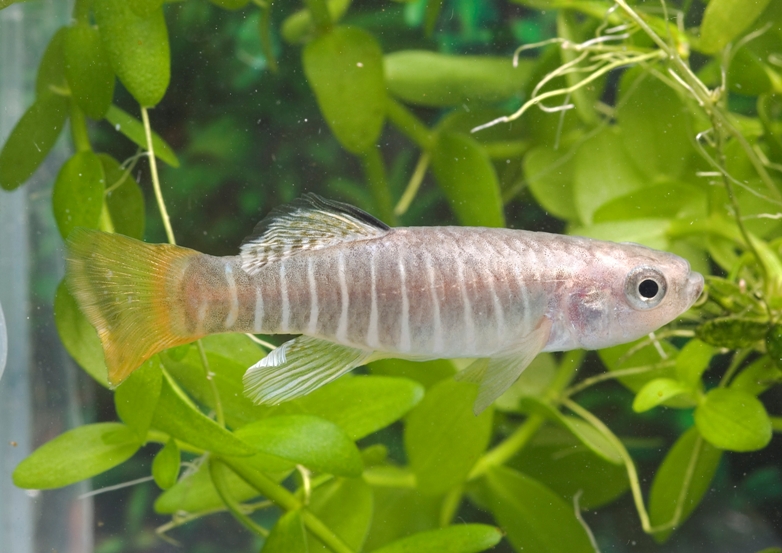
Aphanius fasciatusMediterranean Toothcarp
Valenciennes, 1821
Max length55mm SL2.2in SLTank120 × 30cm48 × 12inTemp2–30°C36–86°FpH7.5–9.0A 2003 phylogenetic study by Hrbek and Meyer showed that in genetic terms specimens of A. fasciatus collected from different localities do not vary as much as with other members of the genus. The latter tend to exist in geographically separated populations and exhibit localised differentiation. While A. fasciatus does show certain disparities in appearance depending on locality it is thought that periodic migration events have restricted the development of genetic diversity within the species to...
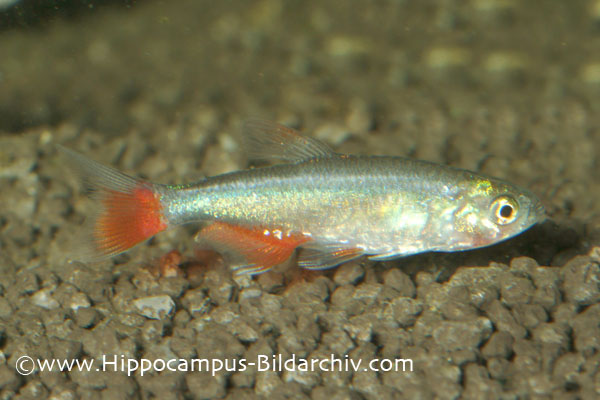
Aphyocharax anisitsiBloodfin Tetra
Eigenmann & Kennedy, 1903
Max length55mm SL2.2in SLTank60 × 30cm24 × 12inTemp18–28°C64–82°FpH6.0–8.0A good beginner's tetra, as it's a hardy species that will adapt to a relatively wide range of conditions. In a well-insulated house it can even be kept in an unheated tank, although it won't be as colourful as when kept in warmer water. It's also quite long-lived and captive specimens over ten years old are not unheard of...
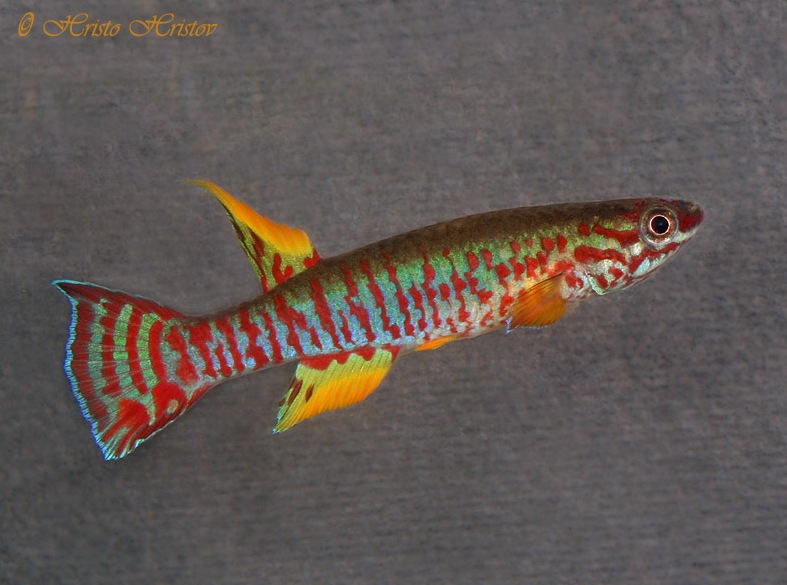
Aphyosemion bualanumBouala Lyretail
Ahl, 1924
Max length50mm SL2.0in SLTanknot recordedTempnot recordedpHnot recordedDescribed from 'Buala, Cameroon', which corresponds to modern-day Bouala in Central African Republic. It's known distribution includes parts of northern Cameroon, western Central African Republic, southeastern Chad and possibly eastern Nigeria in the upper Benue and Mayo Kébbi river systems. The specific name was mis-used to refer to various populations of the congener A. elberti prior to 1990, and we've been unable to confirm if the specimen pictured here is correctly identified or not. It is listed as 'endangered' by the IUCN.
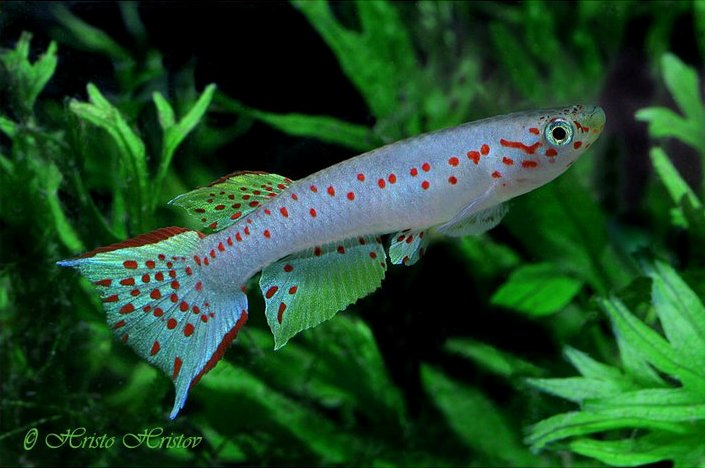
Aphyosemion decorseiDecorse's Lyretail
Pellegrin, 1904
Max length50mm SL2.0in SLTanknot recordedTempnot recordedpHnot recordedType locality is the settlement of Bessou, Lobaye prefecture, Central African Republic, which lies within the Ubangi (also spelled Oubangui) River basin. The Ubangi is a major tributary of the Congo River and this species appears restricted to its middle section and thus probably extends into northern Republic of Congo and Democratic Republic of Congo.
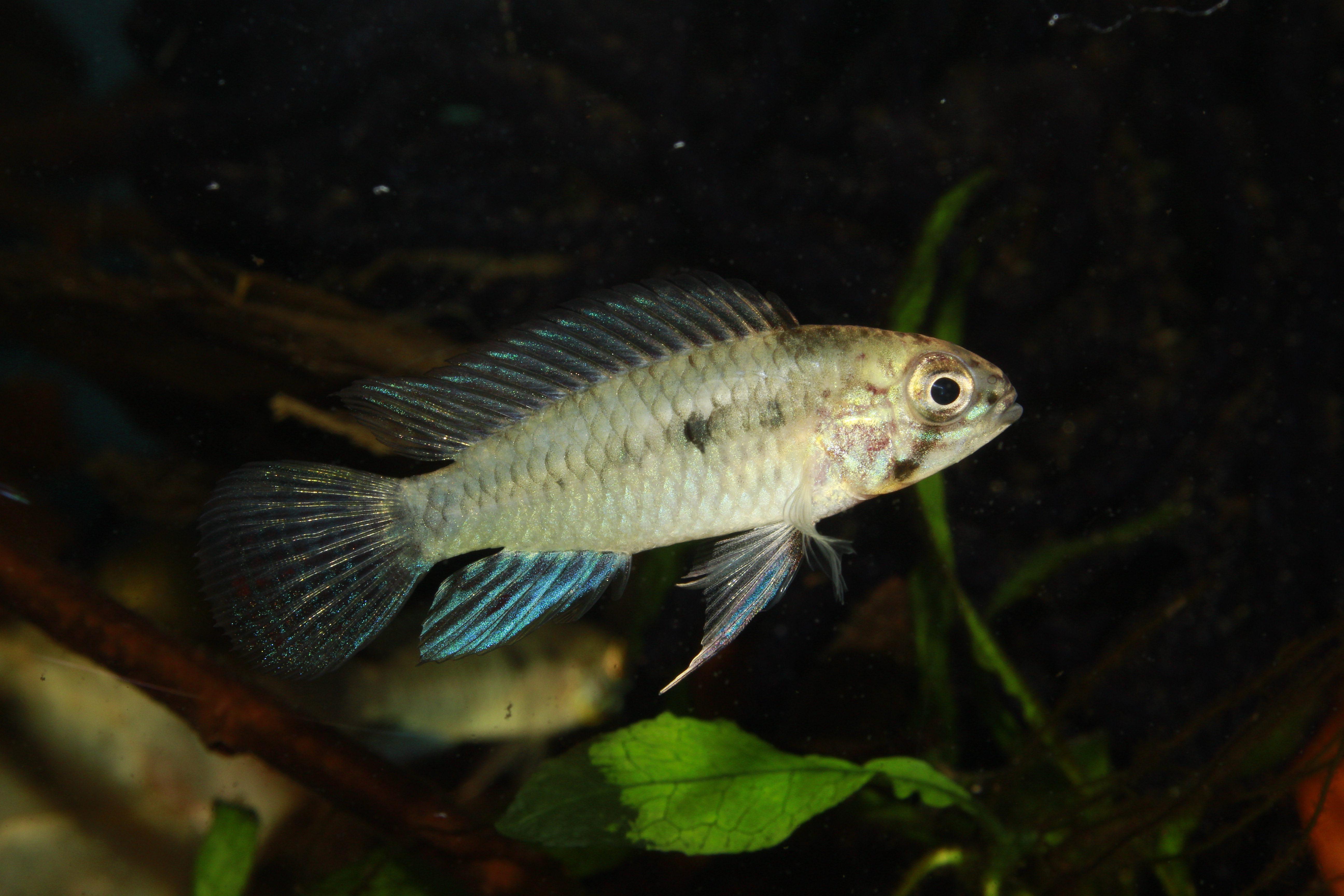
Apistogramma commbraeA93
Regan, 1906
Max length♂ 50 · ♀ 30mm SL♂ 2.0 · ♀ 1.2in SLTank60 × 30cm24 × 12inTemp15–27°C59–81°FpH6.0–7.4Apistogramma commbrae and other members of the commbrae complex can be distinguished from congeners by the conspicuous double caudal peduncle spot. This species may also be polymorphic, with some males exhibiting red and blue markings on the cheeks and a yellow gular region.
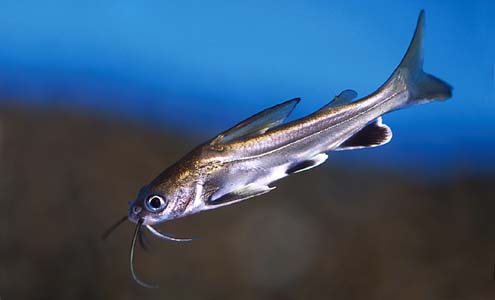
Ariopsis seemanniColombian Shark Catfish
Günther, 1864
Max length350mm SL14in SLTank240 × 60cm96 × 24inTemp22–26°C72–79°FpH6.8–8.5This species is not recommended to those lacking the facilities to house it for life. Sadly it's all too often seen for sale as an attractive, silvery 2-3" juvenile, supposedly suitable for the general freshwater community tank. To make matters worse, it is also usually given an 'alluring' name such as 'black-finned' or 'silvertip' shark catfish. The fate of the majority of these specimens is in all likelihood a depressing one.
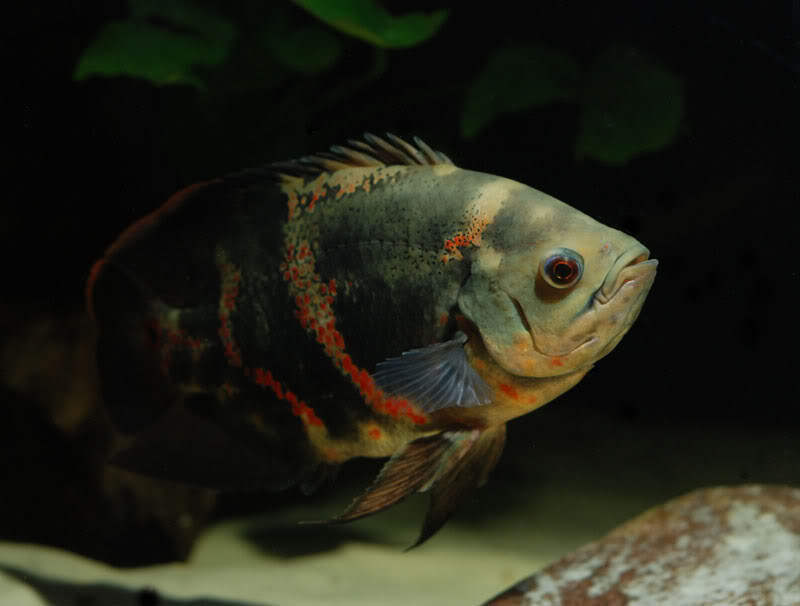
Astronotus ocellatusOscar
Agassiz, 1831
Max length350mm SL14in SLTank150 × 60cm60 × 24inTemp20–28°C68–82°FpH6.0–7.5This species is also referred to as 'velvet cichlid', 'red oscar', 'tiger oscar', or 'marble cichlid'. It is a popular aquarium fish although its adult size and typical life-span of 10-20 years must be taken into account before purchase. Numerous ornamental strains are now available, and while care is more-or-less identical for all of them a degree of additional care must be taken with the 'long-finned' variety which is a little less competitive than other forms.