Results for “aquarium”
Type a name: scientific, common, or one a species used to go by. Or narrow the catalogue with the filters.
Filters
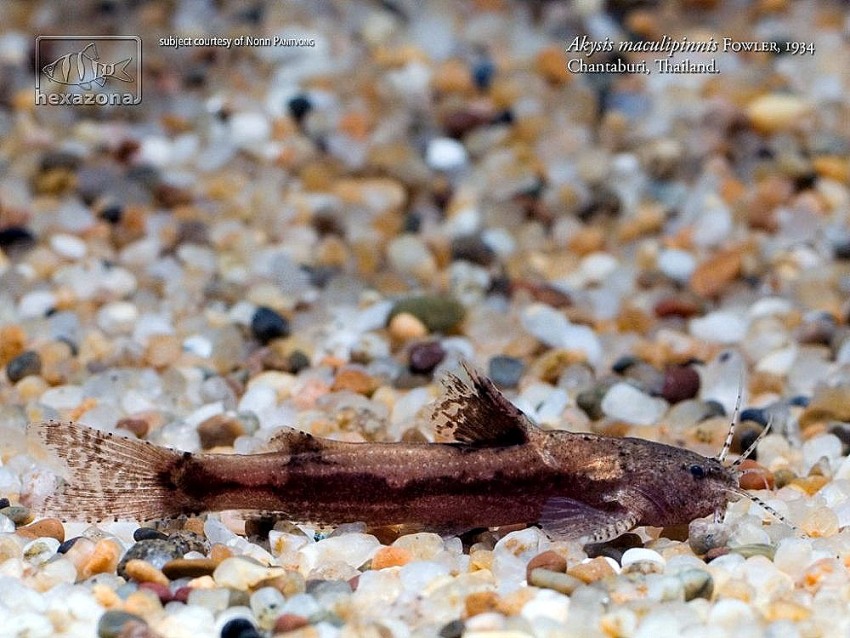
Akysis maculipinnisSpotfin Stream Catfish
Fowler, 1934
Max length35mm SL1.4in SLTank45 × 30cm18 × 12inTemp16.5–24°C62–75°FpH6.0–7.5This species has been exported for the aquarium hobby and ranks among the smaller members of the family. It can be differentiated from all other Akysis species by the following combination of characters: head length 22.0-28.6% of standard length (SL); caudal peduncle depth 8.8-10.7% of SL; anal-fin base length 15.2-19.1% of SL; eye diameter 12-16% of head length (HL); nasal barbel length 57 92% of HL; posession of 3-4 serrae on the posterior edge ofspine; body patterning mottled with indistinct ...
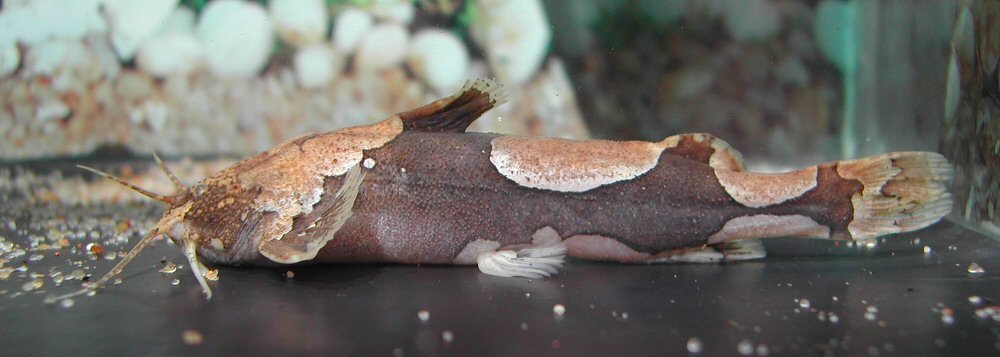
Akysis portellusSmallmouth Stream Catfish
Ng, 2009
Max length43mm SL1.7in SLTank45 × 30cm18 × 12inTemp16.5–24°C62–75°FpH6.0–7.5This species is among the few members of the family to have been exported for the aquarium hobby. It can be differentiated from all other Akysis species by the following combination of characters: base ofmeasures 17.1-19.2% of standard length (S...
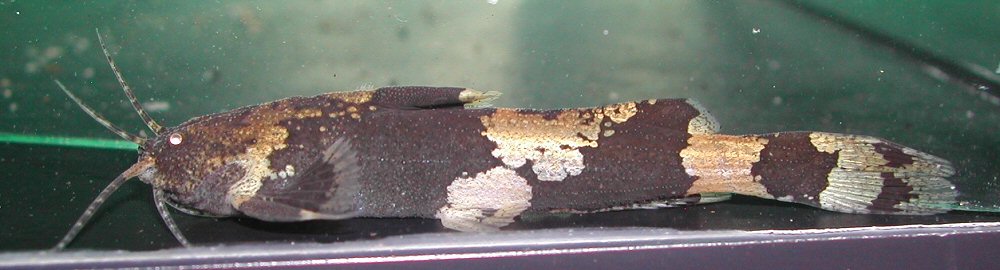
Akysis prashadiIndawgyi Stream Catfish
Hora, 1936
Max length62mm SL2.4in SLTank45 × 30cm18 × 12inTemp16.5–24°C62–75°FpH6.0–7.2This species is among the few members of the family to be exported for the aquarium hobby though is by no means common. It can be differentiated from a...
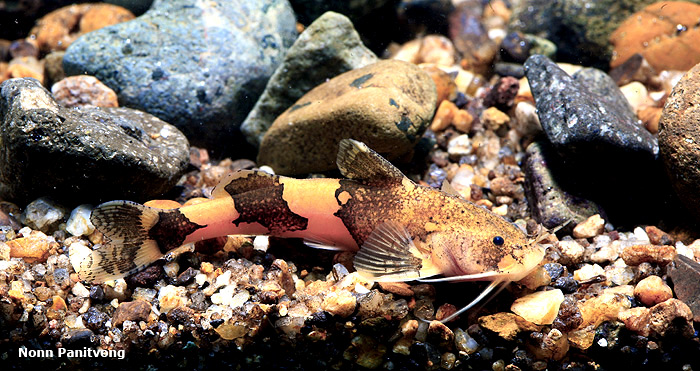
Akysis pulvinatusKra Stream Catfish
Ng, 2007
Max length30mm SL1.2in SLTank45 × 30cm18 × 12inTemp16.5–23.5°C62–74°FpH6.0–7.2This species has been exported for the aquarium hobby on an extremely limited basis. It can be differentiated from all other Akysis species by the following combination of characters: head length 27.6–29.8% of standard length (SL); head width 21.9–25.1% SL; caudal peduncle depth 9.4–10.3% SL; length ofbase 23.0–25.2% SL; nasal barbel len...
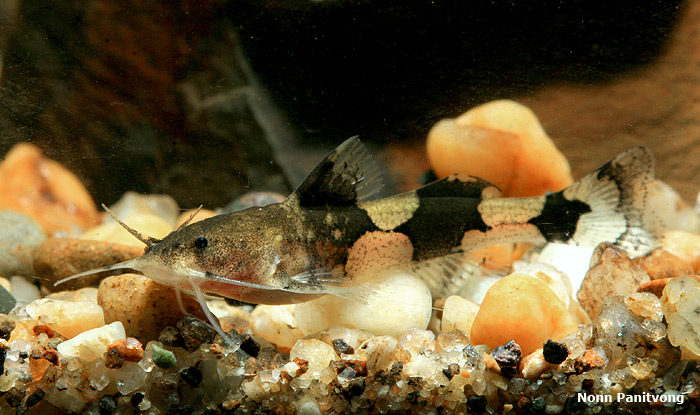
Akysis vespaOrange-Banded Stream Catfish
Ng & Kottelat, 2004
Max length31mm SL1.2in SLTank45 × 30cm18 × 12inTemp16.5–23.5°C62–74°FpH6.0–7.5This species is among the few members of the family to be exported for the aquarium hobby and we've also seen it on sale under various names such as 'orange-banded stone catfish', 'orange micro bumblebee catfish', 'Burmese orange mini bee catfish' or more simply 'wasp catfish'. Though the majority of forms are yellowish to orange in colouration there appears to exist a bright red variant which to date we've only seen in photos.
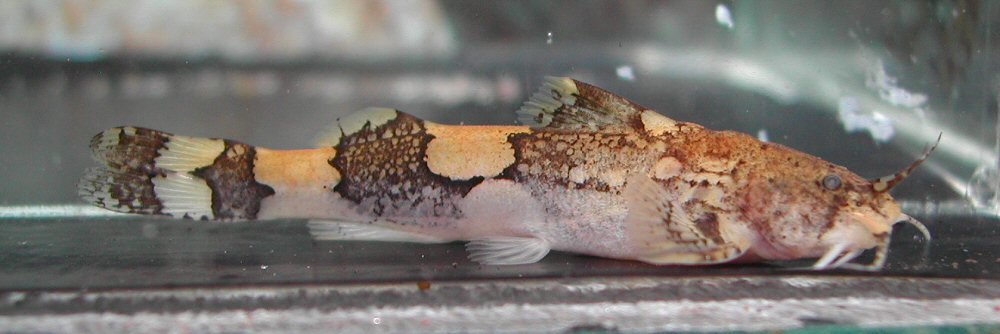
Akysis vespertinusWestern Stream Catfish
Ng, 2008
Max length35mm SL1.4in SLTank45 × 30cm18 × 12inTemp16.5–24°C62–75°FpH6.0–7.5This species is exceptionally rare in the aquarium trade and can be distinguished from congeners by the following combination of characters: snout narrow with head appearing triangular as a resul...
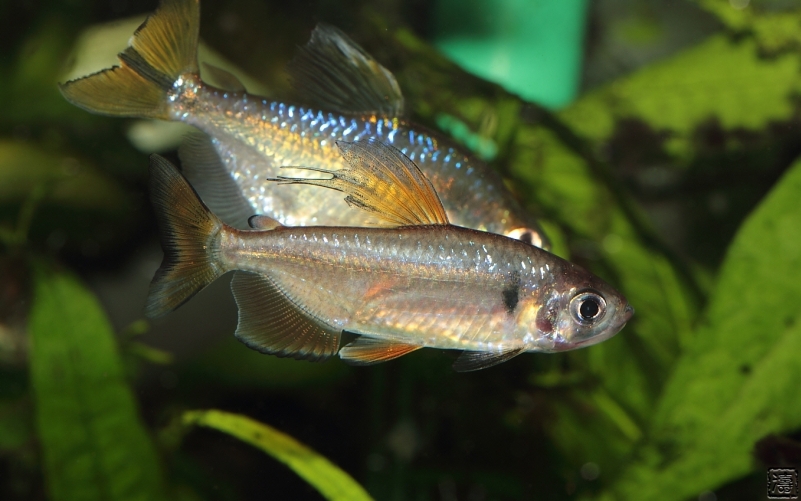
Alestopetersius nigropterusAfrican Rainbow Tetra
Poll, 1967
Max length60mm SL2.4in SLTank120 × 30cm48 × 12inTemp22–26°C72–79°FpH5.0–7.0This fish is normally traded as A. nigropterus or A. cf. ansorgii although neither appears to be its correct name meaning it remains unidentified at present. A. nigropterus is a valid congener that is not in the aquarium trade with little to no export from Lake Mai-Ndombe, to which it is endemic, while A. ansorgii is a synonym of Nannopetersius ansorgii.
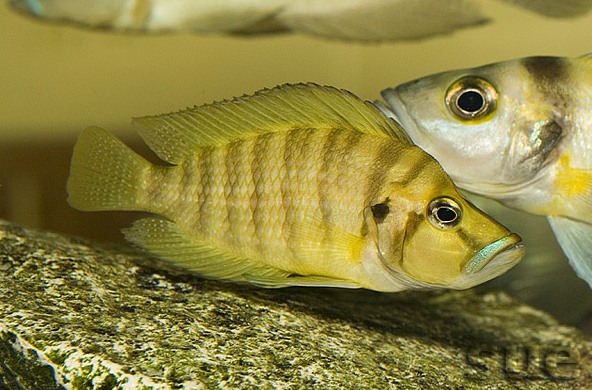
Altolamprologus compressicepsCompressed Cichlid
Boulenger, 1898
Max length125mm SL5in SLTank120 × 45cm48 × 18inTemp24–28°C75–82°FpH8.0–9.0This species varies in colour pattern depending on locality. Some of them are sold under several such names with the variant from Kigoma being known variously as A. compressiceps "Kigoma red", "Kigoma red fin", "Kigoma orange top" or "firefin" for example. The different populations should ideally be kept apart in aquaria and clearly labelled with collection locality in order to avoid hybridisation. Forms popular in the aquarium hobby include: - &quo...
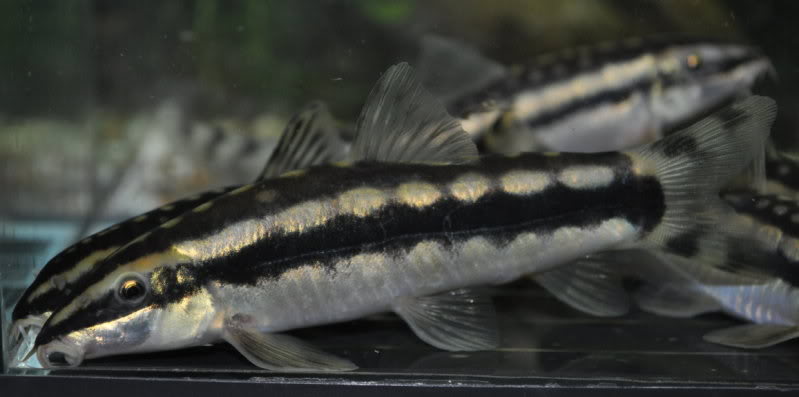
Ambastaia nigrolineataBlack-Lined Loach
Kottelat & Chu, 1987
Max length80mm SL3.1in SLTank90 × 30cm36 × 12inTemp20–25°C68–77°FpH6.5–7.5This specie is relatively rare in the aquarium trade and much sought after by enthusiasts as a result. It looks relatively similar to A. sidthimunki but according to the original description by Kottelat and Chu (1987) can be told apart by colour patterning which uniquely consists of a solid da...
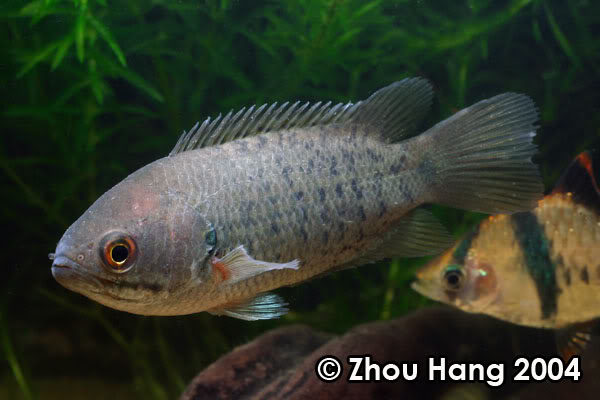
Anabas testudineusClimbing Perch
Bloch, 1792
Max length200mm SL8in SLTanknot recordedTemp15–30°C59–86°FpH5.5–8.0This species isn't especially popular in the aquarium trade but is undoubtedly interesting despite its lack of colour. In addition to its survival ability in the absence of water it's also capable of producing audible sounds though the purpose of these has not been fully-studied. Naturally-occurring xanthic and albino forms have also been recorded. There is considerable confusion as to the taxonomic status of the two species currently occupying this genus, with ichthyologists widely...
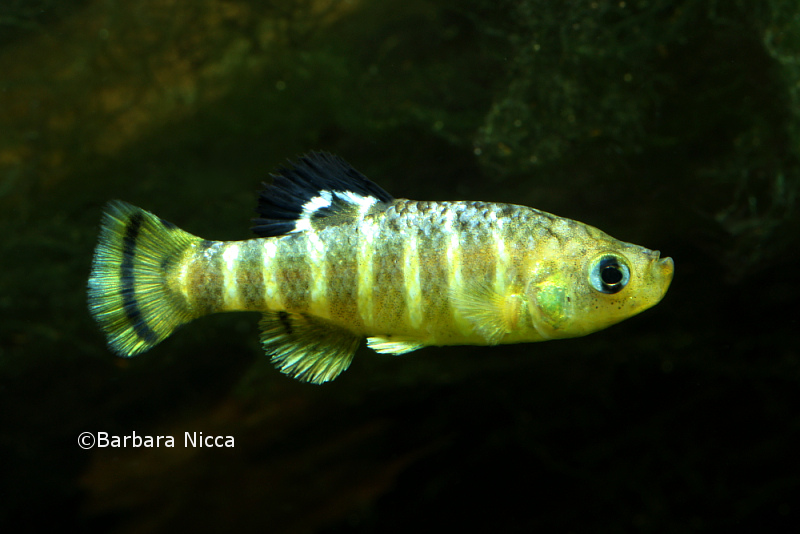
Anatolichthys anatoliaeAnatolian Toothcarp
Leidenfrost, 1912
Max length55mm SL2.2in SLTank120 × 30cm48 × 12inTemp2–30°C36–86°FpH7.0–8.5A. anatoliae is the most widely-distributed of the Anatolian Aphanius species although like most of its congeners is not easy to come by in the hobby. You are unlikely to find it on sale in aquatic stores although it may be available via specialist breeders or associations from time-to-time. While Aphanius spp. are certainly not as colourful as some of their relatives their interesting behaviour and continuous activity make them fascinating aquarium subjects and well worth a try if you possess the de...
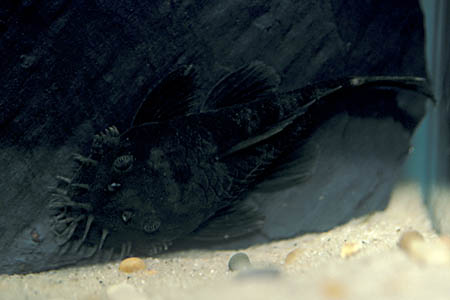
Ancistrus ranunculusL034
Muller, Rapp Py-Daniel & Zuanon, 1994
Max length130mm SL5in SLTank80 × 30cm31 × 12inTemp25–30°C77–86°FpH6.0–7.0A somehwhat odd-looking species with a distinctive wide head and overall flattened profile. Unfortunately this fish is not the easiest fish to keep alive in the aquarium since it requires rather specialised conditions and is often in poor condition post-import. As a juvenile, it often sports a pattern of light spots on the body, leading to confusion with the similarly shaped L255 species.In A. ranunculus, these spots fade as the fish mature,...
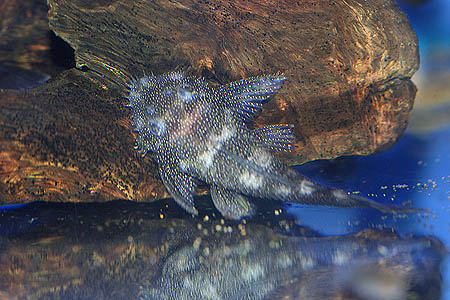
Ancistrus sp.L255
authority not recorded
Max length130mm SL5in SLTank80 × 30cm31 × 12inTemp25–30°C77–86°FpH6.0–7.0A somewhat odd-looking species with a distinctive wide head and overall flattened profile. Unfortunately this fish is not the easiest fish to keep alive in the aquarium since it requires rather specialised conditions and is often in poor condition post-import.
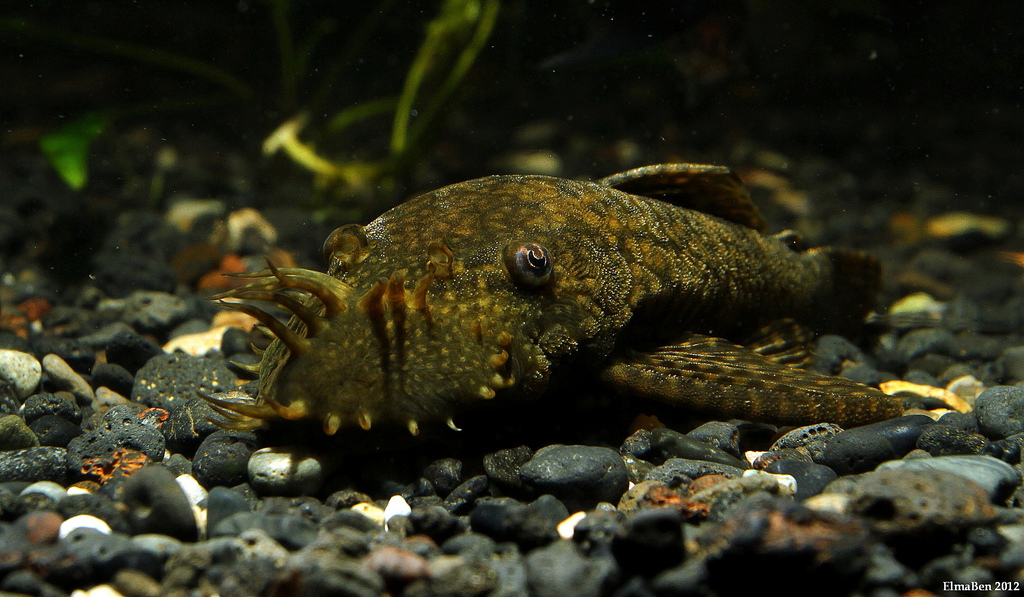
Ancistrus sp. '3'Common Bristlenose Catfish
authority not recorded
Max length125mm SL5in SLTank60 × 30cm24 × 12inTemp21–26°C70–79°FpH5.5–7.5This is the ubiquitous 'bristlenose' catfish in the aquarium hobby and is bred commerically on a large scale although it's precise origin is unknown with some of the opinion that it may be a hybrid. Several line-bred ornamental varieties exist, including piebald, albino and long-finned forms of both the standard and albino fish, of which long-finned fish are sometimes sold as 'butterfly' or 'veiltail' catfish.
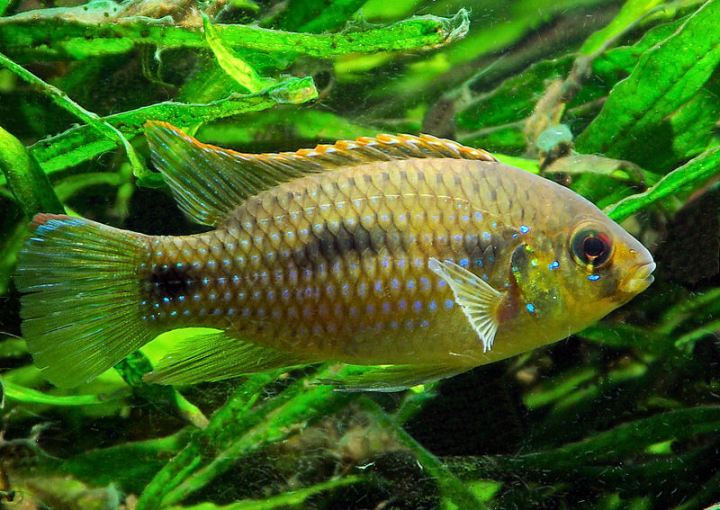
Anomalochromis thomasiAfrican Butterfly Cichlid
Boulenger, 1915
Max length80mm SL3.1in SLTank80 × 30cm31 × 12inTemp23–27°C73–81°FpH5.5–7.5Often overlooked when seen for sale, as juveniles can appear a little dull, A. thomasi is actually one of the best choices for the newcomer to dwarf cichlids. It is relatively undemanding, peaceful, easily bred and quite beautiful once settled into the aquarium. The species is currently monotypic, although several colour forms are available from time to time. In the future some or all of these may prove to be distinct species....
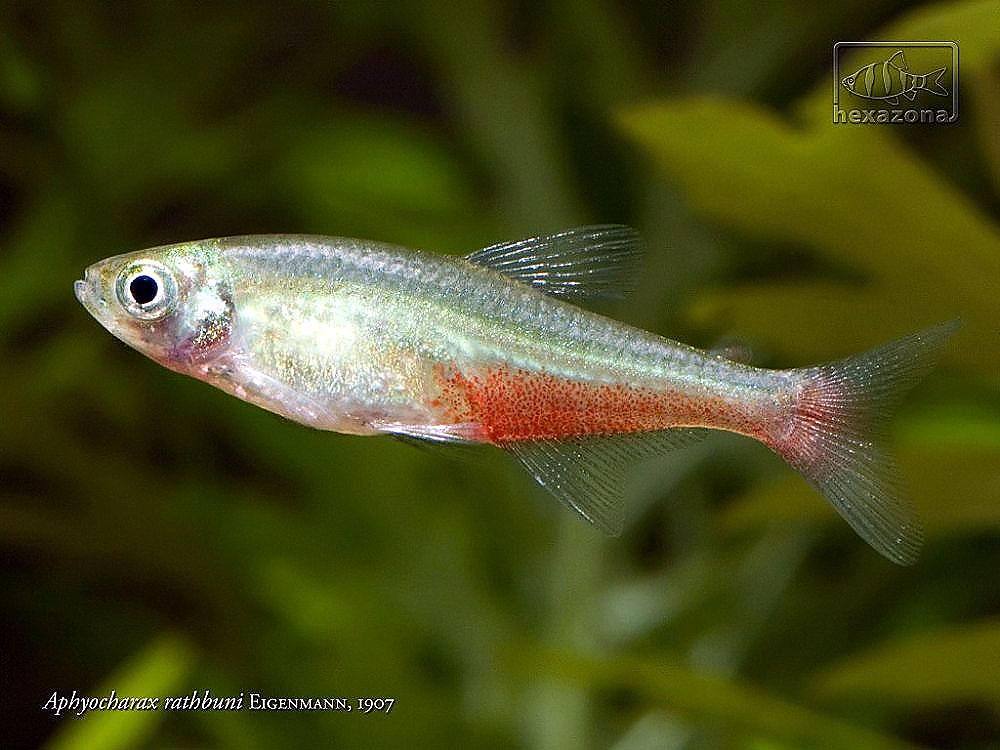
Aphyocharax rathbuniGreen Fire Tetra
Eigenmann, 1907
Max length45mm SL1.8in SLTank60 × 30cm24 × 12inTemp20–26°C68–79°FpH6.5–7.5Endemic to the Paraguay, Paraná and Uruguay river drainages in Brazil, Paraguay, Argentina and Uruguay. The smallest of the three Aphyocharax species seen in the hobby, the redflank is relatively uncommon in the hobby in the aquarium trade. It is also known as the Green Fire Tetra.
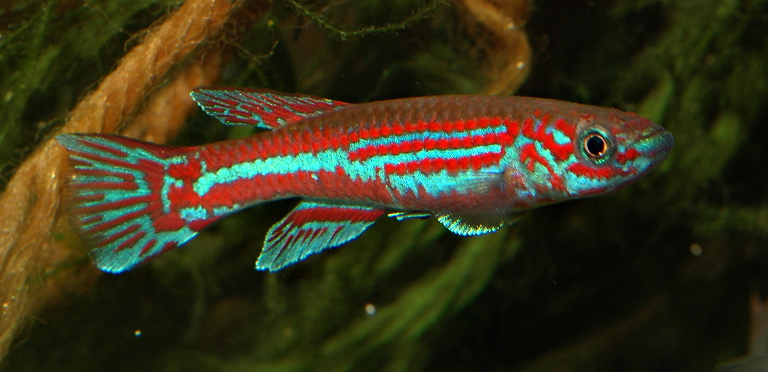
Aphyosemion ogoenseBroken-Line Lyretail
Pellegrin, 1930
Max length50mm SL2.0in SLTank45 × 25cm18 × 10inTemp18–22°C64–72°FpH5.0–6.5This species is not an annual fish, being found in permanent bodies of water in nature. Over 20 different forms of it have been discovered at different localities and a handful have been given subspecific names. The most popular in the aquarium hobby include A. o. ottogartneri and A. o. pyrophore, both of which were initially described as separate species.
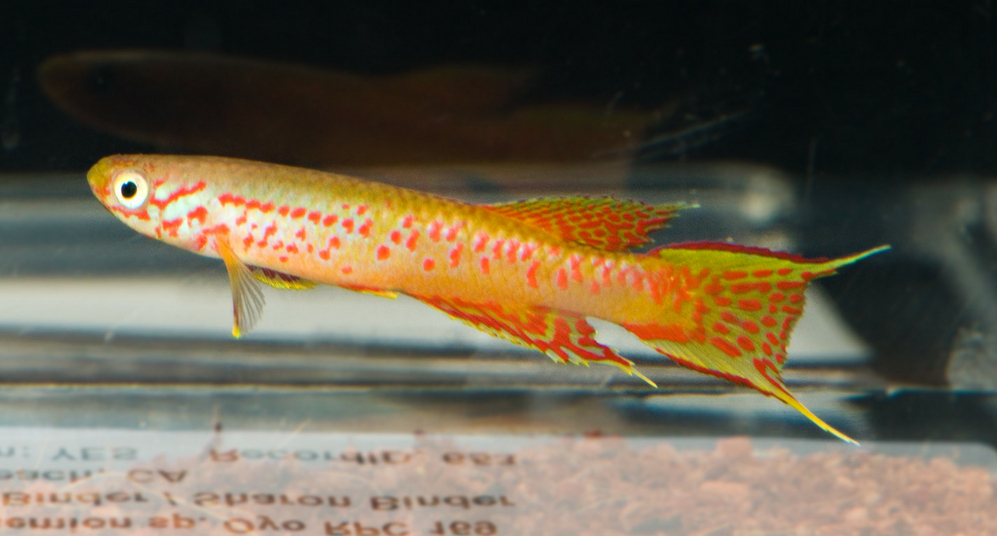
Aphyosemion sp. 'Oyo' RPC 91/8
authority not recorded
Max length50mm SL2.0in SLTank45 × 30cm18 × 12inTemp18–23°C64–73°FpH5.5–7.0This fish may be synonymous with the congener A. castaneum. Collected for the aquarium hobby in 1991 from close to the town of Oyo, Cuvette department, Republic of the Congo. The town lies on the Alima River, a right bank tributary of the middle Congo system.
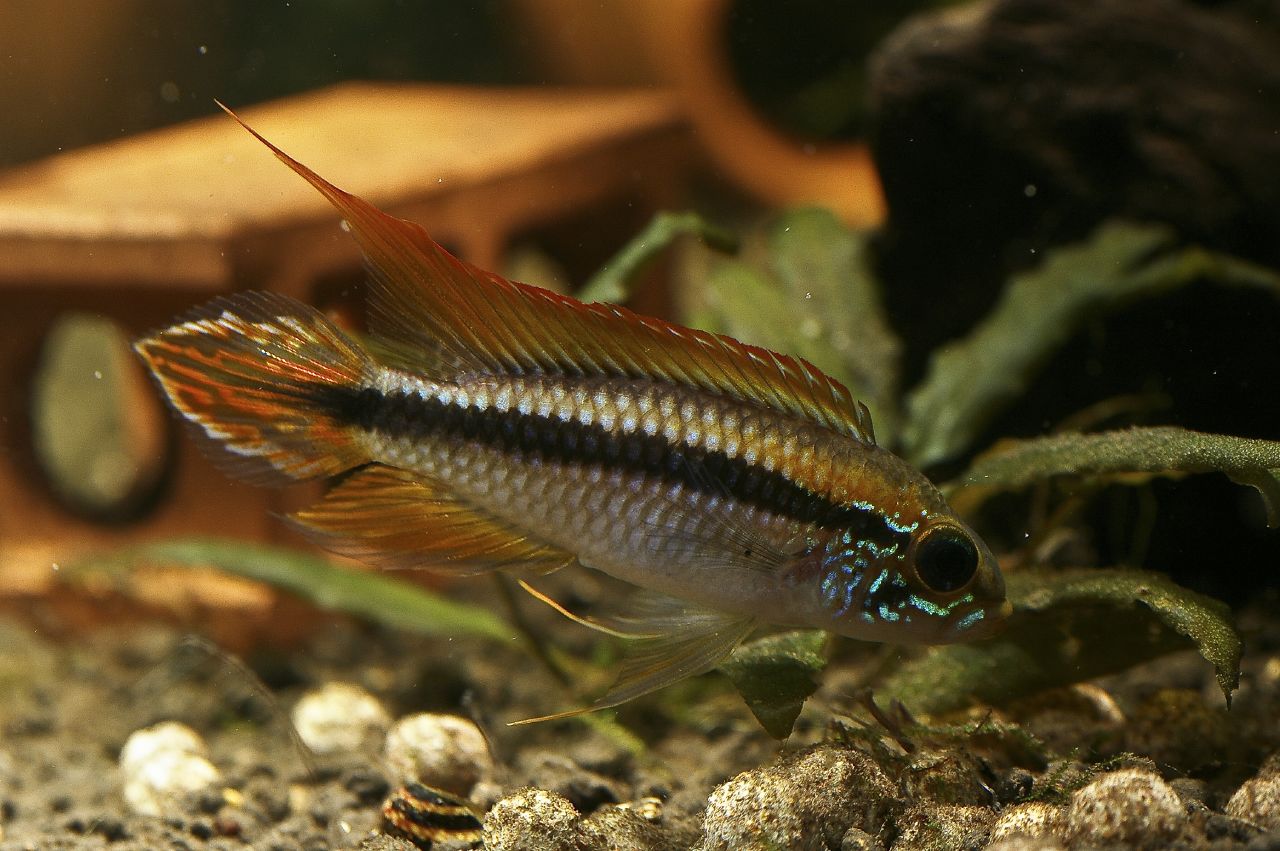
Apistogramma agassiziiAgassizi's Dwarf Cichlid
Steindachner, 1875
Max length♂ 75 · ♀ 50mm SL♂ 3.0 · ♀ 2.0in SLTank60 × 30cm24 × 12inTemp22–29°C72–84°FpH3.0–4.0Numerous ornamental forms of this species have been selectively-bred for the aquarium trade, some of which include. It has also been assigned the 'A' number A234 under the DATZ system with possibly conspecific, related forms similarly numbered A235, A236, A237, A238, A239, A240, A241 and A242 depending on locality. The genus Apistogramma is among the most speciose of South American cichlid genera with around 70 species valid at present but many more awaiting description. In addition ...
Apistogramma alacrinaRedspot Dwarf Cichlid
Kullander, 2004
Max length♂ 55 · ♀ 37mm SL♂ 2.2 · ♀ 1.5in SLTank45 × 30cm18 × 12inTemp23–29°C73–84°FpH4.0–7.0This species differs from all other described members of the genus by the presence of dark blotches at the dorsal and ventral base of the pectoral fins. Three very similar-looking fishes have been assigned the codes A106, A107 and A108 under the DATZ system and are also known in the aquarium hobby as A. sp. 'rotpunkt' (this form has been in the hobby for decades with its precise origin unclear), A. sp. 'rotpunkt Orteguazas' (the paratype form of A. alacrina) and A. sp. 'rotpunkt Guayas', respectively. It remains to be seen whether they're conspecific with A. alacrina or not since they exhibit some differences in colour pattern and morphology.