Ancistrus sp. '3'
Common Bristlenose Catfish · Antennenwels
Last revised 2024Edit this page
On this page12 sections
Quick factsEdit
Difficulty7 of 8 measures
- Space
- medium tank
- Water
- flexible
- Temp
- flexible
- Diet
- unknown
- Temperament
- territorial
- Social
- best in a pair
- Compatibility
- fine with others
Other demands
Each of these can raise the rating on its own, whatever the measures above say.
- Hardiness
- hardy
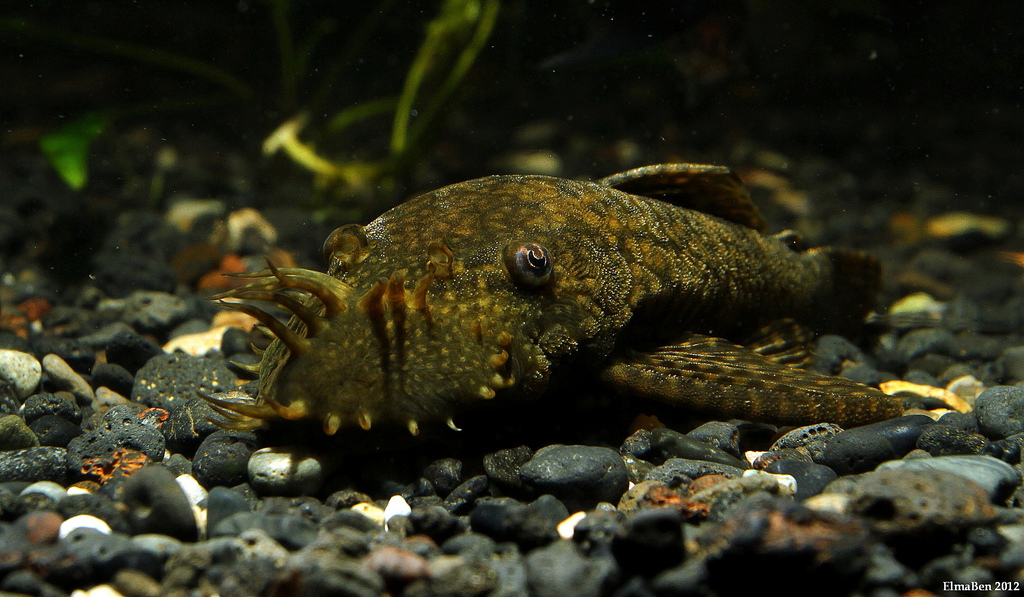
The common bristlenose catfish, Ancistrus sp. '3', is the loricariid sold everywhere as the 'bristlenose', of unknown origin and bred commercially. It was once thought close to the Argentinian A. cirrhosus, but genetic data suggests otherwise, and some consider it a hybrid. Adult males carry fleshy tentacles on the head, and the species spawns in caves with the male guarding the brood.
Etymology
EditAncistrus: etymology not explained, but understood to be derived from the Greek άγκιστρο ágkistron (Gr. ἄγκιστρον), meaning 'fish hook, hook of a spindle', in reference to the hooked interopercular odontodes possessed by genus members.
Distribution
EditA. cirrhosus is native to the Argentinian portion of the Paraná river drainage but all A. cf. cirrhosus in the hobby are produced commercially and of uncertain origin.
Habitat
Write a noteEditUnknown.
Aquarium size
Write a noteEditA tank with a base measuring 60 ∗ 30 cm24 ∗ 12 in or equivalent is sufficient to house a single specimen or breeding pair.
Larger quarters would be required for a group.
Maintenance
Write a noteEditCompared to some others in the genus it's largely undemanding, but does prefer well-oxygenated water.
Provided there is plenty of cover décor is largely unimportant.
Water conditions
EditThese recommendations come from this profile’s own figures. They contain affiliate links, so we may earn a commission.
Diet
Write a noteEditDoes best when offered a varied diet comprising sinking dried foods, frozen Daphnia, mosquito larvae, chironomid larvae (bloodworm), and prawn/shrimp, for, example, plus some fresh fruit, parboiled potato, etc.
Home-made foods using a mixture of natural ingredients bound with gelatin are very useful since they can be tailored to contain fresh vegetables, Spirulina and meatier ingredients.
Behaviour and compatibility
Write a noteEditRelatively peaceful but territorial with conspecifics and similarly-shaped species.
Sexual dimorphism
Write a noteEditReproduction
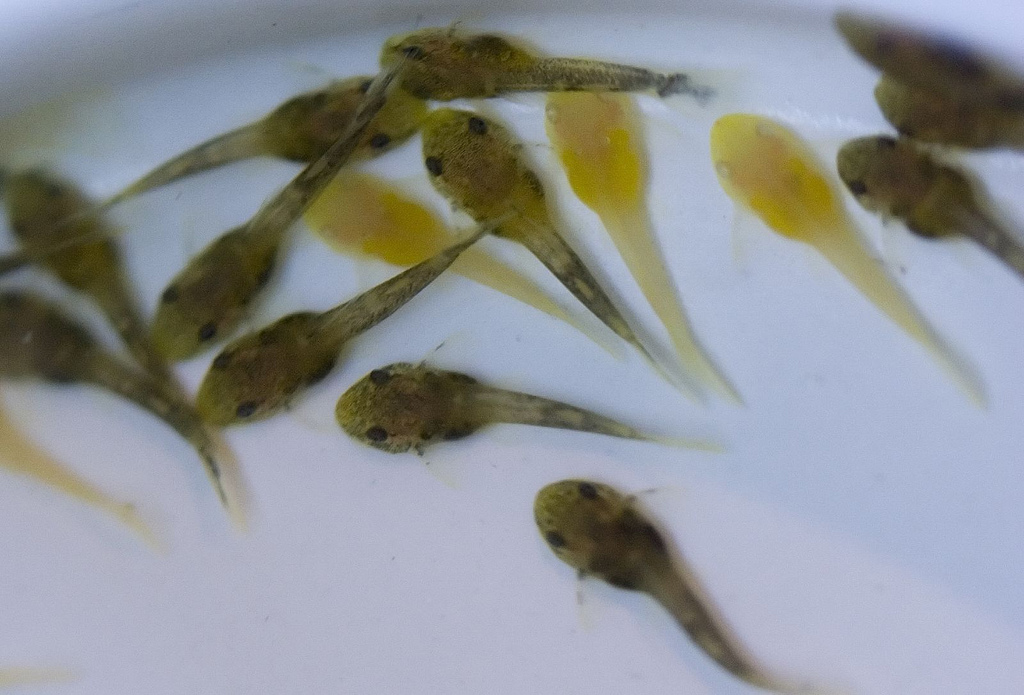
Write a noteEditCave-spawner with the male responsible for brood care.
It's commonly bred in aquaria and in well-maintained, mature set-ups juveniles may begin to appear without intervention.
Notes
EditThis is the ubiquitous 'bristlenose' catfish in the aquarium hobby and is bred commerically on a large scale although it's precise origin is unknown with some of the opinion that it may be a hybrid.
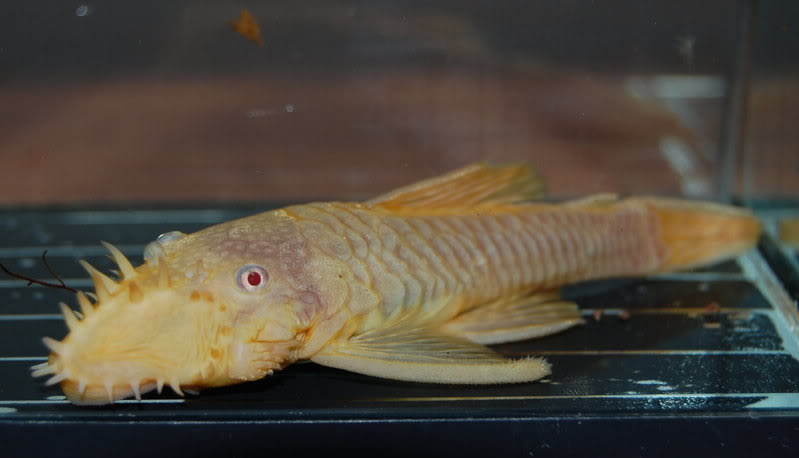
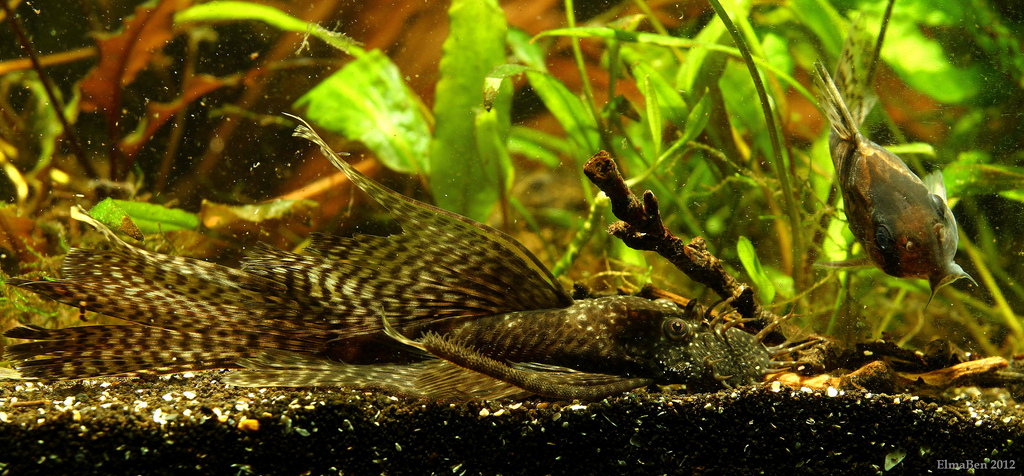
Several line-bred ornamental varieties exist, including piebald, albino, xanthic and long-finned forms of which long-finned fish are sometimes sold as 'butterfly' or 'veiltail' catfish.
It was commonly referred to as Ancistrus sp. '3' between the late 1990s and 2008, and was later considered to be closely-related with A. cirrhosus (Valenciennes, 1836), an Argentinian species which was among the first members of the genus exported for aquaria in the early 1920s.
Genetic data suggests this not to be the case, and its identity thus remains a mystery.
It's often misidentified with various names including Ancistrus dolichopterus, A. temminckii, A. hoplogenys and others having been applied to it.
Ancistrus is a diverse genus currently containing in excess of 60 valid species, distributed between Panama in Central America and the Río de la Plata drainage, Argentina.
Members are diagnosed from other loricariids by possessing well-developed interopercular spines and lacking plates and odontodes on the anterior margin of the snout, which is instead covered in fleshy tentacles.
Species images · 7
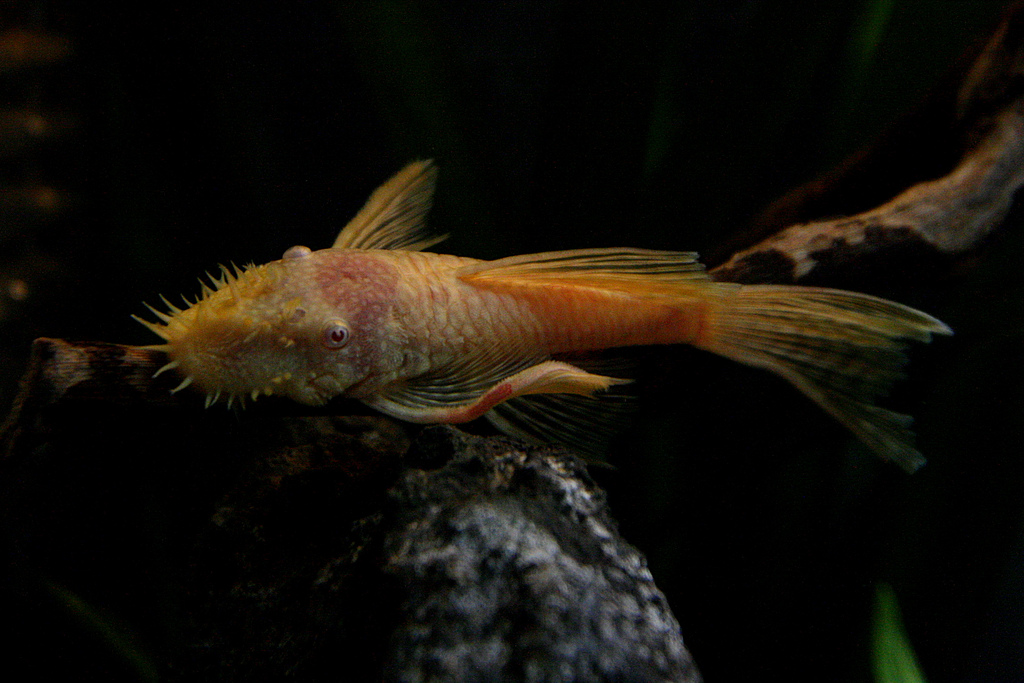
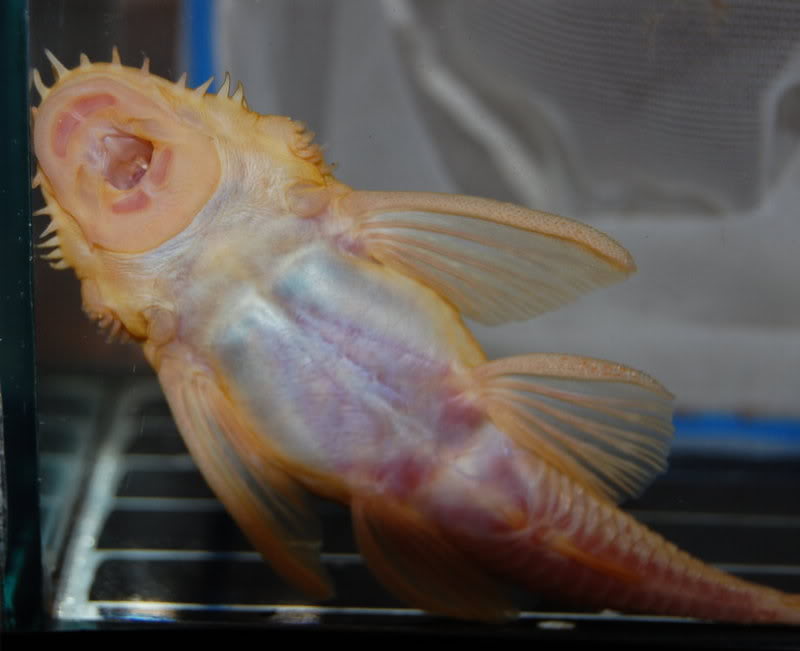
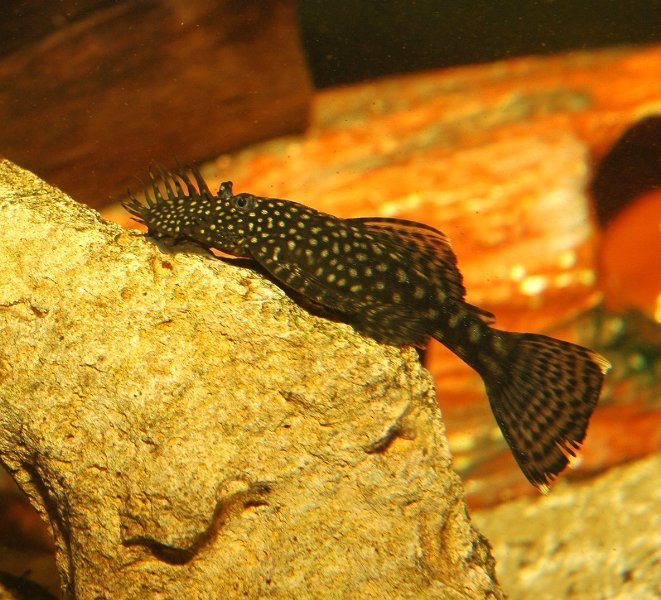
These photographs are used with each photographer's permission.
Send a photographProfile completeness20 of 24
83% complete
Also missing: a recorded distribution, taxonomic authority, water condition notes.
Community
Questions about Ancistrus sp. '3'?
Ask on Discord