Results for “barb”
Type a name: scientific, common, or one a species used to go by. Or narrow the catalogue with the filters.
Filters
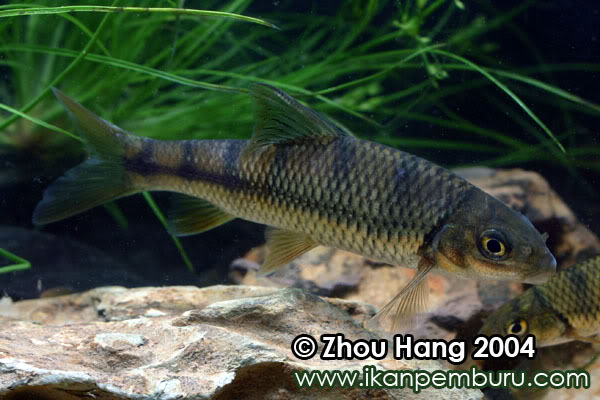
Acrossocheilus parallens
Nichols, 1931
Matched on Barbus (Lissochilichthys) parallens, a name it was formerly known by
Max length160mm SL6in SLTanknot recordedTempnot recordedpHnot recordedMembers of the genus are characterised by possessing a particular number of dark vertical bar on each flank, and A. parallens belongs to a group of species with five or six such bars, each of which is two scales in width. Congeners sharing this pattern include A. fasciatus, A. hemispinus (in juveniles only), A. jishouensis, A. kreyenbergii, A. paradoxus, A. spinifer, A. wenchowensis, and A. wuyiensis.
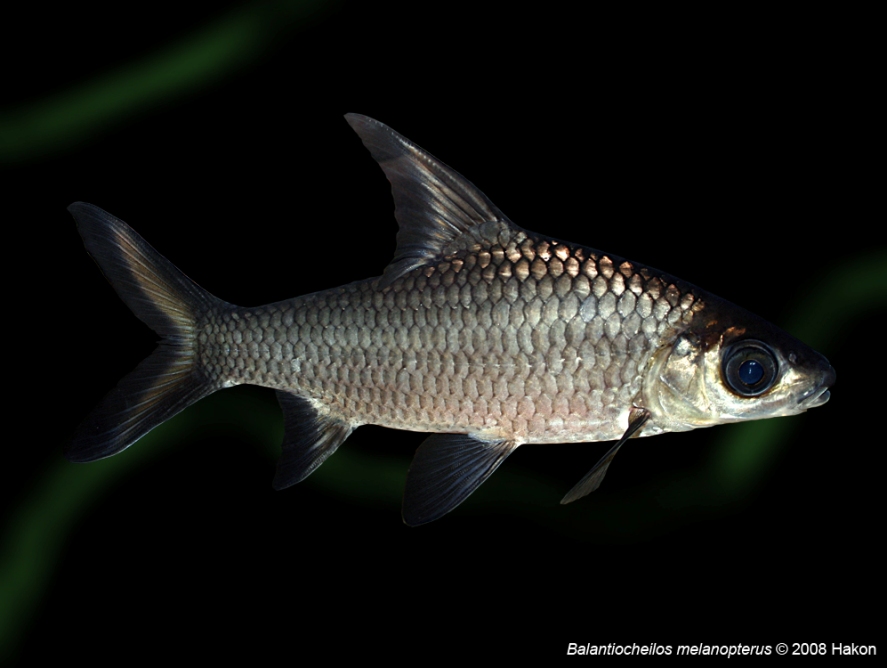
Balantiocheilos melanopterusSilver Shark
Bleeker, 1850
Matched on Barbus melanopterus, a name it was formerly known by
Max length350mm SL14in SLTank240 × 60cm96 × 24inTemp20–28°C68–82°FpH6.0–8.0May also be seen on sale under the trade names 'Bala shark' or 'tricolor shark minnow' and perhaps among the most commonly-encountered ornamental fish species. It is unfortunate that the vast majority of those traded are juveniles and tend to come supplied with little to no information provided regarding their potential size and requirements, a fairly ironic situation given the apparently precarious status of wild populations.
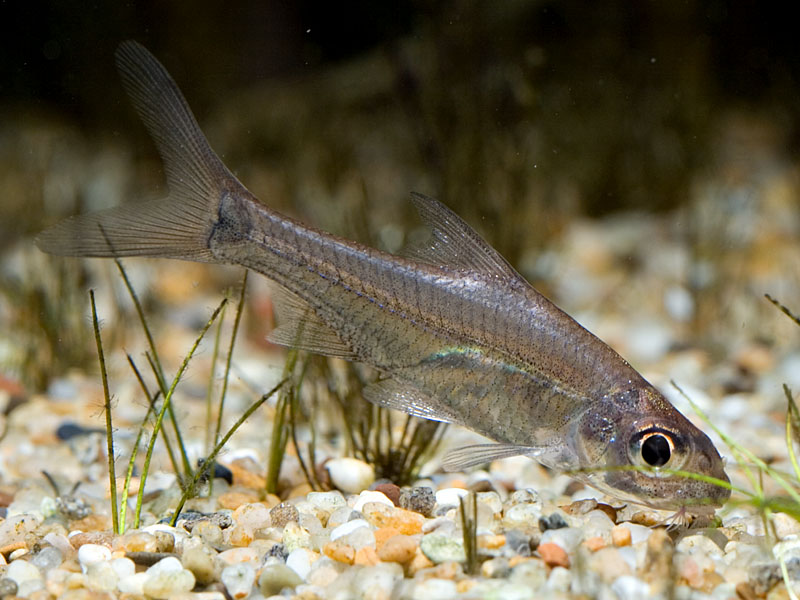
Cyclocheilichthys heteronema
Bleeker, 1854
Matched on Barbus heteronema, a name it was formerly known by
Max length120mm SL5in SLTank120 × 45cm48 × 18inTemp21–26°C70–79°FpH6.0–7.5This species is currently understood to have a considerable natural range extending eastwards from Myanmar via Thailand, Laos, Cambodia as far as Vietnam and to the south through Peninsular Malaysia and into the Greater Sunda Islands of Borneo and Sumatra. It thus occurs in the Mekong, Mae Klong and Chao Phraya drainages as well as a host of other river basins, lakes and reservoirs including the Tonlé Sap river...
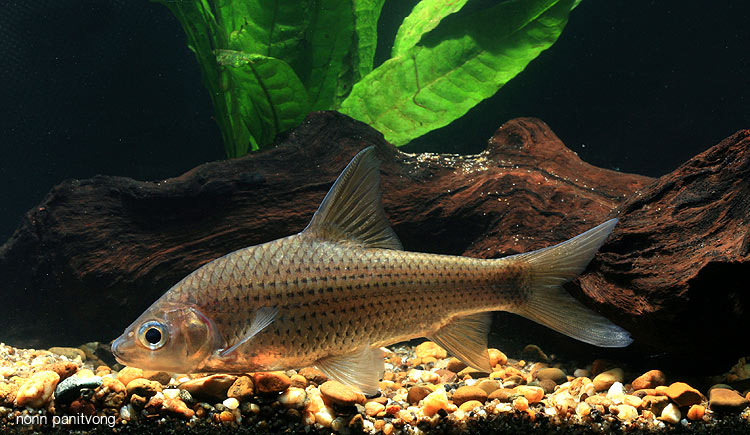
Cyclocheilichthys repasson
Bleeker, 1853
Matched on Barbus repasson, a name it was formerly known by
Max length280mm SL11in SLTank180 × 45cm72 × 18inTemp20–26°C68–79°FpH5.0–8.0An ideal resident of the larger, well-furnished community set-up though it might upset slow-moving or timid companions simply by its size. There are plenty of suitable tankmates including many cyprinids, loaches, cichlids, catfish and characins, but as always when selecting a compatible community of fish proper research is essential. A community based around one of its native countries or river basins...
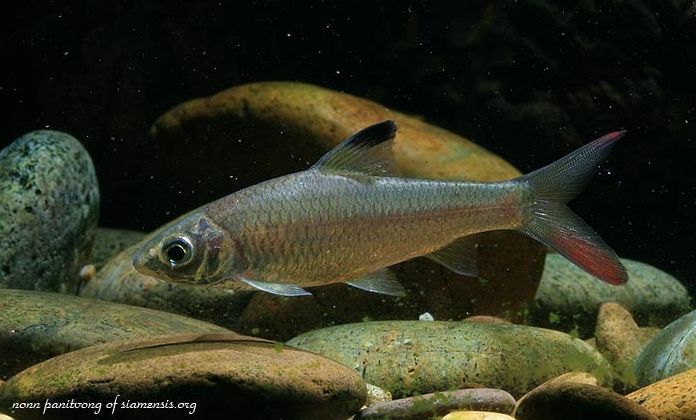
Discherodontus ashmeadi
Fowler, 1937
Matched on Barbus, a name it was formerly known by
Max length135mm SL5in SLTank120 × 45cm48 × 18inTemp23–26°C73–79°FpH6.0–7.5D. ashmeadi is the type species and exhibits differences in dental morphology compared with other members of the genus. It can also be told apart from D. halei by the red/pink (vs. orange) colouration in the dorsal and anal fins and serrated (vs. smooth) dorsal spine. D. schroederi is also similar-looking but as it matures the prominent dark dorsal blotch fades to a thin dark distal band whereas in D. ashmeadi it is retained throughout life.
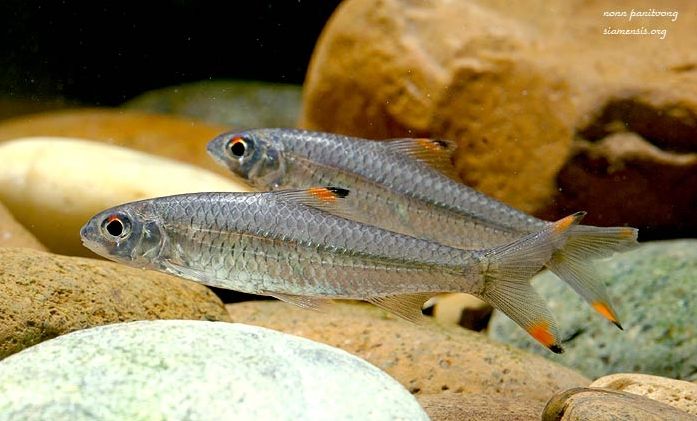
Discherodontus halei
Duncker, 1904
Matched on Barbus halei, a name it was formerly known by
Max length100mm SL3.9in SLTank120 × 45cm48 × 18inTemp21–26°C70–79°FpH6.0–7.5Appears to have a disjunct range with records from Pahang state in central Peninsular Malaysia, plus the Mae Klong and Chao Phraya river systems in Thailand, but it has not been recorded in Peninsular Thailand. Type locality is 'Pahang River, Kuala Tembeling, eastern slope of Sangka Dua Pass, Malaysia, elevation about 2000 feet'.
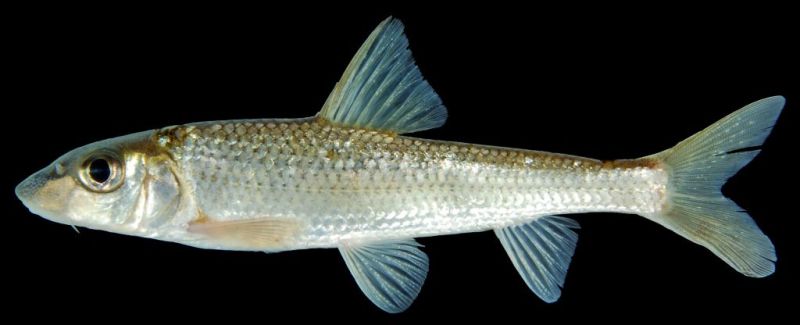
Hemibarbus maculatusSpotted Steed
Bleeker, 1871
Matched on Barbus semibarbus, a name it was formerly known by
Max length400mm SL16in SLTanknot recordedTempnot recordedpHnot recordedWidepread in eastern Asia between the Yangtze and Amur river basins, including China (mainland and islands of Taiwan and Hainan), Korea, Mongolia, Russia, and Japan. It probably been introduced to Vietnam and Laos, or records from these countries represent another species.
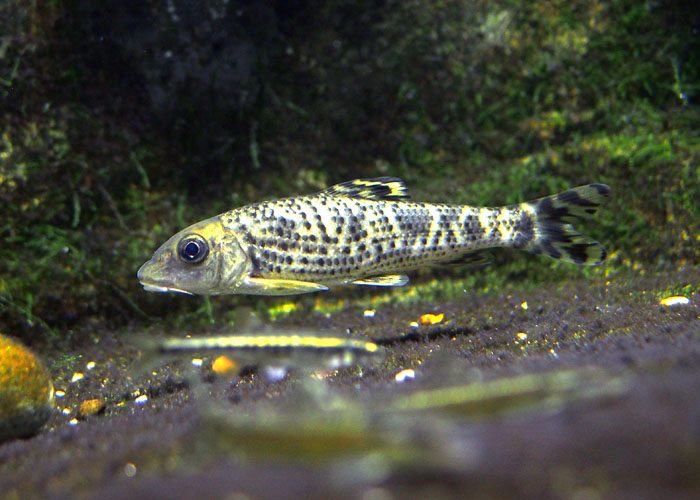
Hemibarbus mylodon
Berg, 1907
Matched on Barbus mylodon, a name it was formerly known by
Max length350mm SL14in SLTanknot recordedTempnot recordedpHnot recordedEndemic to the Korean peninsula where it occurs throughout North Korea and South Korea. Type locality is 'Keumsan River, near Pusan, South Korea.'
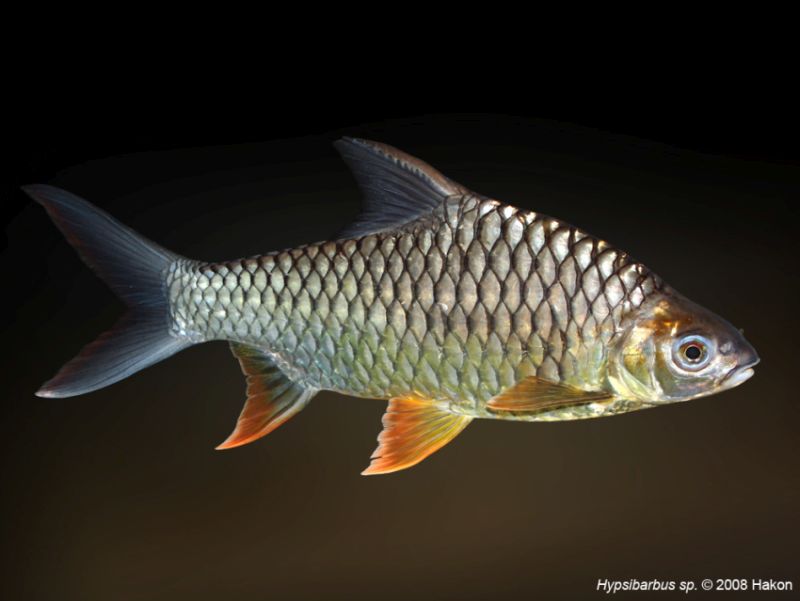
Hypsibarbus wetmorei
Smith, 1931
Matched on Barbus beasleyi, a name it was formerly known by
Max length250mm SL10in SLTank240 × 60cm96 × 24inTemp20–26°C68–79°FpH6.0–8.0H. wetmorei is distinguished from congeners by the following combination of characters: upper body reddish brown; robust body, not compressed; usually 4½ scale rows between lateral line and dorsal-fin origin; 8-12 rakers on first gill arch; 7-9 predorsal scales; 14 circumpeduncular scale rows; usually two scale rows separating vent and anal-fin; <29 lateral line scales; 9-14 serrations on the spinous dorsal-fin ray; distance between distal serrae on posterior margin of last unbranched dorsal-fin ray much greater than the width of their bases.
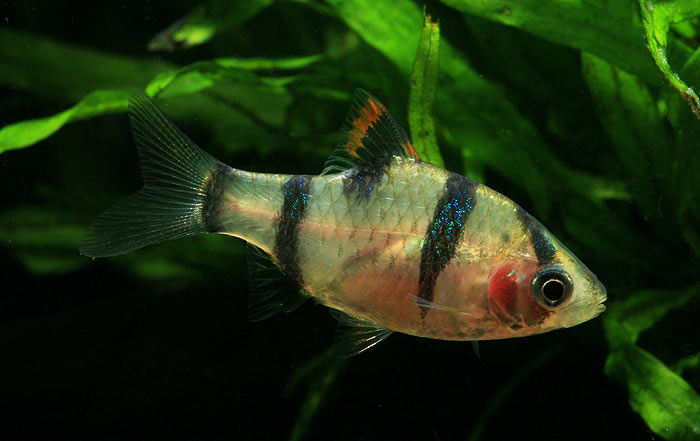
Puntigrus partipentazona
Fowler, 1934
Matched on Barbus partipentazona, a name it was formerly known by
Max length40mm SL1.6in SLTank80 × 30cm31 × 12inTemp20–26°C68–79°FpH5.0–7.0Recorded from numerous river basins in Vietnam, Cambodia, Laos, Thailand, and Peninsular Malaysia, including the Mekong, Chao Phraya, Mae Khlong, Chanthaburi, Tapi, Golok, Terengganu, Pahang, Endau, and Muar. Type locality is 'Kratt, southeastern Siam', which corresponds to modern-day Trat Province, Thailand.