Results for “anal-fin”
Type a name: scientific, common, or one a species used to go by. Or narrow the catalogue with the filters.
Filters
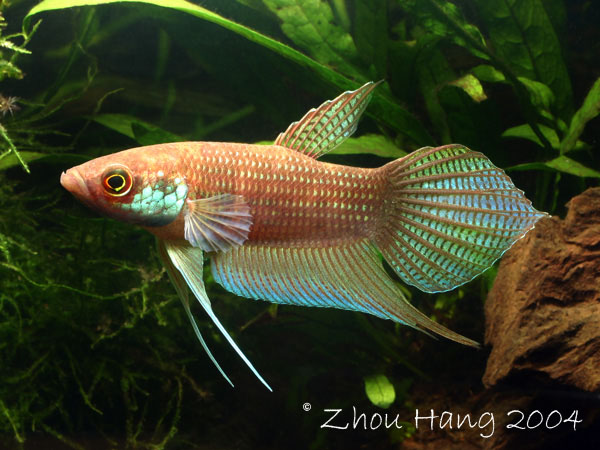
Betta raja
Tan & Ng, 2005
Max length70mm SL2.8in SLTank80 × 30cm31 × 12inTemp22–27°C72–81°FpH4.0–7.0It should be noted that not all authors consider the B. pugnax group to contain the same species, with some placed in the B. picta complex by Schindler and Schmidt (2006), for example. B. raja can be told apart from other members of the B. pugnax group by the following characters: mature males with very long pelvic fins covering 15-23 anal-fin rays or even longer than the base of the anal-fin in some cases; anal-fin and lower caudal-fin with black marginal bands; 25-28 anal-fin rays; 30-32 lat...
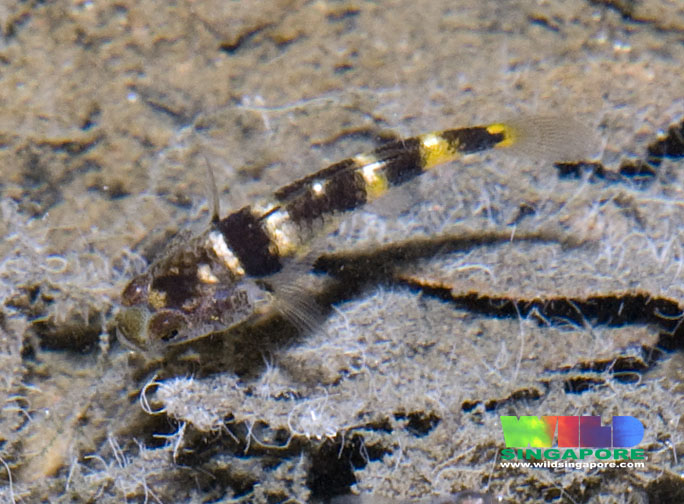
Brachygobius kabiliensisKabili bumblebee goby
Inger, 1958
Max length18mm SL0.7in SLTank45 × 30cm18 × 12inTemp22–28°C72–82°FpHnot recordedIt can be diagnosed as follows: <30 lateral scales; two black body bands reaching ventral midline posterior to anal-fin; band above anal-fin also reaching ventral midline no black band on head, though the first band may touch the posterior margin of the eye; band above anal-fin not reaching ventral midline; 6 branched anal-fin rays; 7-8 predorsal scales. Brachygobius currently contains 9 described species but is likely to prove more diverse should a review be carried out. Alt...
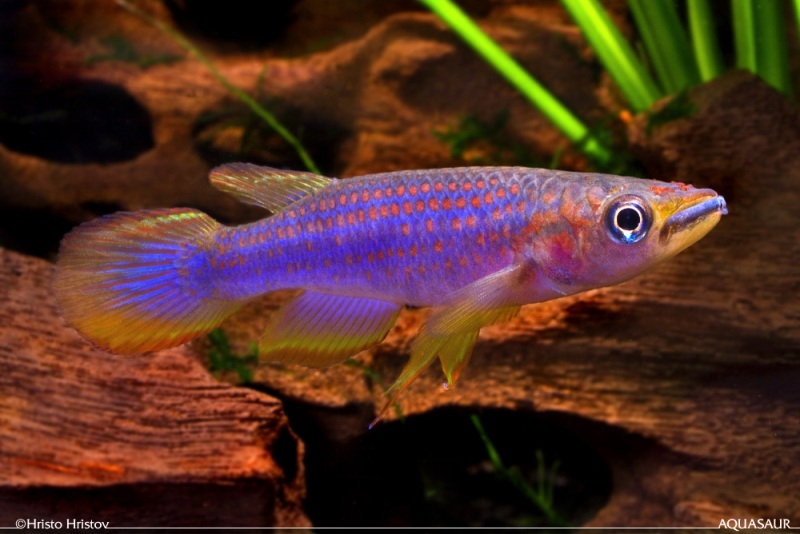
Epiplatys lamotteiRed-spotted Panchax
Daget, 1954
Max length60mm SL2.4in SLTank80 × 30cm31 × 12inTemp18–23°C64–73°FpH5.0–7.0Following the key of Romand (1992) this species can be told apart from congeners by the following combination of characters: adult size > 40 mm SL; large, dark, transverse bars and some reddish-brown pigmentation on flanks; longitudinal bands more-or-less defined; longitudinal bands composed of small red spots; caudal-fin subquadrangular caudal fin; 11-13 anal-fin rays; 16-17 dorsal-fin rays; 7-8 anal-fin rays located anterior to dorsal-fin origin.
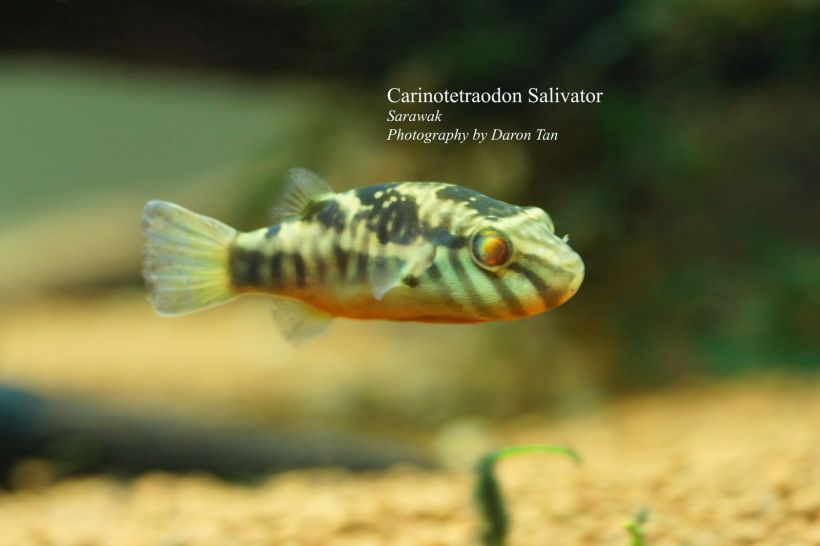
Carinotetraodon salivator
Lim & Kottelat, 1995
Max length50mm SL2.0in SLTank60 × 30cm24 × 12inTemp20–28°C68–82°FpH5.0–7.5It is included in a group often referred to as 'red-eyed puffers', which currently contains four recognised species distributed in Indochina and the Greater Sunda Islands. It can be distinguished from C. borneensis, C. irrubesco, and C. lorteti, the remaining members of this group, by the following combination of characters: 11 dorsal-fin rays; 16 pectoral-fin rays; 11-13 anal-fin rays; 11 caudal-fin rays; eyes not bulging above the head; in males dorsal-fin hyaline, black spot on dorsal-fin base present, pectoral-fin base hyaline, anal-fin hyaline with no black spot at base...
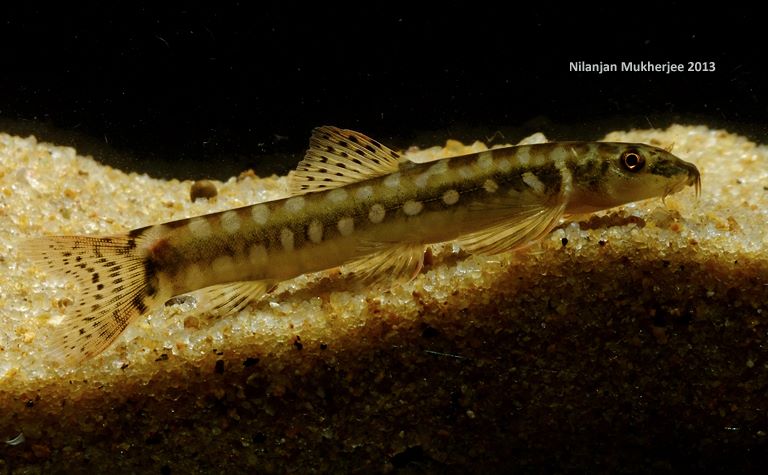
Mesonoemacheilus guentheri
Day, 1867
Max length60mm SL2.4in SLTank60 × 30cm24 × 12inTemp19–25.5°C66–78°FpH6.0–7.5However, according to the identification key of Rema Devi and Indra (2002), the two can be distinguished by a combination of factors as follows: body spots rounded in shape (vs. 'Y' or 'V' shaped in M. herrei); caudal peduncle relatively long (vs. relatively short); anal-fin not reaching base of caudal-fin (vs. anal-fin reaching base of caudal-fin); caudal peduncle with a dark band (vs. caudal peduncle with a dark spot); sub...
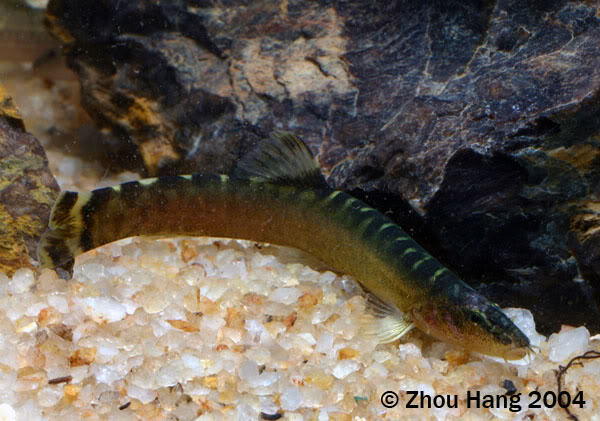
Leptobotia guilinensis
Chen, 1980
Max length100mm SL3.9in SLTank120 × 30cm48 × 12inTemp15.5–21°C60–70°FpH6.5–7.5L. elongata is the type species of the genus but according to current knowledge there exist 13 members in total, all of which are endemic to China and northern Vietnam. They're diagnosable by the following shared characters: possession of a simple (non-bifurcated), short sub-ocular spine not extending beyond the posterior edge of the eye; a laterally-compressed body; relatively deep caudal peduncle; pelvic fins reaching origin of anal-fin; anus below base of dorsal-fin and equidistant between pelvic and anal-fin origins.
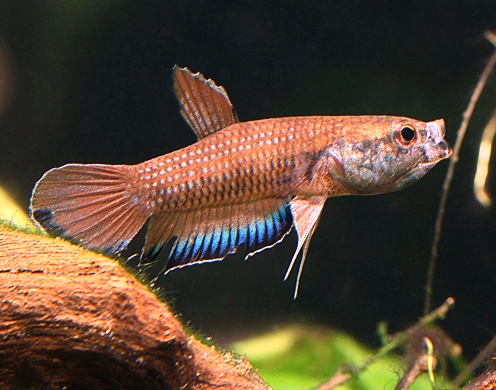
Betta falx
Tan & Kottelat, 1998
Max length50mm SL2.0in SLTank60 × 30cm24 × 12inTemp22–27°C72–81°FpH4.7–6.8B. falx is included in the Betta picta group/complex of closely-related species within the genus, an assemblage comprising species with the following shared characters: unpaired fins rounded (anal-fin sometimes tapering to a blunt point); anal-fin rays I-III, 18-24; dark marginal band on anal and caudal fins, more pronounced in mature males; presence of pre-orbital and post-orbital stripes; presence of chin bar on throat; iridescent green, gold, or blue scales on opercle.
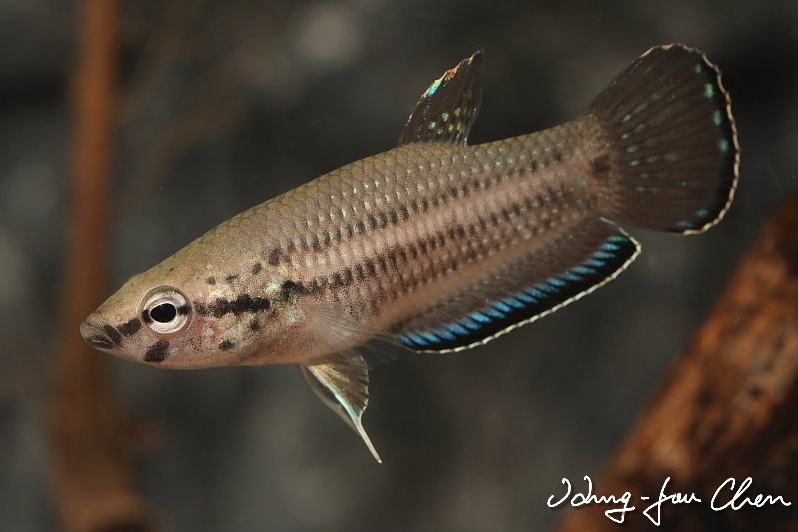
Betta simplex
Kottelat, 1994
Max length60mm SL2.4in SLTank60 × 30cm24 × 12inTemp20–28°C68–82°FpH7.0–8.0B. simplex is included in the Betta picta group/complex of closely-related species within the genus, an assemblage comprising species with the following shared characters: unpaired fins rounded (anal-fin sometimes tapering to a blunt point); anal-fin rays I-III, 18-24; dark marginal band on anal and caudal fins, more pronounced in mature males; presence of pre-orbital and post-orbital stripes; presence of chin bar on throat; iridescent green, gold, or blue scales on opercle.
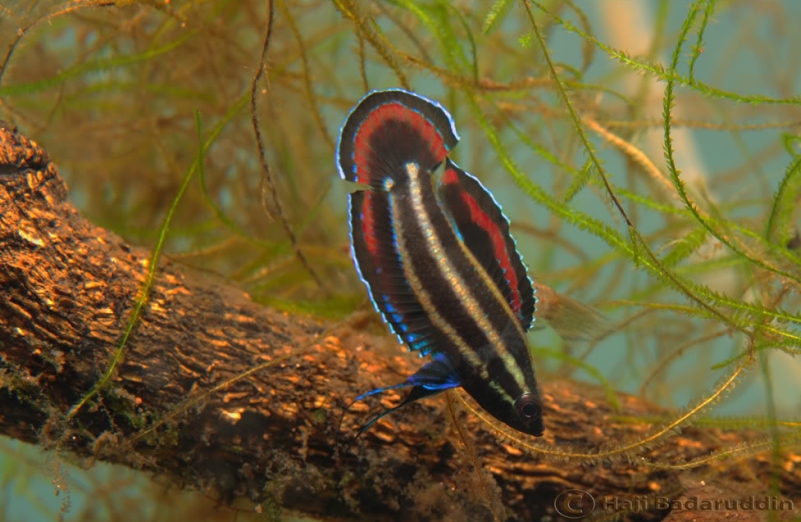
Parosphromenus tweediei
Kottelat & Ng, 2005
Max length35mm SL1.4in SLTank40 × 20cm16 × 8inTemp22–28°C72–82°FpH3.0–6.5This species has been known in the aquarium hobby since the mid-twentieth century but has almost always been identified as the congener P. deissneri and appears as such in the majority of aquarium literature. It can be told apart from congeners by the colour pattern in adult males (see 'Sexual Dimorphism') plus possession of 11-12 spinous dorsal-fin rays, 13-14 spinous anal-fin rays and 6-8 segmented anal-fin rays.
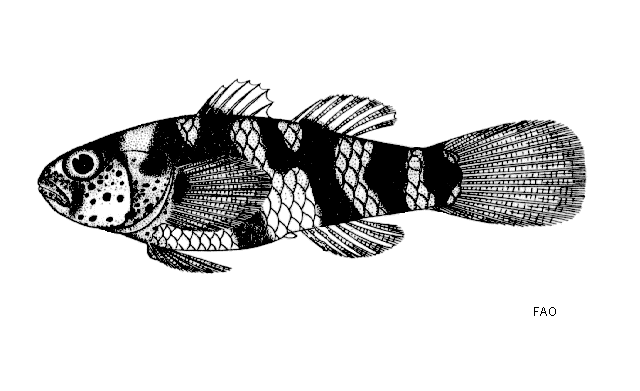
Brachygobius aggregatusSchooling Bumblebee Goby
Herre, 1940
Max length44mm SL1.7in SLTank45 × 30cm18 × 12inTemp22–28°C72–82°FpHnot recordedThough this species appears on ornamental trade lists quite often the name appears to be routinely misapplied to other species, particularly B. doriae. It can be diagnosed as follows: <30 lateral scales; two black body bands reaching ventral midline posterior to anal-fin; band above anal-fin als...
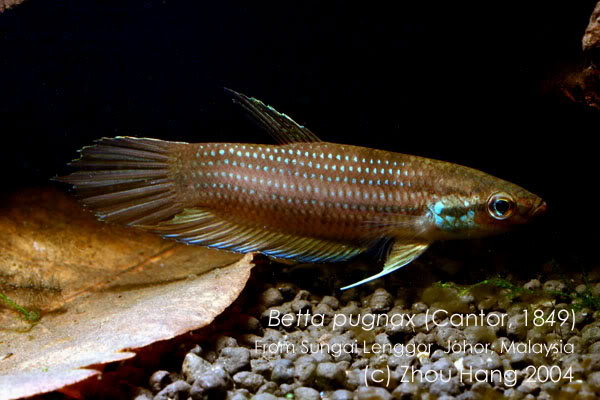
Betta pugnax
Cantor, 1849
Max length70mm SL2.8in SLTank80 × 30cm31 × 12inTemp22–28°C72–82°FpH4.0–7.5It can be told apart from other members of the B. pugnax group by the following characters: chin bar present; no complete second postorbital stripe on opercle; presence of transverse bars in caudal-fin of males; caudal-fin in males broadly lanceolate; opercle scales iridescent blue; anal-fin with reddish subdistal band and black margin; caudal-fin without dark margin; 25-28 anal-fin rays; 28-31 lateral scales; 11-12 postdorsal scales; length of pelvic fins 26.6-43.8 % SL; length of head 27.5-35.2 % SL; inter-orbital width 32.4-53.0 % HL.
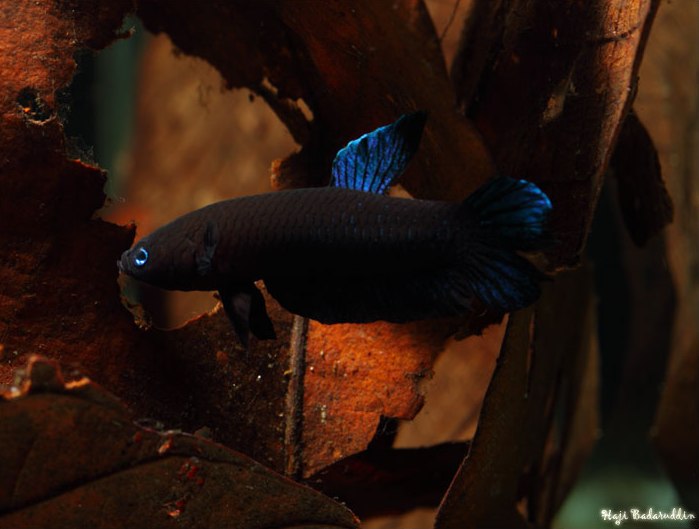
Betta persephone
Schaller, 1986
Max length35mm SL1.4in SLTank45 × 30cm18 × 12inTemp22–28°C72–82°FpH4.0–6.0B. persephone can be told apart from other members of the group by the following characters: no lateral blotch; body blackish; dorsal surface of head posterior to eye sloping gently; no parallel vertical iridescent gold opercle bars; pelvic-fin falcate with white filamentous tip, remainder black to reddish; median fins covered diffusely with light green iridescence; dorsal fin-rays 9; anal-fin rays 24-27; subdorsal scales 6-7; lateral scales 27-29; predorsal scales 17-18.
Betta coccinaScarlet Betta
Vierke, 1979
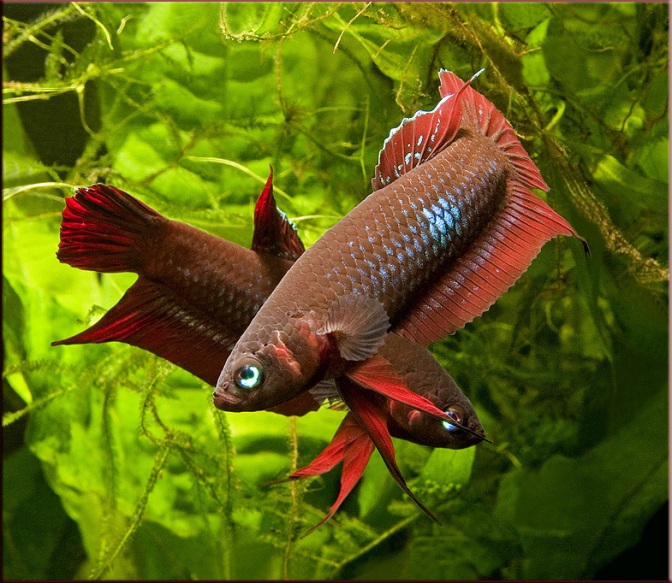
Max length40mm SL1.6in SLTank45 × 30cm18 × 12inTemp22–30°C72–86°FpH4.0–6.0B. coccina can be told apart from other members by the following combination of characters: iridescent green lateral blotch present in male, absent in female; body dark red in colour; no parallel vertical iridescent gold opercle bars; pelvic fin falcate with black filamentous tip, remainder red; median fins with discrete iridescent green spots; dorsal fin-rays 9-12; anal-fin rays 27-29; subdorsal scales 7-8; lateral scales 31-32; predorsal scales 18-21. The genus Betta is the most speciose within the family Osphronemidae with almost 70 reco...
Channa burmanica
Chaudhuri, 1919
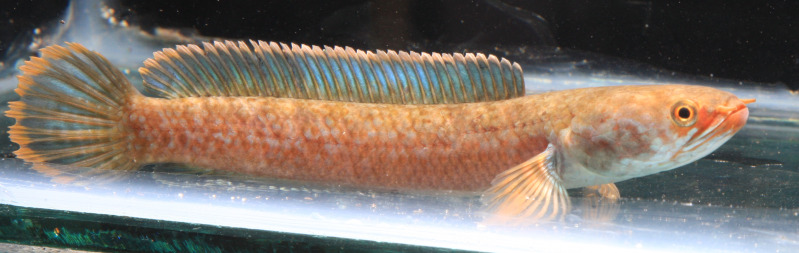
Max length200mm SL8in SLTank120 × 45cm48 × 18inTemp10–22°C50–72°FpH6.0–8.0It's one of several genus members to lack pelvic fins and following Chaudhuri (1919) also has 51 lateral line scales, 38 dorsal-fin rays, 28 anal-fin rays, 12 caudal-fin rays, 15 predorsal scales, pectoral-fins with alternating dark and light bands, and white-tipped dorsal...
Betta pictaSpotted Betta
Valenciennes, 1846
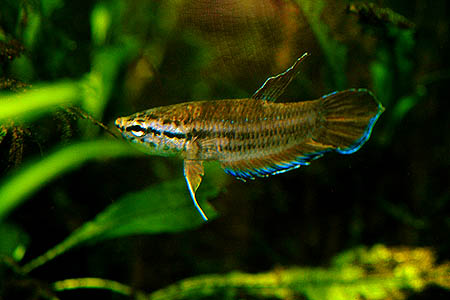
Max length50mm SL2.0in SLTank60 × 30cm24 × 12inTemp22–28°C72–82°FpH5.5–7.5This species lends its name to the Betta picta complex of closely-related species, an assemblage of which members share the following combination of characters: unpaired fins rounded (anal fin sometimes pointed): I-III, 18-24 anal-fin rays; anal and caudal fins with dark distal margins, most pronounced in mature males; pre- and post-orbital stripes present; chin bar present; opercle with iridescent blue, green, or gold scales.
Devario chrysotaeniatus
Chu, 1981
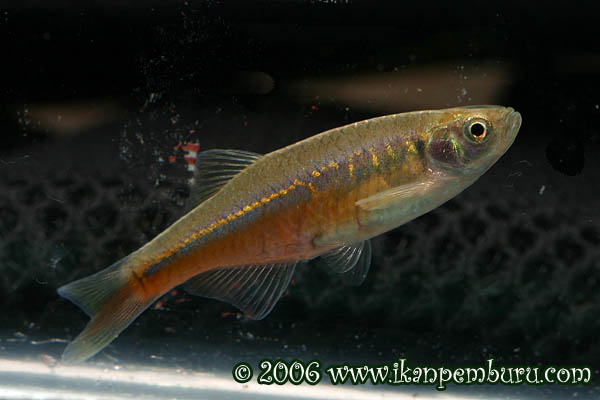
Max length75mm SL3.0in SLTank120 × 30cm48 × 12inTemp23–26°C73–79°FpH6.0–7.0This species is poorly known and first appeared in the hobby during 2005 but has rarely been seen since, probably because its natural waters lie outside the range of most commercial collectors. It can be distinguished by a combination of characters including: lateral line complete; infraorbital process absent; two pairs of short barbels; 8-9 branched dorsal fin rays; 12-13 branched anal fin rays; P stripe originating above pelvic fin and extending to en...
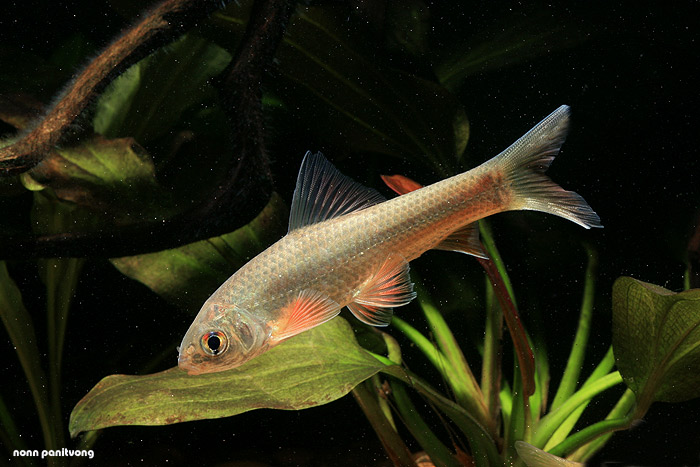
Gymnostomus ornatapinnis
Roberts, 1997
Max length100mm SL3.9in SLTanknot recordedTempnot recordedpHnot recordedG. ornatapinnis can be distinguished from congeners by the following combination of characters: head small; snout relatively short and blunt; caudal peduncle very deep; pectoral, pelvic, and anal fins usually reddish-orange or rose-tinted; pelvic and anal fins often with white tips; barbels completely absent.
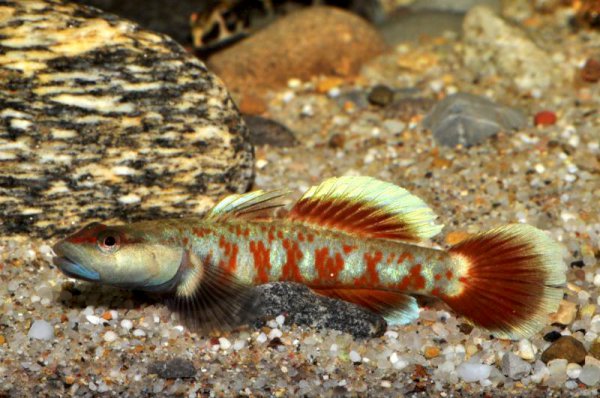
Rhinogobius zhoui
Li & Zhong, 2009
Max length36mm SL1.4in SLTank60 × 30cm24 × 12inTemp19–24°C66–75°FpH7.0–7.8This species has been in the aquarium trade since 2010 and is sold under several names including 'Chinese vermilion goby', 'Zhou's scarlet goby', 'scarlet goby', and 'flame goby'. It can be told apart from congeners by the following combination of characters: second dorsal-fin rays I, 8-9; anal-fin rays I, 7-8; pectoral-fin rays 16-18; longitudinal scale series 29-31; predorsal scales 10-12; vertebral count 10+16=26.
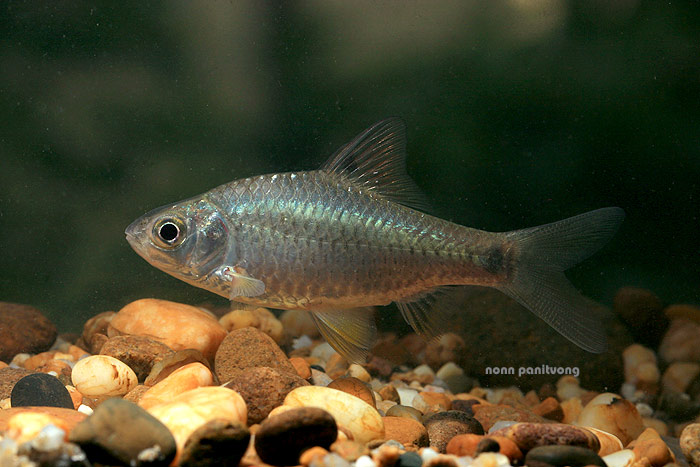
Puntius cholaSwamp Barb
Hamilton, 1822
Max length130mm SL5in SLTank120 × 45cm48 × 18inTemp18–26°C64–79°FpH5.5–8.0P. chola was retained in Puntius sensu stricto, of which members are defined by the following combination of characters: adult size usually less than 120 mm SL; maxillary barbels absent or present; rostral barbels absent; 3-4 unbranched and 8 branched dorsal-fin rays; 3 unbranched and 5 branched anal-fin rays; last unbranched dorsal-fin ray weak or strong and unserrated; lateral line complete with 22-28 pored body scales...
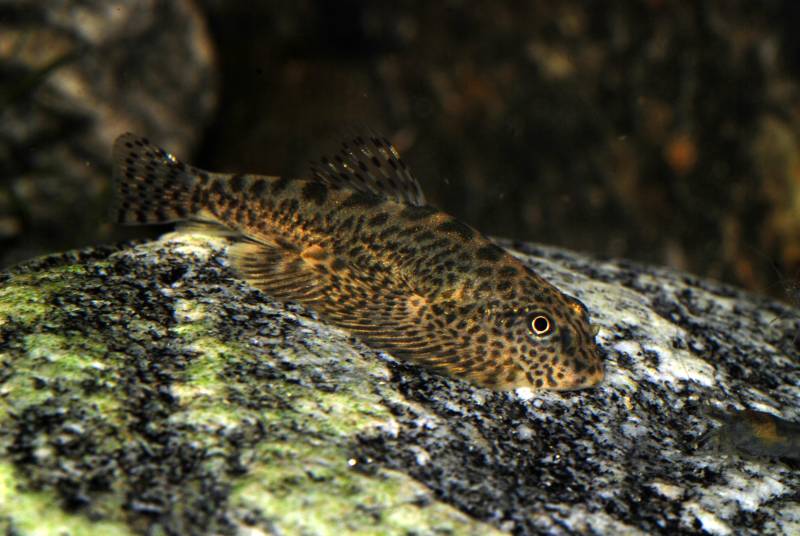
Sewellia speciosa
Roberts, 1998
Max length55mm SL2.2in SLTank75 × 30cm30 × 12inTemp20–24°C68–75°FpH6.0–7.5This species first became available in early 2010 and sometimes appears on trade lists under the vernacular names 'Laos sucker' or 'Laos Sakura sucker'. It's distinguishable from other members of the genus by the following combination of characters: body spotted and without stripes; no concentric bands on paired fins; origin of pelvic-fin below origin of dorsal-fin; origin of pectoral-fin posterior to corner of mouth; pelvic fin reaching origin of anal fin; small elevated ...