Results for “sport”
Type a name: scientific, common, or one a species used to go by. Or narrow the catalogue with the filters.
Filters
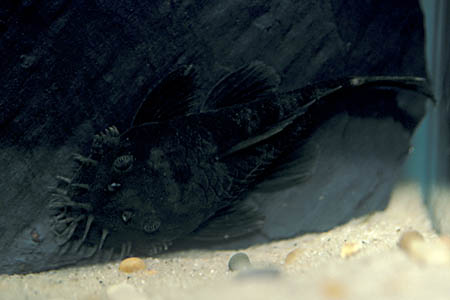
Ancistrus ranunculusL034
Muller, Rapp Py-Daniel & Zuanon, 1994
Max length130mm SL5in SLTank80 × 30cm31 × 12inTemp25–30°C77–86°FpH6.0–7.0A somehwhat odd-looking species with a distinctive wide head and overall flattened profile. Unfortunately this fish is not the easiest fish to keep alive in the aquarium since it requires rather specialised conditions and is often in poor condition post-import. As a juvenile, it often sports a pattern of light spots on the body, leading to confusion with the similarly shaped L255 species.In A. ranunculus, these spots fade as the fish mature,...
Cichla monoculusTucanare Peacock Bass
authority not recorded
Max length800mm SL31in SLTanknot recordedTemp25–28°C77–82°FpH6.5–7.5Due to their large size, Peacock Bass are only really recommended for the experienced fishkeeper that can house them adequately. That said, they are a hardy and robust species that will adapt to a variety of conditions. Peacock Bass are becoming much more available in the hobby and are often seen for sale as cute 2" babies, often tempting people into buying a fish they will not be able to care for in the long term. Peacock Bass are also fished as a sport fish....
Cichla ocellarisPeacock Bass
authority not recorded
Max length750mm SL30in SLTanknot recordedTemp24–27°C75–81°FpH6.5–7.0Due to their large size, Peacock Bass are only really recommended for the experienced fishkeeper that can house them adequately. That said, they are a hardy and robust species that will adapt to a variety of conditions. Peacock Bass are becoming much more available in the hobby and are often seen for sale as cute 2" babies, often tempting people into buying a fish they will not be able to care for in the long term. Peacock Bass are also fished as a sport fish....
Cichla orinocensisOrinoco Peacock bass
authority not recorded
Max length600mm SL24in SLTanknot recordedTemp27–29°C81–84°FpH5.5–6.5Due to their large size, Peacock Bass are only really recommended for the experienced fishkeeper that can house them adequately. That said, they are a hardy and robust species that will adapt to a variety of conditions. Peacock Bass are becoming much more available in the hobby and are often seen for sale as cute 2" babies, often tempting people into buying a fish they will not be able to care for in the long term. Peacock Bass are also fished as a sport fish....
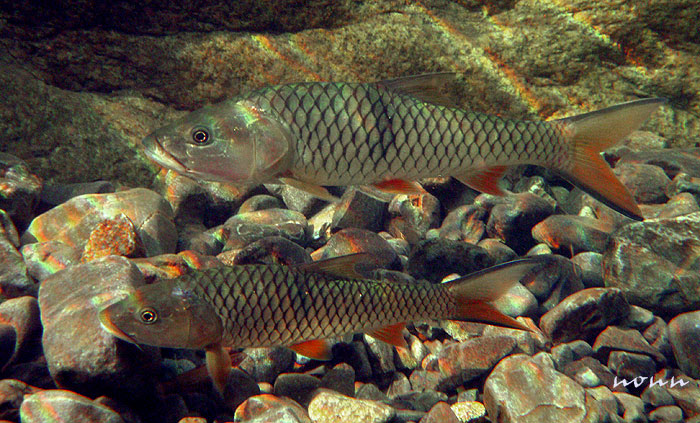
Hampala macrolepidotaHampala Barb
Kuhl & van Hasselt, 1823
Max length700mm SL28in SLTanknot recordedTemp20–26°C68–79°FpH5.5–8.0This species is also known by the vernacular 'jungle perch' or 'sidebar barb' and should not be considered an aquarium subject in all but the most extreme circumstances since it can grow to over 2 feet in length, weigh in excess of 5 kg and is a powerful, pelagic predator. It's also a popular sport fish with a reputation for striking hard.
Julidochromis ornatusGolden Julie
authority not recorded
Max length80mm SL3.1in SLTanknot recordedTemp23–27°C73–81°FpH7.5–9.0Julidochromis are commonly known as "Julies" in the hobby. This is one of the most common Julie species encountered in aquaria and may also be sold as the Yellow or Ornate Julie. The majority of specimens available are tank bred and do not exhibit as bright colouration as wild fish. As with other Julies, large water changes should be avoided as this can cause mated pairs to turn on one another. Several geographical morphs of this species are available, as is an aquarium sport albino...
Lates calcariferBarramundi
authority not recorded
Max length2000mm SL79in SLTanknot recordedTemp15–28°C59–82°FpH7.0–8.5This species is included purely because there have been an alarming number of juvenile fish showing up recently in some aquatic stores and as a result, in hobbyists tanks. This fish is simply not suited to captive life in any respect. To know that it's one of the most sought after sport fish in Australia should tell you all you need to know about it. Although undeniably attractive when juvenile, please don't be tempted to buy if you see these for sale. Housing one for life is beyond th...
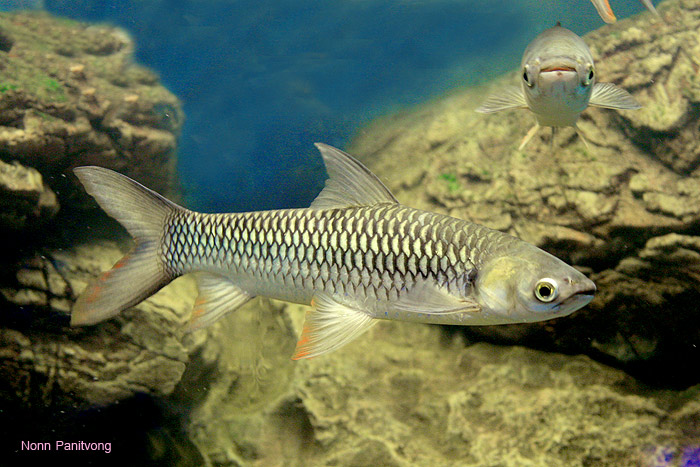
Leptobarbus rubripinnaRed-finned Cigar Shark
Fowler, 1937
Max length1000mm SL39in SLTanknot recordedTemp20–26°C68–79°FpH6.0–8.0This species was referred to as its congener Leptobarbus hoevenii for a number of decades and continues to be misidentified as such in the aquarium hobby, with both species traded under the same name. It is a popular sport fish in its native countries and is wholly unsuitable for private aquaria. Unfortunately it is...
Pelvicachromis pulcherKribensis
authority not recorded
Max length100mm SL3.9in SLTanknot recordedTemp24–27°C75–81°FpH5.0–7.5One of the most common and popular Cichlid species in the hobby, the vast majority of Kribensis (often simply called "Krib" by many fishkeepers) seen in the hobby today are captive bred and are far more adaptable in terms of water chemistry than the wild fish. They also tend to be less aggressive when breeding. An aquarium sport albino form is available and is fairly popular. This fish is one of the best choices for newcomers to both Cichlids and fish breeding, being of a manageable...
Silurus glanisWels catfish
authority not recorded
Max length5000mm SL197in SLTanknot recordedTemp3.9–20°C39–68°FpHnot recordedJuvenile specimens are occasionally available in the aquarium trade but this species is clearly not a viable subject for the vast majority of private aquarists. While it's considered a sport fish in some countries (France, Italy, Spain, UK) it's flesh and eggs are considered a delicacy in others (Hungary, Poland, Slovakia, Lithuania) and its skin is also used in the manufacture of leather and glue. The family Siluridae comprises those catfsh species commonly referred to as freshwate...