Results for “standing water”
Type a name: scientific, common, or one a species used to go by. Or narrow the catalogue with the filters.
Filters
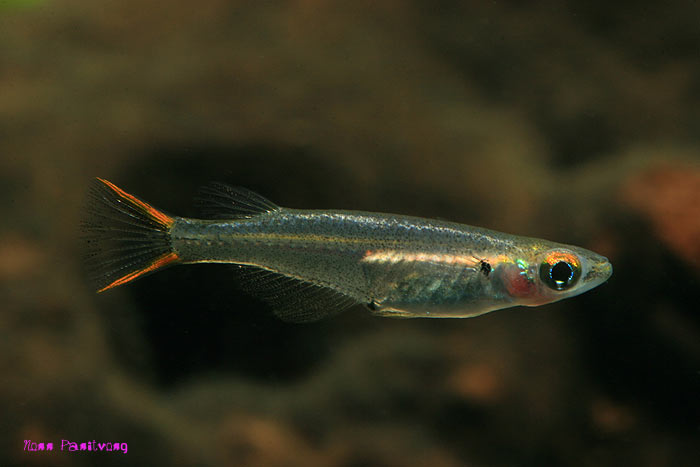
Oryzias songkhramensis
Magtoon, 2010
Max length20mm SL0.8in SLTank40 × 20cm16 × 8inTemp23–30°C73–86°FpH6.0–7.5An exclusive inhabitant of fresh, normally standing, waters including shallow pools, ditches, rice paddies and clear water swamps. The type locality is a small ditch measuring just 3 - 6 metres in width and 0.5 - 2 metres deep. The water was clear and the substrate composed of sand, detritus and mud with growths of the macrophytes Nymphaea lotus, Jussiaea repens and Hydrilla verticillata.
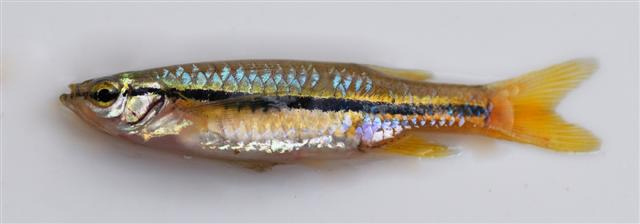
Esomus danricaFlying Barb
Hamilton, 1822
Max length70mm SL2.8in SLTank120 × 30cm48 × 12inTemp20–26°C68–79°FpH6.0–8.0Found in various types of habitat but shows a marked preference for shallow, slow-moving and standing waters such as rice paddies and other temporally-inundated environments with dense aquatic vegetation.
Heteropneustes fossilisLiver Catfish
authority not recorded
Max length300mm SL12in SLTank120 × 45cm48 × 18inTemp21–25°C70–77°FpH6.0–8.0Also known as the stinging or fossil catfish, H. fossilis is not recommended to the inexperienced due to its venomous nature. The venom is contained in sacs at the base of the pectoral spines. A sting from one of these is very painful indeed, in some very rare cases fatal. It goes without saying that extreme care must be exercised when performing tank maintenance, or if you need to move the fish for any reason. If stung, the wound should be immersed in water as hot as you can stand, as this will...
Phenacogrammus interruptusCongo Tetra
authority not recorded
Max length80mm SL3.1in SLTank120 × 30cm48 × 12inTemp23–28°C73–82°FpH6.0–7.5P. interruptus are quite sensitive to water quality and if a high standard is not maintained the development of the males' fins may be impaired and the fish will lose colour. They are also quite an easily frightened fish, particularly if they are not maintained in numbers. This species is most often seen for sale as a fairly drab, greyish 1 1/2" fish and is often overlooked. However once they are settled into the aquarium and have begun to mature they develop spectacular colouration. ...
Campylomormyrus tamanduaWorm-Jawed Mormyrid
authority not recorded
Max length400mm SL16in SLTank180 × 60cm72 × 24inTemp23–28°C73–82°FpH5.0–7.0C. tamandua is quite a rare fish in the hobby, but is imported occasionally. It's not a good beginner's fish as it requires pristine soft, acidic water conditions, will generally not feed on standard foods and attains a very respectable adult size. It's also sensitive to many aquarium medications. It can sometimes be found as a contaminant among imports of the much more common Elephant Fish, Gnathonemus petersii. Unlike this species, C. tamandua has both upper and lower jaws exten...
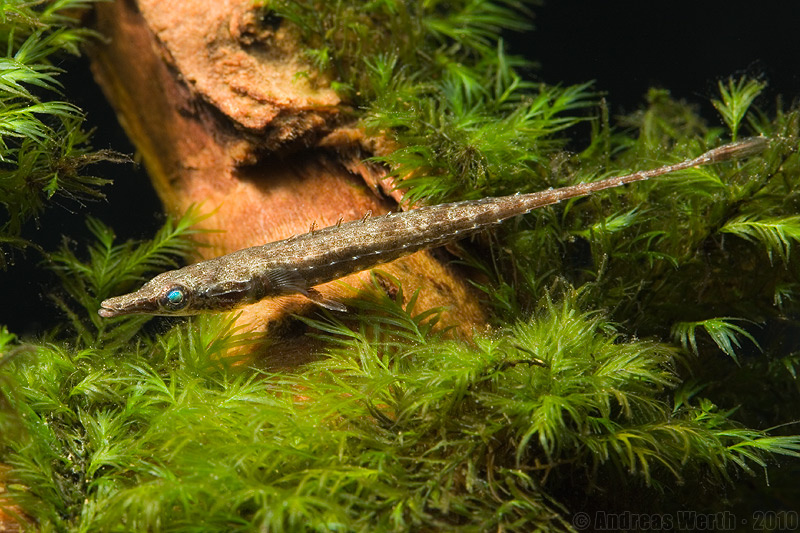
Indostomus crocodilus
Britz & Kottelat, 1999
Max length30mm SL1.2in SLTank40 × 20cm16 × 8inTemp22–27°C72–81°FpH5.0–7.0The type series was collected from a blackwater stream in Toh Daeng Peat swamp forest with the fish found in slow-moving or standing habitats among submerged shoreline roots and leaf litter. In the Tapi River floodplain it was collected from stagnant waters, one of which was an oxbow lake approximately 200 m long and 30 m across at its widest point, surrounded by 'freshwater scrub and swamp trees'. The substrate was composed of mud, woody structures including fallen twigs and branches, and decomposing plant material.
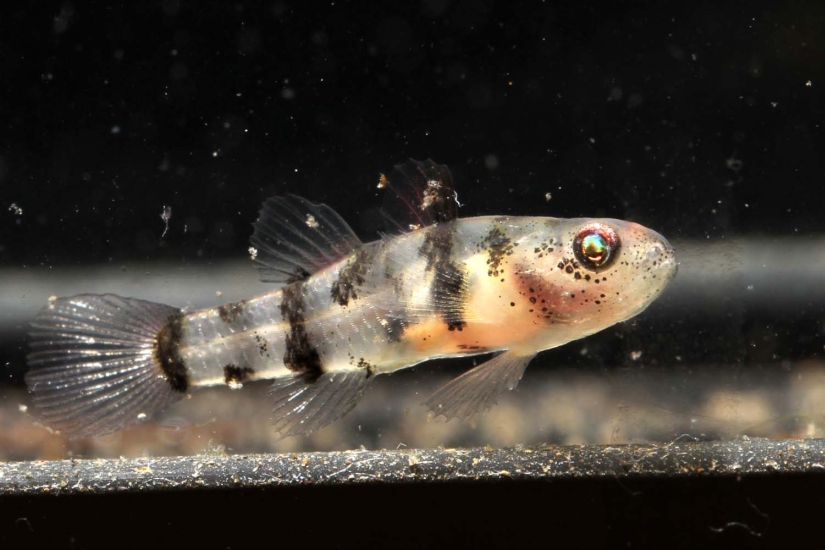
Brachygobius mekongensisMekong Bumblebee Goby
Larson & Vidthayanon, 2000
Max length18mm SL0.7in SLTank45 × 30cm18 × 12inTemp22–28°C72–82°FpH5.5–7.5Apparently restricted to slow-moving or standing freshwater habitats such as marshes, temporal swamps and floodplains where aquatic vegetation and submerged grasses proliferate. One locality consisted of undisturbed marshland with lightly tannin-stained water and dense growth of Vallisneria spp.
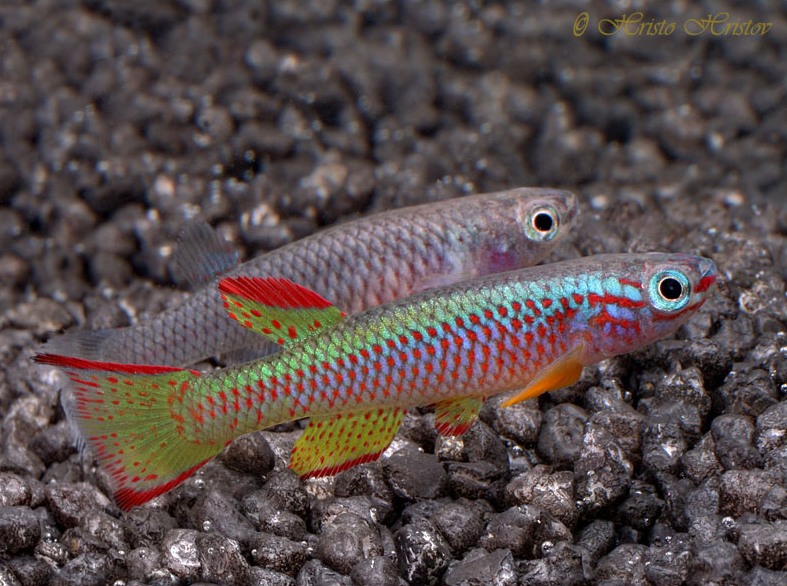
Aphyosemion gabunenseGabon Lyretail
Radda, 1975
Max length50mm SL2.0in SLTank45 × 25cm18 × 10inTemp22–28°C72–82°FpH6.5–7.2A. gabunense is a good beginner's killifish as it is not an annual species, being found in permanent bodies of water in nature. It exists in several geographical colour forms which are sometimes referred to the subspecies Aphyosemion gabunense gabunense, A. g. boehmi and A. g. marginatum. The latter two are slightly smaller with a maximum standard lenth around 45 mm, and all three can be told apart by differences in colour pattern.