Results for “genus”
Type a name: scientific, common, or one a species used to go by. Or narrow the catalogue with the filters.
Filters
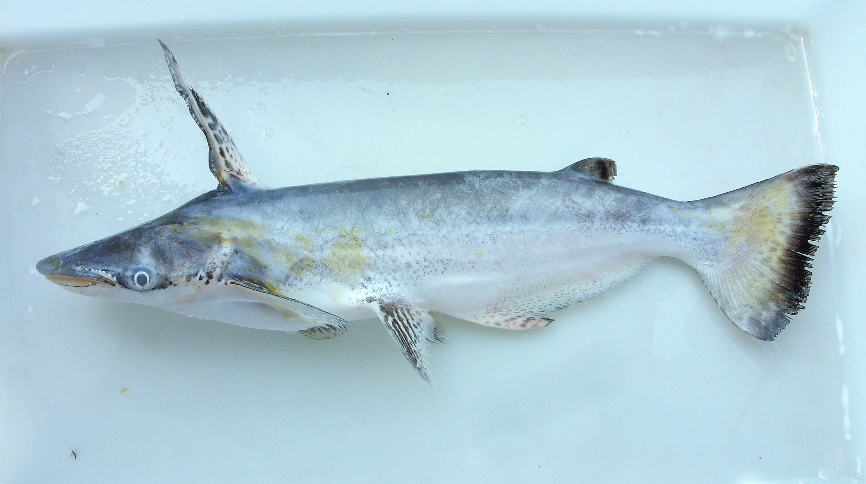
Ageneiosus inermisManduba
Linnaeus, 1766
Max length470mm SL19in SLTank400 × 120cm157 × 48inTemp22.5–26°C73–79°FpH5.5–7.5The genus Ageneiosus was at one point classified in the family Ageneiosidae alongside the genus Tetranematichthys, but this was not accepted by all authors. The grouping remains poorly-studied with the last major revision having been conducted by Watson (1990) in his unpublished dissertation, in which A. inermis was included under the currently synonymous name A. brevifilis. It can be separated from the majority of the genus (except A. marmoratus) by possession of a truncate caudal fin, and from...
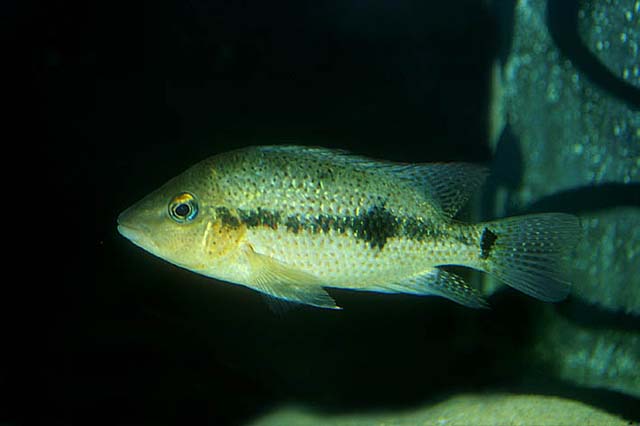
Darienheros calobrensisRedspot Cichild
Meek & Hildebrand, 1913
Max length250mm SL10in SLTank120 × 45cm48 × 18inTemp22–27°C72–81°FpH6.5–7.5A. calobrensis is not as common in the hobby as some other species in the genus (most notably A. citrinellus). It was considered a member of the genus Cichlasoma for some time, before being restored to its original position in Amphilophus. However it exhibits several characteristics that seem to set it apart from its congeners. As a result many experts believe it will probably be moved into a newly-erected genus at some point in the future. You may also see it listed as a member of Astatheros oc...
Hara jerdoniAsian Stone Catfish
authority not recorded
Max length30mm SL1.2in SLTank30 × 20cm12 × 8inTemp18–24°C64–75°FpH5.6–7.6This delightful little species can be distinguished from others in the genus by its elongated pectoral spines. It, and others in the genus (and also the closely related genus Erithistes), also go by the common name of moth catfish due to their patterning and shape when viewed from above....
Hyphessobrycon bentosiOrnate Tetra
Durbin, 1908
Max length45mm SL1.8in SLTank90 × 30cm36 × 12inTemp20–28°C68–82°FpH5.0–7.5A beautiful species that is very similar to a host of others in the genus, some of which are undescribed. The most frequently encountered of these in the trade is the rosy tetra, H. rosaceus. H. bentosi may also be seen for sale as 'Bentos' tetra' or 'White-tipped tetra'. As with the closely related Hemigrammus, the taxonomic status of all species in the genus Hyphessobrycon is currently Incertae Sedis, meaning uncertain. The genus is currently used as something of a ...
Leptodoras linnelliElongate Mouse Catfish
authority not recorded
Max length230mm SL9in SLTank120 × 45cm48 × 18inTemp18–22°C64–72°FpH5.8–7.0The genus Leptodoras currently contains 10 species, none of which are particularly well known in the hobby. There is little published information regarding the genus, and its members are seldom exported for the aquatic trade. L. linnelli is no exception, usually only turning up as bycatch among shipments of other species such as Opsodoras leporhinus or Hassar orestis. According to Fishbase, it can be distinguished from all other members of the genus except L. acipenserinus by the presence of...
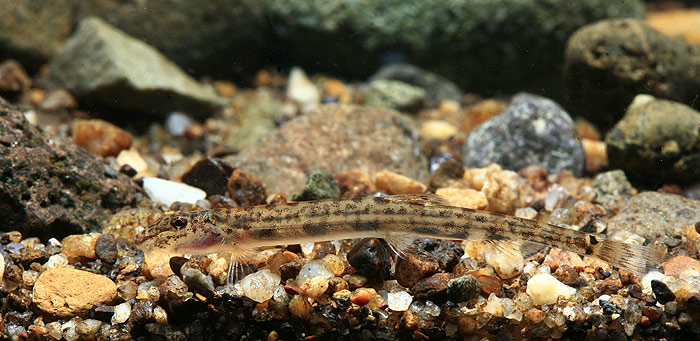
Acanthopsoides molobrion
Siebert, 1991
Max length50mm SL2.0in SLTank60 × 30cm24 × 12inTemp20–24°C68–75°FpH5.5–7.0Acanthopsoides spp. are most closely related to the horse-faced loaches of the genus Acantopsis with which they often co-occur in nature, and thus commonly referred to as 'dwarf horse-face loaches'. The genus currently comprises five species of which four were described by Siebert (1991); these were discovered in existing museum holdings...
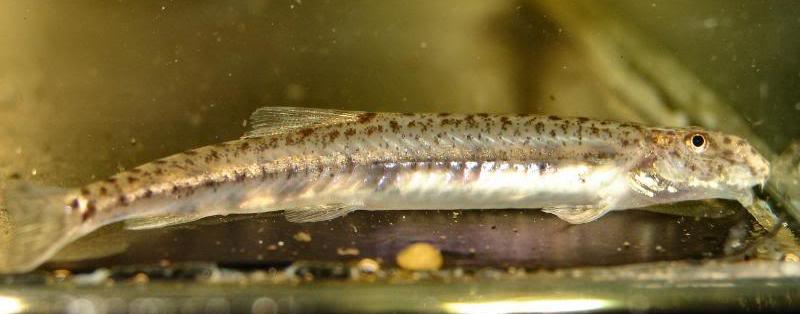
Acanthopsoides sp. 'A02'
authority not recorded
Max length55mm SL2.2in SLTank60 × 30cm24 × 12inTemp20–24°C68–75°FpH5.5–7.0Acanthopsoides spp. are most closely related to the horse-faced loaches of the genus Acantopsis with which they often co-occur in nature, and thus commonly referred to as 'dwarf horse-face loaches'. The genus currently comprises five species of which four were described by Siebert (1991);...
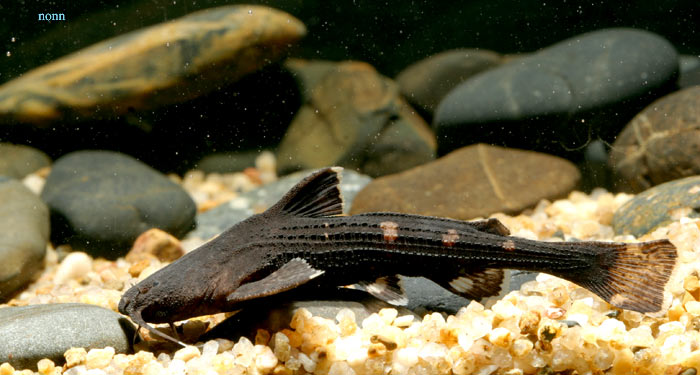
Acrochordonichthys rugosusAsian Banjo Catfish
Bleeker, 1846
Max length110mm SL4in SLTank90 × 30cm36 × 12inTemp17.5–24°C64–75°FpH5.0–7.0This is the most commonly-encountered representative of the genus in the aquatic trade though is by no means common. As in other members of the genus body colouration is highly variable, even among individuals collected from a single locality, although a few useful regularities have been observed which can be used to distinguish certain species. This is thought related to the fact that Acrochordonichthys spp. periodically shed their skins and appear paler post-moulting. A. rugosus lends its ...
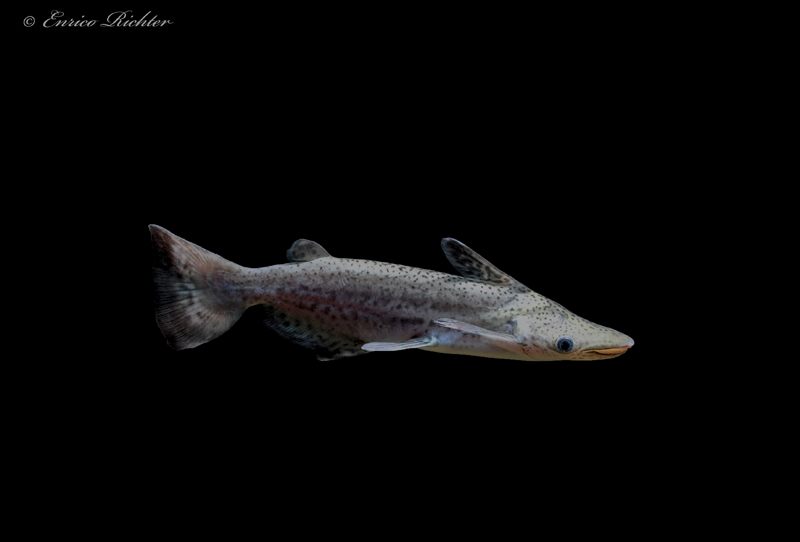
Ageneiosus marmoratusBottlenose Catfish
Eigenmann, 1912
Max length185mm SL7in SLTank150 × 60cm60 × 24inTemp22.5–26°C73–79°FpH6.0–7.0This species may also be seen on sale as 'Guyana slopehead catfish' 'dolphin catfish' or 'hammerhead catfish'. The attractive juvenile patterning is largely lost as the fish grow but this nevertheless remains an impressive predatory species for the larger aquarium. The genus Ageneiosus was at one point classified in the family Ageneiosidae alongside the genus Tetranematichthys, but this was not accepted by all...
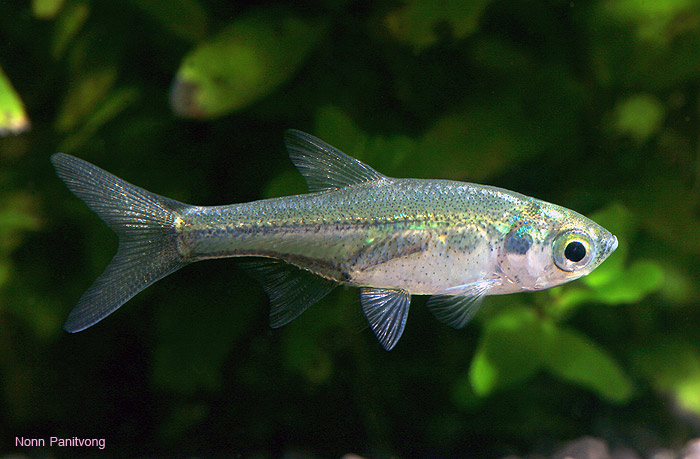
Amblypharyngodon chulabhornaePrincess Carplet
Vidthayanon & Kottelat, 1990
Max length40mm SL1.6in SLTank90 × 30cm36 × 12inTemp18–28°C64–82°FpH6.0–8.0The genus Amblypharyngodon currently contains five valid species, and A. chulabhornae can be distinguished from congeners by the following combination of characters: 42-50 (vs. 50-79) scales in the lateral row; lateral line incomplete with 6-7 (vs. 7-23) perforated scales; 4-5 scales on a transverse row between the lateral line and pelvic-fin base. All members of the genus lack barbels.
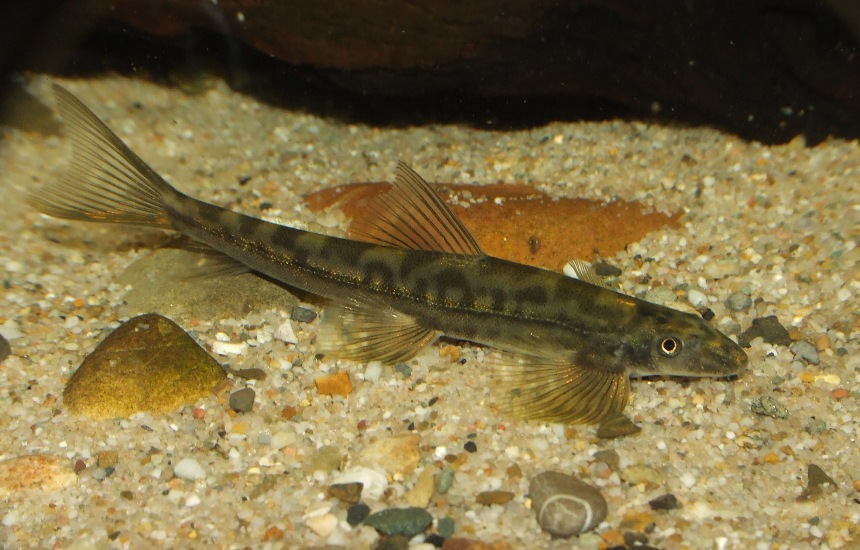
Annamia cf. thuathienensis
Nguyen, 2005
Max length100mm SL3.9in SLTank120 × 30cm48 × 12inTemp16–22°C61–72°FpH6.0–7.5Annamia spp. may be confused with related genera such as those of the genus Balitoropsis. They can be identified by their more depressed body shape, elongate lower caudal-fin lobe, and the presence of a single unbranched ray in the pectoral and pelvic fins. At least one undescribed member of the genus is thought to exist.
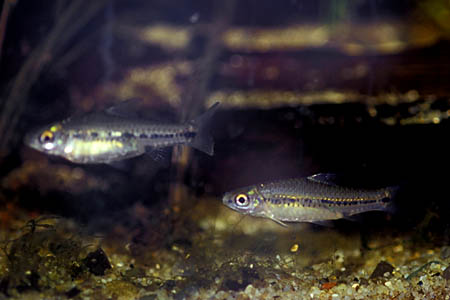
'Barbus' sublineatus
Daget, 1954
Max length100mm SL3.9in SLTank120 × 30cm48 × 12inTemp22–27°C72–81°FpH6.0–7.0The genus Barbus is in something of a confused state classification-wise. While there exist almost 340 putative species the vast majority of them do not appear to be closely-related to the genus Barbus sensu stricto. Berrebi et al. (1996) proposed that only the European, Southwest Asian and North African representatives should be included in Barbus (around 20 species) and that 'all species of Barbus sen...
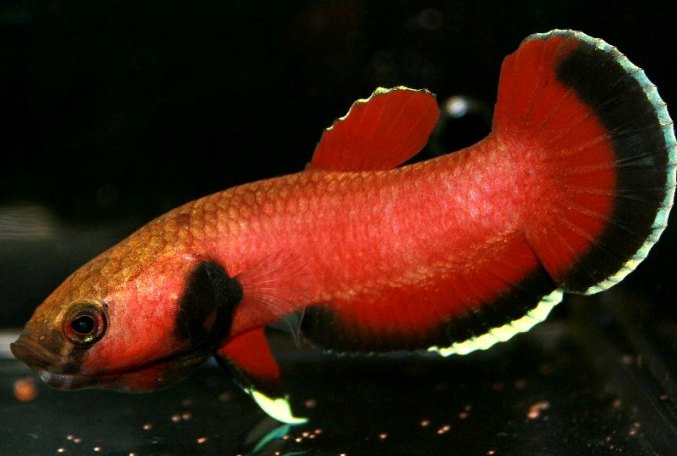
Betta channoidesSnakehead Betta
Kottelat & Ng, 1994
Max length40mm SL1.6in SLTank45 × 30cm18 × 12inTemp23–30°C73–86°FpH4.0–6.5B. channoides and B. albimarginata together comprise the Betta albimarginata group/complex of closely-related species within the genus, these differing from all other members of the genus in colour pattern and by possession of 9-12 anal-fin spines (vs. 0-4). They look very similar to one another but differ in the following characters: anal fin spines 9-11 in B. albimarginata vs. 12 in B. channoides; anal fin rays 21-23 vs. 23-25; lateral scale rows 26-27 vs. 27.5-28; trans...
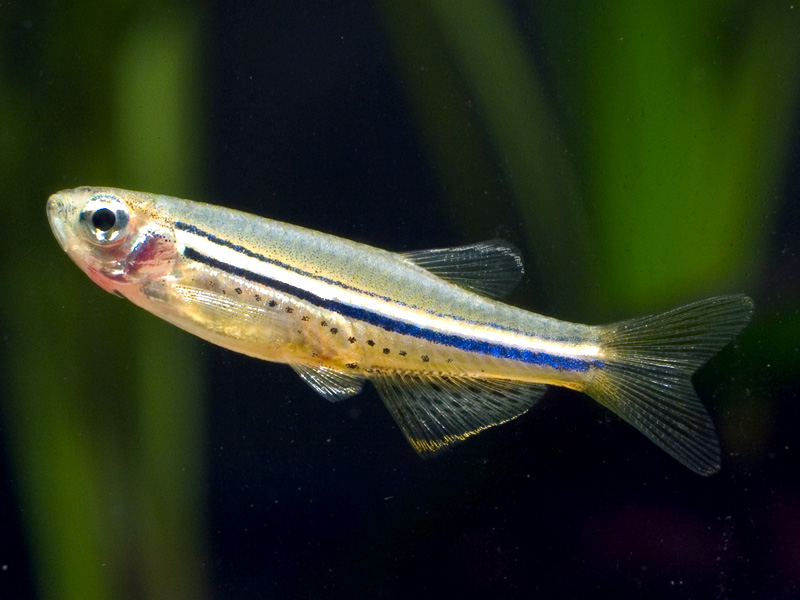
Brachydanio nigrofasciataDwarf Spotted 'Danio'
Day, 1870
Max length40mm SL1.6in SLTank60 × 30cm24 × 12inTemp18–26°C64–79°FpH6.0–7.5The genus Danio contains only the type species, D. dangila, separated on the basis of its larger size and the shape of the caudal-fin, which in adults is only slightly emarginate or even truncate in shape, a feature it shares only with Tinca tinca (the common tench) among other cyprinids. The remaining species, of which B. rerio is thought to be the most ancient, are included in the revalidated genus Brachydanio Weber & de Beaufort, 1916.
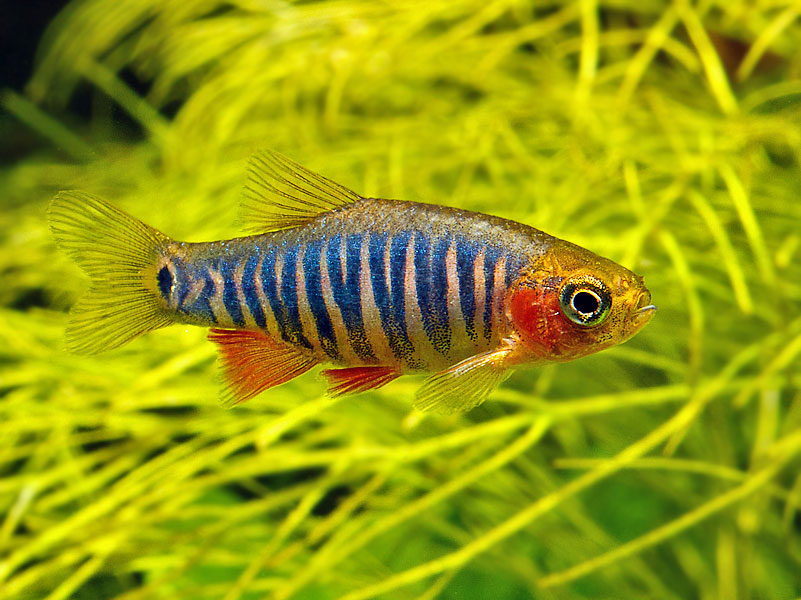
Celestichthys erythromicron
Annandale, 1918
Max length20mm SL0.8in SLTank60 × 30cm24 × 12inTemp20–24°C68–75°FpH7.0–8.0This species was formerly included in the genus Microrasbora although it's long-been considered a danionin by certain authors, e.g., Kottelat and Witte (1999) and was placed within the genus Danio for a period. In the aquarium trade it's marketed under various names including 'emerald dwarf danio', 'thick band purple zebra danio' and 'cross-banded dwarf rasbora'.
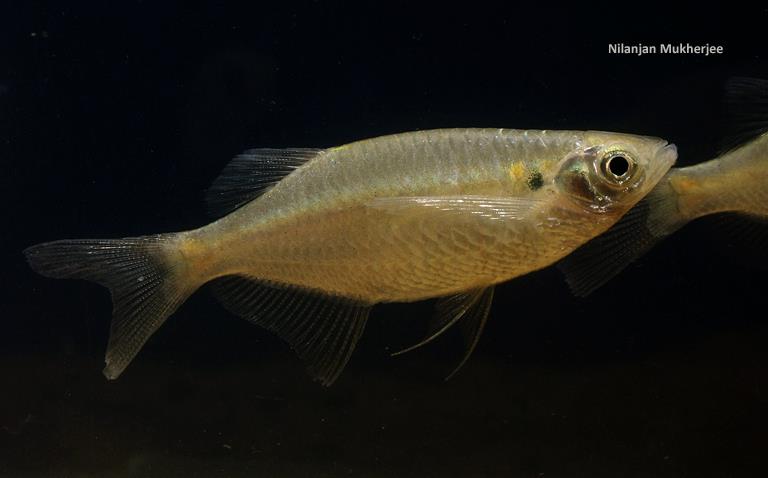
Chela cachiusNeon Hatchet Fish
Hamilton, 1822
Max length50mm SL2.0in SLTank90 × 30cm36 × 12inTemp18–24°C64–75°FpH6.0–8.0It is currently the only valid member of the genus but it is possible that additional taxa exist, particularly in Myanmar, while a number of former species are contained within the Laubuka assemblage, to which C. cachius is closely related. Phylogenetic studies suggest the existence of a monophyletic clade consisting of the genera Devario, Chela, Laubuca, Microdevario and Microrasbora plus the genus Betadevario.
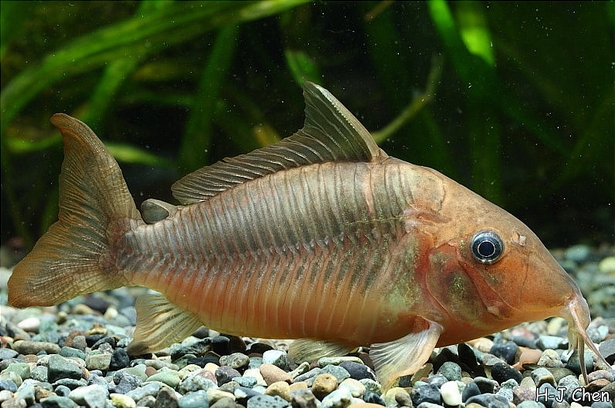
Corydoras britskiiGiant Brochis
Nijssen & Isbrücker, 1983
Max length90mm SL3.5in SLTank120 × 45cm48 × 18inTemp20–26°C68–79°FpH6.0–7.0Brochis was first synonymised with Corydoras by Britto (2003), since the latter genus cannot be considered monophyletic if the former is accepted as valid. This decision has been supported in subsequent phylogenetic studies by Shimabukuro-Dias et al. (2004) and Alexandrou et al. (2011), although the name Brochis is still common in aquarium literature. It is likely that the genus will be revalidated and expanded in the future following a required taxonomic review of the subfamily Corydoradinae as suggested by Alexandrou and Taylor (2011).
Craterocephalus stercusmuscarum stercusmuscarumFly-specked Hardyhead
authority not recorded
Max length70mm SL2.8in SLTank76 × 30cm30 × 12inTempnot recordedpHnot recordedA rarely seen species in the trade, although it's kept quite often by Australian hobbyists. Members of this genus are thought to have a more ancient association with Australian freshwaters than most others found in these habitats. Craterocephalus also contains the most species of any Australian freshwater fish genus. It has been shown that there are quite large genetic differences between groups of the species living in close proximity to each other, and even sharing the same waters. In ...
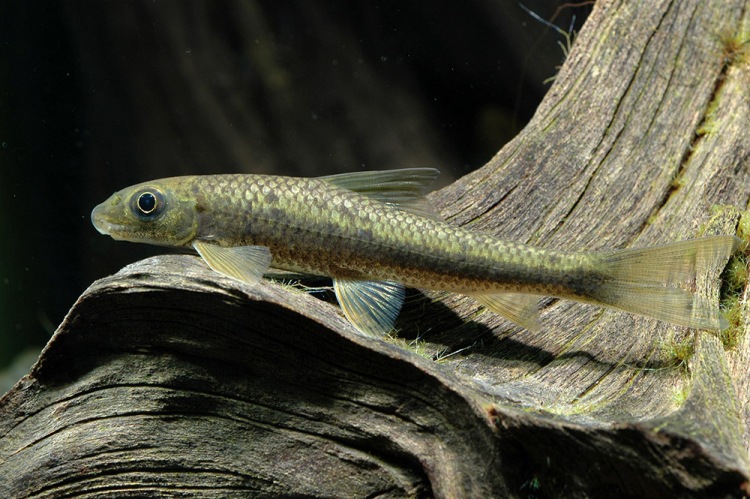
Crossocheilus latius
Hamilton, 1822
Max length150mm SL6in SLTank150 × 45cm60 × 18inTemp18–24°C64–75°FpH6.0–7.5C. latius isn't often available in the trade but makes an excellent alternative to more commonly-offered members of the genus should you be lucky enough to find some. Shipments of similar-looking Indian Garra species such as G. mullya or G. gotyla sometimes contain the odd specimen. It exhibits morphological differences when compared with other members of the genus and may be assigned to a separate taxon at some point in the future.
Ctenopoma weeksiiMottled Bushfish
authority not recorded
Max length100mm SL3.9in SLTanknot recordedTemp24–28°C75–82°FpH6.2–7.2There are currently 20 species of Ctenopoma, most of which most are seldom seen in the aquatic trade. Originally the genus was significantly larger, but a number of original members were reclassified by Norris in 1995. Whilst describing what were apparently two new Ctenopoma, he discovered sufficient morphological anomalies in the fish to erect a new genus for them. The name Microctenopoma was chosen, although this does not relate to the size of the fish. Similar defining characteristics were al...