Basin
Wu (Taiwan) basin
Only species with a profile on Seriously Fish are counted.
- Species
- 3
- Rivers
- 1
- Photographed
- 3 of 3
- Difficulty rated
- 3 of 3
Rivers in this basinspecies recorded from each
Runs through
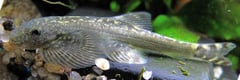
Hemimyzon formosanus
Balitoridae · (Boulenger, 1894)
Hemimyzon formosanus is a balitorid loach endemic to Taiwan, most abundant in rivers draining the western slopes of the Central Mountain Range. Current knowledge suggests it is the most widely distributed of the three Hemimyzon species endemic to the island. It lives in shallow, fast-flowing, highly oxygenated headwaters and needs clean, well-oxygenated water, a biologically mature tank with plenty of biofilm, and a tight cover since it can climb glass.
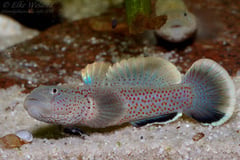
Rhinogobius rubromaculatusRed-spotted Goby
Gobiidae · Lee & Chang, 1996
The red-spotted goby, Rhinogobius rubromaculatus, is endemic to Taiwan and apparently quite common in central and western parts of the island. Fish from the Linbian river in the south are smaller, with larger and more intense red spots, and have been called R. rubromaculatus 'rot' or 'red' in the hobby, but they show only minor genetic differences. Among the less problematic members of the genus to breed, it can spawn year-round in aquaria.
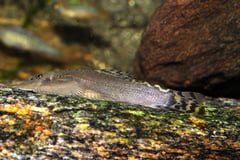
Sinogastromyzon puliensis
Balitoridae · Liang, 1974
Sinogastromyzon puliensis is a hillstream loach endemic to western river drainages of central and southern Taiwan. It is considered endangered across some of its range and has been protected by the Wildlife Conservation Act of Taiwan since 1989, and those in the trade appear to be collected and exported illegally. It lives in riffles and rapids with swift currents.