Megalechis thoracata
Spotted Hoplo
Last revised 2026Edit this page
On this page11 sections
Quick factsEdit
Difficulty6 of 8 measures
- Space
- large tank
- Water
- flexible
- Temp
- flexible
- Diet
- unknown
- Temperament
- peaceful
- Social
- unknown
- Compatibility
- fine with others
Other demands
Each of these can raise the rating on its own, whatever the measures above say.
- Hardiness
- hardy
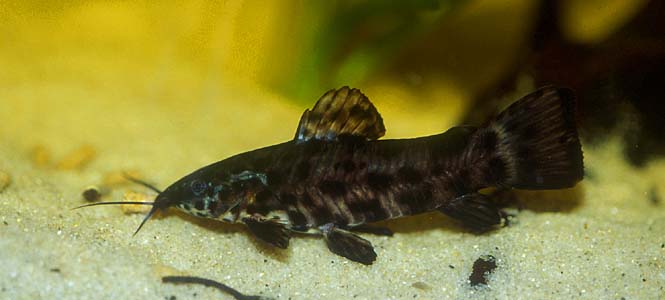
The spotted hoplo, Megalechis thoracata, is a callichthyid catfish widespread across northern South America, living primarily in still waters. Still widely referred to as Hoplosternum thoracatum, it can breathe atmospheric air, absorbing the oxygen through the intestine, and this lets it endure poor conditions in the wild. It is also eaten as a food fish in parts of South America.
Distribution
EditWidespread across northern South America
Habitat
Write a noteEditPrimarily still waters
Aquarium size
Write a noteEdit120 ∗ 38 ∗ 30 cm48 ∗ 15 ∗ 12 in - ~137 litres~36 US gal
Maintenance
Write a noteEditThe hoplo is not a particularly shy catfish but will still appreciate some cover in the form of rocks, plants and bogwood. Water flow should be slow or still, although the fish will adapt to stronger conditions. Sandy or fine gravel should be provided as the fish enjoys rooting through the substrate in search of food. Lighting is not critical and should be tailored to suit the plants used.
Water conditions
EditTemperature: 18 – 28 °C64 – 82 °F
pH: 6.0 - 8.0
Hardness: Up to 20°H
These recommendations come from this profile’s own figures. They contain affiliate links, so we may earn a commission.
Diet
Write a noteEditAccepts most commercially available foods. Live or frozen foods should also form part of the diet.
Behaviour and compatibility
Write a noteEditSexual dimorphism
Write a noteEditIn the male, the leading ray of the pectoral fins is thicker and orangey / yellow in colour. The male also develops a more colourful belly when inbreeding condition.
Reproduction
Write a noteEditBubblenester. The male builds the nest and it is helpful if floating plants are provided to stengthen this. The breeding tank should have very gentle filtration to avoid surface agitation which may destroy the nest. The female can be removed after spawning as the male will guard the nest and may show aggression towards the female.
Eggs hatch in around 48 hours and the fry are free swimming 3 - 4 days after this. It is a good idea to remove the male from the breeding tank at this point as, on occasion, they have been known to eat the fry. Fry should be fed newly hatched brineshrimp initally and progressed onto fry foods and crushed flake and pellets as they grow.
Breeding is fairly easy. As with most callicthyidae family, reluctant fish can be induced to spawn with a water change of cooler water.
Notes
EditStill widely referred to as hoplosternum thoracatum the hoplo cat is a popular and hardy fish. These fish have the ability to breathe atmospheric air by gulping down mouthfuls of air and the oxygen is then absorbed into the bloodstream through the intestine. This allows the fish to endure poor conditions in the wild but it can still be observed exhibiting this behaviour in captivity.
The hoplo is also eaten as a food fish in parts of South America.
Species images · 4
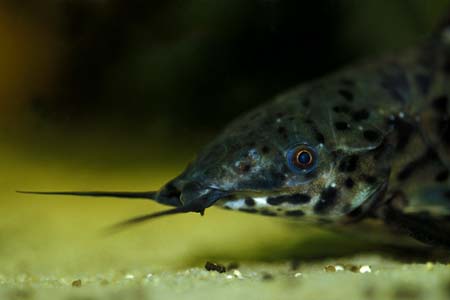
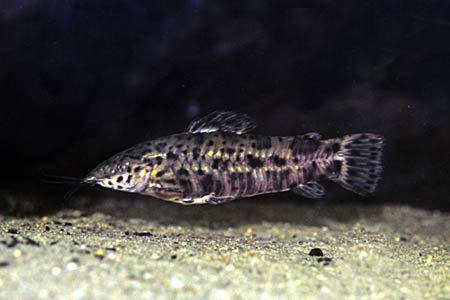
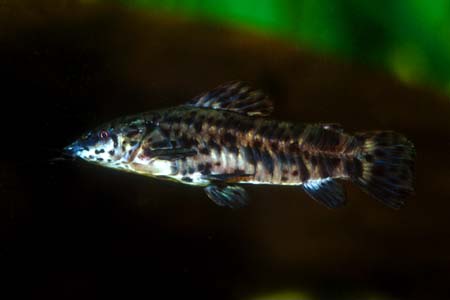
These photographs are used with each photographer’s permission.
Send a photographProfile completeness19 of 24
79% complete
Also missing: a recorded distribution, taxonomic authority, etymology.
Community
Questions about Megalechis thoracata?
Ask on Discord