Clarotes laticeps
Widehead Catfish
On this page11 sections
Quick facts
Difficulty3 of 8 measures
More bars, more demanding. Hardiness is not averaged with the rest.
- Space
- very large tank
- Water
- tap water
- Temp
- unfussy
- Diet
- unknown
- Temperament
- unknown
- Social
- unknown
- Compatibility
- unknown
Hardiness on its own can raise the rating, whatever the measures above say.
- Hardiness
- unknown
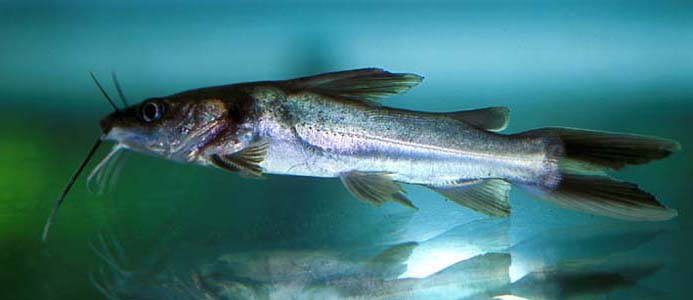
This is not a particularly common species in the trade, probably as it's not especially attractive to look at and grows very large. It's unsuitable for all but the biggest aquaria.
Distribution
Habitat
It inhabits large lakes and rivers.
Aquarium size
150 ∗ 60 ∗ 60 cm60 ∗ 24 ∗ 24 in - ~540 litres~143 US gal as a minimum for a subadult fish. This may need to be upgraded as the fish grows.
Maintenance
The choice of decor in the aquarium is not critical, particularly as this fish has a habitat of shifting any moveable items around with its sheer bulk. Large water-worn rocks and big chunks of bogwood are probably the best choices. It does like dim lighting, however, and a soft, sandy substrate is also preferable. Any plants added should be placed into heavy pots. The filter should be large and efficient as this cat produces a lot of waste.
Water conditions
Temperature: 20 – 26 °C68 – 79 °F
pH: 6.5-8.0
Hardness: 5-25°H
These recommendations come from this profile’s own figures. They contain affiliate links, so we may earn a commission.
Diet
Omnivorous and unfussy. Feed a varied diet including live, frozen and dried (pelleted) foods.
Behaviour and compatibility
This is a large and predatory species and tankmates must be chosen with care as it is capable of swallowing surprisingly large prey items. Try to ensure that tankmates are larger than the catfish in order to avoid any mishaps. In a suitably large tank, possible choices could include giant gouramis, arowana and large cyprinids.
Sexual dimorphism
Unknown.
Reproduction
There are no successful captive breeding reports for this species.
Notes
This is not a particularly common species in the trade, probably as it's not especially attractive to look at and grows very large. It's unsuitable for all but the biggest aquaria.
Species images · 1
Used with the photographer’s permission. Not licensed for reuse.
Profile completeness17 of 24
71% complete
Also missing: a recorded distribution, taxonomic authority, etymology.
Community
Questions about Clarotes laticeps?
Ask on Discord